


When it comes to upgrading your vehicle’s lighting system, the 3157 LED bulb has become one of the most popular choices among car enthusiasts, DIY mechanics, and everyday drivers alike. Whether you are replacing a burned-out turn signal, brake light, or reverse light, this versatile dual-filament bulb offers a seamless fit and dramatically improved visibility. But what exactly makes the 3157 LED bulb stand out from the crowded automotive lighting market? In this comprehensive guide, we will walk you through everything you need to know — from technical specifications and compatibility checks to installation tips, brand recommendations, and frequently asked questions. By the end, you will have all the information required to make a confident, informed purchase decision.
What Is a 3157 LED Bulb?
The 3157 LED bulb is a dual-filament automotive light bulb that belongs to the wedge-style base family. It is widely used in North American vehicles for turn signals, brake lights, tail lights, reverse lights, and even daytime running lights. The number “3157” refers to the specific bulb design and pin configuration established by the Society of Automotive Engineers (SAE). Unlike traditional incandescent bulbs that rely on a heated filament, LED versions use light-emitting diodes to produce illumination, resulting in significantly lower power consumption, faster response times, and a much longer operational lifespan.
One of the biggest advantages of the 3157 LED bulb is its dual-filament capability. This means the single bulb can serve two functions simultaneously — for example, acting as both a tail light and a brake light depending on the electrical circuit it is connected to. This makes it an incredibly efficient replacement option for vehicles that originally came equipped with incandescent 3157 bulbs.
Key Specifications and Features
Understanding the technical details behind the 3157 LED bulb helps you choose the right product for your specific application. Here are the core specifications and features you should be aware of:
Base Type and Compatibility
The 3157 bulb uses a wedge-style base with two metal contacts at the bottom. This plug-and-play design means you do not need any additional wiring adapters in most cases. The base is also shared with several related bulb types, including the 3156 (single filament), 3057 (dual filament, dimmer), and 4057 (high-candlepower dual filament). Always verify your vehicle’s owner manual or consult a bulb compatibility chart before purchasing.
Brightness and Lumen Output
Most 3157 LED bulbs on the market today deliver between 1,000 and 3,000 lumens per bulb, depending on the number of LEDs and the quality of the diode chips used. Premium models use Cree or Lumileds LED chips, which offer superior luminous efficacy, better color rendering, and more consistent beam patterns compared to budget alternatives.
Color Temperature Options
3157 LED bulbs are available in a range of color temperatures:
- 3000K (Warm Yellow/Amber): Closest to traditional incandescent light, ideal for turn signals and street-legal compliance.
- 4300K (Neutral White): A balanced, natural white light that offers excellent road visibility.
- 5000K (Cool White): A crisp, modern white that enhances the aesthetic look of your vehicle.
- 6000K+ (Ice Blue/ xenon): Produces a distinctive blue-tinted white look, though it may reduce peripheral visibility in fog or rain.
3157 LED Bulb vs 3156 vs 3057: Key Differences
It is easy to confuse the 3157 with similar bulb types. Understanding the differences ensures you buy the correct replacement and avoid compatibility issues.
| Feature | 3157 LED | 3156 LED | 3057 LED |
| Filament Type | Dual filament | Single filament | Dual filament |
| Base Design | Wedge, two contacts | Wedge, two contacts | Wedge, two contacts |
| Typical Use | Turn signal, brake, tail | Reverse light, license plate | Brake light, dimmer tail |
| Lumen Output (LED) | 1,500–3,000 lm | 1,000–2,500 lm | 1,000–2,200 lm |
| Voltage | 12V DC | 12V DC | 12V DC |
| Lifespan | 30,000–50,000 hours | 30,000–50,000 hours | 30,000–50,000 hours |
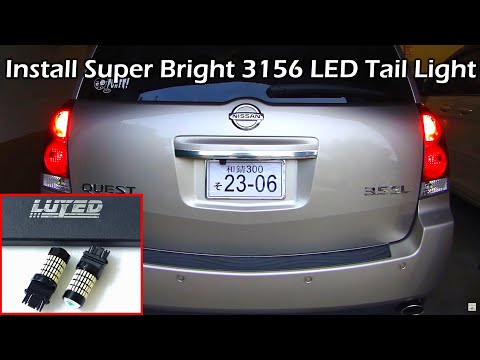
The critical distinction between the 3157 and 3057 lies in brightness and filament intensity. The 3157 is brighter and designed for brake and turn signal applications where high visibility is essential, while the 3057 is a dimmer variant suited for tail light duties. The 3156, on the other hand, is a single-filament bulb used in simpler lighting circuits.
Applications and Use Cases
The 3157 LED bulb is incredibly versatile and can be found in a wide range of automotive lighting applications:
- Turn Signal Lights: The dual-filament design allows the bulb to switch between dim (tail) and bright (signal) modes seamlessly, ensuring other drivers can clearly see your intentions.
- Brake Lights: LED bulbs respond nearly instantaneously compared to incandescent filaments, giving the driver behind you fractionally more reaction time — a meaningful safety improvement.
- Tail Lights and Running Lights: LED technology provides a clean, modern glow that enhances the overall appearance of your vehicle.
- Reverse Lights: The bright white output improves rear visibility when backing up, especially in low-light parking situations.
- Side Marker Lights: In some configurations, 3157 LED bulbs can also serve as side markers, adding an extra layer of visibility from the sides of the vehicle.
How to Choose the Right 3157 LED Bulb
Selecting the best 3157 LED bulb for your vehicle involves more than just picking the brightest option. Here are expert recommendations to guide your decision:
- Check CANBUS Compatibility: Many modern vehicles have CANBUS systems that monitor bulb health. Non-CANBUS-compatible LED bulbs may trigger error messages or hyper-flashing. Look for bulbs with built-in resistors or decoder modules.
- Prioritize Thermal Management: High-quality 3157 LED bulbs include aluminum heat sinks or passive cooling fins. Without proper heat dissipation, LEDs degrade faster and lose brightness over time.
- Verify Beam Pattern: A well-engineered LED bulb should produce a focused, even beam pattern that illuminates the road without blinding oncoming traffic. Cheap bulbs often scatter light unevenly.
- Consider Waterproof Rating: Since reverse lights and exterior brake lights are exposed to road debris, rain, and moisture, choose bulbs with at least an IP67 waterproof rating.
- Read Verified Reviews: Real-world user feedback is one of the best indicators of long-term reliability. Pay attention to comments about brightness consistency, compatibility, and durability.
Installation Tips and Compatibility Guide
Installing a 3157 LED bulb is one of the simplest automotive DIY projects you can undertake. Follow these steps for a safe and effective installation:
- Turn off the ignition and allow the existing bulb to cool completely before handling.
- Locate the bulb housing — typically found behind the tail light assembly. Remove any protective covers or clips as needed.
- Gently twist the old bulb counterclockwise and pull it straight out of the socket.
- Compare the base of the new 3157 LED bulb with the old one to confirm a match in size and pin configuration.
- Insert the new bulb into the socket and twist clockwise until it locks securely into place.
- Test all functions — turn signals, brake lights, tail lights, and reverse lights — before reassembling the housing.
Pro Tip: If your vehicle experiences hyper-flashing after installation, you may need to add a load resistor or replace the flasher relay with an LED-compatible unit. This is a common issue when upgrading from incandescent to LED bulbs because LEDs draw significantly less current.
Common Problems and Troubleshooting
Even the best 3157 LED bulbs can occasionally present challenges. Here are the most common issues and their solutions:
- Bulb flickers or dims: Usually caused by an incompatible CANBUS system. Adding a resistor or using a CANBUS decoder resolves this in most cases.
- Error message on the dashboard: The vehicle’s computer detects reduced current draw. Replace the flasher relay or install an LED-specific flasher module.
- Uneven light output: The LED chips may not be oriented correctly within the bulb housing. Try rotating the bulb 180 degrees in the socket.
- Overheating or premature failure: Cheap bulbs without adequate heat sinks will overheat. Invest in a premium brand with a proper thermal management design.
Conclusion
The 3157 LED bulb represents a significant upgrade over traditional incandescent automotive lighting. With its dual-filament versatility, exceptional brightness, energy efficiency, and impressive lifespan, it is no wonder that millions of drivers have made the switch. By understanding the specifications, verifying compatibility, and choosing a reputable brand, you can enjoy safer, brighter, and more stylish vehicle lighting for years to come. Whether you are a first-time car owner or a seasoned gearhead, the 3157 LED bulb is a smart investment that pays dividends in both performance and peace of mind.

Frequently Asked Questions
Can I use a 3157 LED bulb in a 3057 socket?
Yes, the 3157 and 3057 share the same wedge base and pin configuration, making them physically interchangeable. However, the 3157 is brighter than the 3057, so always confirm that the increased output does not violate any local regulations or cause glare for other drivers when used in tail light applications.
Are 3157 LED bulbs road legal in all states?
In most jurisdictions, 3157 LED bulbs are road legal when used as direct replacements for factory-installed bulbs. However, color temperature and brightness regulations vary by state. Amber and red wavelengths are generally accepted for turn signals and brake lights, while blue-tinted bulbs (6000K+) may not meet inspection requirements in some areas.
Do 3157 LED bulbs require a resistor or decoder?
Not all vehicles require a resistor. If your car has a traditional flasher relay and does not use a CANBUS monitoring system, the LED bulb should work without any additional components. However, modern vehicles with CANBUS systems or smart bulb monitoring often need a decoder or load resistor to prevent error messages and hyper-flashing.
How long does a 3157 LED bulb typically last?
A quality 3157 LED bulb can last between 30,000 and 50,000 hours, which translates to roughly 10 to 15 years of normal driving use. This is a dramatic improvement over incandescent bulbs, which typically last only 1,000 to 2,000 hours before burning out.
What is the difference between a 3156 and a 3157 LED bulb?
The primary difference is filament configuration. The 3156 is a single-filament bulb designed for one function, such as a reverse light or license plate light. The 3157 is a dual-filament bulb capable of performing two functions — typically a dimmer tail light and a brighter brake or turn signal — making it a more versatile and widely applicable option.
Why does my 3157 LED bulb hyper-flash after installation?
Hyper-flashing occurs because LED bulbs draw far less electrical current than traditional incandescent bulbs, and the vehicle’s flasher relay interprets this reduced draw as a burned-out bulb. The quickest fix is to replace the stock flasher relay with an electronic LED-compatible relay or to install a resistor inline with the bulb circuit.