


When most homeowners think about renovating their cooking space, they picture new countertops, updated cabinetry, or a fresh coat of paint. But one element that silently defines both the functionality and aesthetic appeal of any culinary workspace is the fixture kitchen. From the faucet that delivers crisp water to the pendant light that sets the mood for dinner, kitchen fixtures are the backbone of a well-designed home. Understanding what qualifies as a kitchen fixture, how to select the right ones, and how to maintain them can save you thousands of dollars and countless headaches down the road. Whether you are planning a full remodel or simply upgrading a few components, this comprehensive guide covers everything you need to know about kitchen fixtures in 2024 and beyond.
What Are Kitchen Fixtures and Why Do They Matter?
Kitchen fixtures refer to the permanent or semi-permanent hardware and fittings installed within a kitchen space. Unlike appliances such as refrigerators or ovens, which are often freestanding or semi-portable, kitchen fixtures are built into the structure or mounted permanently to serve essential daily functions. These include sinks, faucets, lighting units, cabinet handles, pull-out racks, dishwashers, and even integrated garbage disposals.
The importance of quality kitchen fixtures cannot be overstated. They influence water efficiency, energy consumption, safety, accessibility, and the overall visual coherence of your space. A poorly chosen faucet might leak within months, wasting water and increasing utility bills. Substandard lighting fixtures can make food preparation dangerous. And flimsy cabinet hardware can break under daily use, diminishing both convenience and property value.

Types of Kitchen Fixtures You Should Know

Not all kitchen fixtures are created equal. Each category serves a distinct purpose and comes with its own set of material options, design styles, and price ranges. Understanding these categories helps you make informed decisions whether you are building from scratch or refreshing an existing space.
Sink Fixtures
The kitchen sink is arguably the most heavily used fixture in any culinary workspace. Modern sink fixtures come in a wide variety of configurations:
- Undermount sinks — mounted beneath the countertop for a seamless, easy-to-clean surface
- Drop-in sinks — seated into a cutout in the countertop, offering simpler installation
- Farmhouse or apron-front sinks — a popular trend that extends over the countertop edge for a rustic, statement-making look
- Single-bowl and double-bowl designs — chosen based on workspace needs and dishwashing habits
Materials like stainless steel, composite granite, fireclay, and copper each offer different durability levels, heat resistance, and aesthetic profiles. Stainless steel remains the most popular choice for its affordability and resilience, while composite granite sinks are gaining traction for their scratch resistance and premium appearance.
Faucet Fixtures
Kitchen faucets have evolved dramatically over the past decade. Today’s options go far beyond the basic two-handle design:
- Single-handle faucets — offer streamlined operation and a modern look
- Two-handle faucets — provide precise temperature control and a classic aesthetic
- Pull-down and pull-out faucets — feature a spray head on a flexible hose for versatile cleaning
- Touchless or touch-operated faucets — use sensors or touch technology for hands-free operation
- High-arc and low-arc spouts — chosen based on sink depth and user height preferences
When selecting faucet fixtures, pay close attention to the finish. Chrome offers durability and easy cleaning, while matte black and brushed nickel are trending for contemporary kitchen designs. Oil-rubbed bronze remains a favorite for traditional or farmhouse-style spaces.
Lighting Fixtures
Proper lighting transforms a kitchen from a utilitarian room into a welcoming gathering space. Key lighting fixture categories include:
- Recessed ceiling lights — provide ambient, evenly distributed illumination
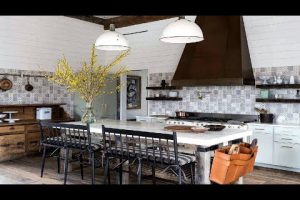
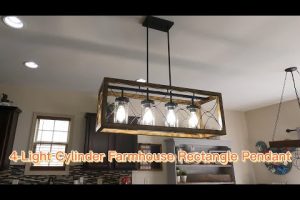
- Pendant lights — hang over islands or dining bars for focused task lighting and visual interest
- Under-cabinet LED strips — eliminate shadows on countertops during food preparation
- Track lighting — offers adjustable directional lighting for flexible layouts
- Sconces — add decorative accent lighting along walls or in breakfast nooks
LED technology has revolutionized kitchen lighting fixtures. These bulbs consume significantly less energy, last longer, and produce less heat than incandescent alternatives, making them the smart choice for any renovation project.
Cabinetry and Hardware Fixtures
The smaller details often make the biggest impact. Cabinet hardware includes pulls, knobs, hinges, and soft-close mechanisms that affect both the look and longevity of your cabinetry. Popular materials for cabinet fixtures include brass, stainless steel, bronze, ceramic, and glass. For a minimalist aesthetic, integrated push-to-open mechanisms eliminate visible hardware entirely, creating a clean, seamless cabinet front.
How to Choose the Right Kitchen Fixtures
Selecting kitchen fixtures involves balancing style, function, budget, and compatibility with your existing layout. Here are expert recommendations to guide your decision-making process:
- Define your kitchen style first. Whether you prefer modern minimalist, farmhouse, industrial, transitional, or traditional design, your fixtures should complement that vision consistently.
- Measure before you buy. Cabinet spacing, sink dimensions, countertop thickness, and ceiling height all dictate which fixtures will work in your space.
- Prioritize water and energy efficiency. Look for fixtures certified by WaterSense or Energy Star to reduce utility costs and environmental impact.
- Invest in quality over quantity. A single premium faucet will outperform and outlast three budget alternatives that need replacement every few years.
- Consider installation complexity. Some fixtures require professional plumbing or electrical work, which adds to the total cost. Factor this into your budget early.
Always request fixture specifications and warranty information before purchasing. Reputable brands offer extended warranties that reflect confidence in their product durability.
Top Materials and Brands for Kitchen Fixtures
The material of your kitchen fixtures directly impacts longevity, maintenance requirements, and visual appeal. Below is a comparison of the most common fixture materials and their characteristics.
| Material | Durability | Maintenance | Best For |
| Stainless Steel | High | Low — wipes clean easily | Sinks, faucets, hardware |
| Brass | Very High | Moderate — may tarnish | Faucets, cabinet pulls |
| Chrome | High | Low — resists corrosion | Faucets, lighting |
| Composite Granite | Very High | Low — scratch resistant | Sinks |
| Glass | Moderate | Moderate — fingerprints | Pendant lights, cabinet knobs |
| Ceramic | High | Low | Hardware, accent fixtures |
Leading brands in the kitchen fixture space include Moen, Delta, Kohler, Grohe, Hansgrohe, and Pfister for plumbing fixtures; Rejuvenation and Kichler for lighting; and Hafele and Blum for cabinetry hardware. Each brand offers different price tiers, so it is worth comparing models within a brand to find the best value for your specific needs.
Kitchen Fixture Installation Tips

While some fixture installations are manageable for experienced DIY enthusiasts, others require licensed professionals. Here is a practical breakdown:
- Faucet installation can typically be completed in one to two hours with basic tools. Always shut off the water supply before beginning and use plumber’s tape on threaded connections to prevent leaks.
- Sink replacement is moderately complex. Undermount sinks especially require careful support and sealant application to prevent water damage beneath the countertop.
- Lighting fixture installation may involve electrical wiring. If you are uncomfortable working with household circuits, hire a licensed electrician to ensure safety and code compliance.
- Cabinet hardware installation is straightforward but requires precise measuring. Use a template or jig to ensure all pulls and knobs are aligned perfectly.
Pro tip: Always keep the packaging and receipts of your fixtures until the installation is fully complete. Many manufacturers require proof of purchase for warranty claims, and having the original parts makes returns or exchanges seamless.
Kitchen Fixture Maintenance Guide
Even the highest-quality fixtures will degrade without proper care. A simple maintenance routine extends the lifespan of your investment significantly:
- Clean stainless steel fixtures with warm soapy water and a microfiber cloth. Avoid abrasive cleaners that scratch the surface and compromise the protective coating.
- Polish brass and bronze fixtures periodically with a dedicated metal polish to prevent tarnishing and maintain their luster.
- Descale faucet heads every three to six months by soaking them in white vinegar to remove mineral deposits that reduce water flow.
- Tighten loose cabinet hardware quarterly. Vibrations from daily use can gradually loosen screws, leading to wobbly handles or doors.
- Check lighting fixtures for flickering bulbs or loose connections, which can indicate wiring issues or simply a need for bulb replacement.
- Inspect sink seals annually. A slow leak beneath the basin can cause hidden water damage to cabinets and flooring if left unaddressed.
Conclusion
Kitchen fixtures are far more than decorative additions — they are the functional heart of your culinary space. From the sink and faucet that handle daily meal preparation to the lighting that sets the ambiance for entertaining, every fixture contributes to the efficiency, safety, and beauty of your kitchen. By understanding the types of fixtures available, choosing quality materials, hiring skilled installers when needed, and maintaining your fixtures properly, you ensure that your kitchen remains both beautiful and fully functional for years to come. Take the time to research, compare, and invest wisely, and your fixture kitchen will reward you with a superior living experience every single day.
Frequently Asked Questions About Kitchen Fixtures
What is the difference between a kitchen fixture and a kitchen appliance?
A kitchen fixture is a permanently or semi-permanently installed component such as a sink, faucet, light, or cabinet hardware. A kitchen appliance is a movable or semi-movable device like a refrigerator, oven, or dishwasher that performs a specific food preparation or storage function. Fixtures are integrated into the kitchen’s structure, while appliances can typically be unplugged and relocated.
How often should kitchen fixtures be replaced?
The lifespan varies by fixture type and material quality. Faucets typically last 15 to 20 years with proper maintenance. Lighting fixtures can last 20 to 30 years if the wiring remains intact. Cabinet hardware may need replacement every 10 to 15 years depending on usage frequency and material quality. Sinks made of stainless steel or composite granite often last 25 years or more.
What are the most budget-friendly kitchen fixture upgrades?
If you are working with a limited budget, cabinet hardware replacements and sink faucet upgrades offer the highest visual impact per dollar spent. Replacing old cabinet knobs and pulls with modern alternatives can completely transform the look of your kitchen for under $100. A mid-range faucet upgrade typically costs between $150 and $400 and dramatically improves both function and appearance.
Can I mix different fixture styles in my kitchen?
While consistency creates a cohesive design, mixing fixture styles can work if done intentionally. The key is to maintain a unifying element — such as a consistent finish (all matte black, all brass, or all chrome) or a shared design language (all angular, all rounded). Avoid mixing more than two or three distinct styles, as this can make the space feel chaotic rather than curated.
Are touchless kitchen faucets worth the investment?
Touchless faucets offer significant hygiene benefits and convenience, especially in households with young children or individuals with mobility limitations. They also reduce water waste by automatically shutting off when not in use. The initial cost is higher than traditional faucets, typically ranging from $200 to $600, but the long-term savings on water bills and the added functionality make them a worthwhile investment for many homeowners.