


When it comes to elevating the visual appeal and functionality of your dining space, few lighting choices deliver as much impact as a well-chosen dining room pendant light. Whether you are renovating an existing room or designing a new space from the ground up, the right pendant fixture can transform an ordinary dinner table into a stunning focal point. This guide covers everything you need to know about selecting, installing, and styling dining room pendant lights — from sizing and placement to bulb choices and trending designs. If you are serious about creating a warm, inviting atmosphere where family and guests love to gather, this article is your essential reference.
What Is a Dining Room Pendant Light?
A dining room pendant light is a single hanging fixture, typically suspended from the ceiling by a cord, chain, or rigid rod, that directs light downward onto the dining table or surrounding area. Unlike recessed cans or flush-mount fixtures, pendant lights drop into the room’s vertical space, creating a dramatic visual anchor. They come in an extraordinary range of materials — from hand-blown glass and hammered metal to woven rattan and polished brass — which means there is a style to match virtually every interior design aesthetic.
The beauty of a pendant light lies in its ability to combine task lighting with ambient decoration. When positioned correctly above a dining table, it provides even illumination for reading menus, enjoying meals, and engaging in conversation, all while serving as a striking design element that ties the room’s décor together.
Why Pendant Lights Are Perfect for Dining Spaces
There are several compelling reasons homeowners and interior designers reach for pendant lights in dining areas. Understanding these benefits helps you make a confident decision when shopping for fixtures.
Light Layering and Ambiance

One of the greatest advantages of using a pendant light over dining table is the ability to layer lighting effectively. A pendant provides focused downward light for the table surface, while complementary wall sconces or dimmable recessed lights handle ambient fill. This layered approach prevents harsh shadows and creates a cozy, restaurant-quality glow that encourages relaxed, extended meals.

Space-Saving Design
In open-concept dining areas or smaller apartments where floor space is precious, a single pendant light eliminates the need for a bulky chandelier or side-table lamps. It frees up surface area and keeps sight lines open, making the room feel larger and less cluttered.
Instant Focal Point
A thoughtfully selected pendant draws the eye immediately to the center of the room — the table. This focal-point effect gives your dining area a curated, intentional look rather than a scattered, unplanned feel.
Types of Dining Room Pendant Lights
The variety of dining room light fixtures available today can feel overwhelming, but grouping them by style and material makes the decision much simpler.
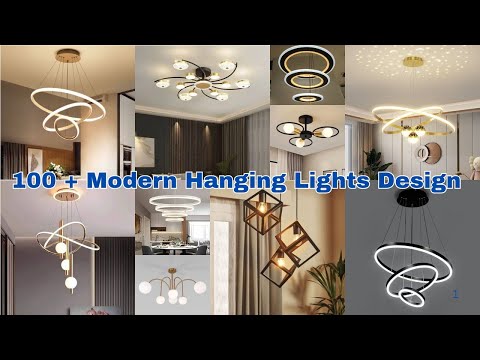
Modern and Minimalist Pendant Lights
Clean lines, geometric shapes, and monochromatic color palettes define modern dining pendants. Common materials include brushed nickel, matte black steel, frosted acrylic, and tempered glass. These fixtures pair beautifully with contemporary and Scandinavian-inspired interiors. Think of iconic designs like the Arco floor lamp-inspired pendants or cylindrical drum shades that cast soft, even pools of light across the table.
Rustic and Industrial Dining Room Pendant Lights
If your home features exposed brick, reclaimed wood, or metal beams, industrial-style pendants are a natural match. Black iron cages, Edison-bulb-compatible sockets, and oxidized copper finishes bring raw, textured character to rustic dining rooms. These fixtures often emphasize visible bulb filaments and utilitarian hardware, creating an earthy yet sophisticated atmosphere.
Traditional and Transitional Crystal and Glass Pendants
For formal dining rooms or classic interiors, crystal and multi-glass pendants remain timeless. These fixtures refract light beautifully, adding sparkle and depth to the room. Transitional styles blend traditional elegance with modern proportions, offering a versatile option that bridges traditional and contemporary décors seamlessly.
Organic and Natural Material Pendants
Rattan, wicker, jute, and bamboo pendants have surged in popularity as homeowners gravitate toward biophilic design. These fixtures introduce warmth and texture, making them ideal for boho, coastal, or tropical-inspired dining spaces.
How to Choose the Right Size Pendant Light for Your Dining Room
Sizing is arguably the most critical factor in pendant light selection. A fixture that is too small gets lost visually, while one that is too large overwhelms the space and interferes with conversation and movement.
- Measure Your Dining Table Width: Add the width and length of your table in feet, then convert that sum to inches to estimate the ideal fixture diameter. For example, a 6-foot by 3-foot table suggests a pendant roughly 9 inches in diameter.
- Apply the Diameter Rule of Thumb: The general guideline is that the pendant’s diameter (in inches) should be approximately half the table’s width (in feet). A 48-inch-wide table pairs well with a 24-inch-diameter fixture.
- Consider Ceiling Height: Standard mounting height places the bottom of the pendant 30 to 36 inches above the table surface. For ceilings higher than 9 feet, adjust by adding roughly 3 inches of hang length per additional foot of ceiling height.
- Account for the Number of Bulbs: Multi-light pendants (two, three, or even five bulbs) offer broader coverage for long farmhouse tables and allow you to use a slightly larger fixture without overwhelming the space.
Best Bulb Choices for Dining Room Pendants
The bulb you select inside your dining room pendant light dramatically influences the room’s mood and color rendering. Here is a quick breakdown of the top options:
- Warm LED Bulbs (2700K–3000K): These produce a soft golden glow that flatters skin tones and food, making them the most popular choice for dining rooms.
- Edison-Style Filament LEDs: Visually appealing exposed filaments add a vintage charm that complements rustic and industrial pendants beautifully.
- Dimmer-Compatible LEDs: Installing a dimmer switch gives you full control over brightness levels, transitioning from bright task lighting during dinner prep to a low, intimate ambiance during evening gatherings.
- High CRI (Color Rendering Index) Bulbs (90+ CRI): These bulbs render food colors accurately, which is especially important if you frequently host dinner parties or enjoy wine-and-cheese evenings.
Installation Tips and Placement Guidelines
While many pendant lights are designed for straightforward DIY installation, a few professional tips can make a significant difference in the final result.
- Always Turn Off the Circuit Breaker: Safety comes first. Confirm the power is off at the breaker box before touching any wiring.
- Use a Ceiling Support Brace for Heavy Fixtures: If your pendant weighs more than 50 pounds, install a fan-rated brace box between ceiling joists to bear the load securely.
- Center the Fixture Over the Table: For rectangular tables, center the pendant along the table’s long axis. For round tables, center it directly over the middle.
- Maintain Clearance: Ensure the fixture hangs at least 30 inches above the table surface to prevent head bumps and allow comfortable conversation across the table.
- Match Wire Color to Your Home’s Electrical System: Connect black wires to black, white to white, and green (or bare copper) to the grounding screw in the ceiling junction box.
Comparison Table: Popular Dining Room Pendant Light Styles
| Style | Best Suited For | Common Materials | Average Price Range | Key Advantage |
| Modern Minimalist | Contemporary and Scandinavian interiors | Brushed metal, frosted glass, acrylic | $80 – $300 | Clean lines and versatility |
| Industrial | Lofts, farmhouse, urban apartments | Iron, copper, exposed Edison bulbs | $60 – $250 | Rugged character and warmth |
| Traditional Crystal | Formal dining rooms, classic homes | Leaded crystal, brass, silk shades | $150 – $800 | Elegant light refraction |
| Organic / Natural | Boho, coastal, tropical themes | Rattan, bamboo, jute | $50 – $200 | Texture and organic warmth |
| Multi-Light Linear | Long tables, open-concept spaces | Metal, glass, fabric shades | $100 – $500 | Broad, even table coverage |
Frequently Asked Questions
1. How many dining room pendant lights do I need for a long table? The rule of thumb is one pendant for every 30 inches of table width, but for long tables, a linear multi-light fixture or a row of three evenly spaced pendants works best. Ensure each pendant is centered above a place setting for balanced illumination and visual symmetry.
2. Can I install a dining room pendant light on a sloped or vaulted ceiling? Yes. Many pendant fixtures come with adjustable-length chains or cords that accommodate sloped ceilings. For vaulted ceilings, look for pendants with a downrod or an adjustable canopy that allows you to position the fixture at the correct height above the table regardless of the ceiling angle.
3. What is the ideal wattage for a dining room pendant light? For LED bulbs, aim for a total output between 300 and 600 lumens per fixture for a standard dining table (seating four to six people). This produces roughly 50 to 100 lumens per square foot of table surface, which is the recommended range for comfortable task lighting without glare.
4. Are smart pendant lights worth the investment for dining rooms? Smart pendant lights that integrate with systems like Amazon Alexa, Google Home, or Apple HomeKit allow you to adjust brightness, change color temperature, and set scheduling or scene presets. For dining rooms, this means you can shift from bright white light for dinner prep to warm amber for a romantic evening with a simple voice command or tap on your phone.
5. What color temperature is best for a dining room pendant light? Warm white light, typically in the 2700K to 3000K range, is universally recommended for dining rooms. This color temperature mimics the glow of traditional incandescent bulbs, enhancing the rich colors of wood furniture, table linens, and food while creating an intimate, welcoming atmosphere that cool white or daylight bulbs simply cannot replicate.
Conclusion
Selecting the right dining room pendant light is one of the most rewarding decisions you can make for your home. It is a choice that marries form and function — delivering focused, flattering light exactly where you need it while serving as a design statement that reflects your personal taste. By paying attention to sizing, placement, bulb temperature, and style coordination, you can create a dining space that is both practical and visually stunning. Whether you gravitate toward sleek modern silhouettes, warm industrial finishes, or timeless crystal elegance, the perfect pendant light is out there waiting to transform your next dinner into an unforgettable experience.