



When it comes to transforming a farmhouse kitchen into the heart of the home, few design decisions carry as much visual and functional weight as lighting above the kitchen island. The right farmhouse kitchen island lighting does more than illuminate a workspace — it anchors the room’s aesthetic, sets the mood, and becomes the conversation piece guests naturally gravitate toward. Whether you are renovating a rustic country kitchen or designing a modern space with rustic charm, choosing the perfect light fixtures for your island requires thoughtful consideration of style, scale, placement, and bulb selection. This comprehensive guide walks you through everything you need to know, from the best fixture styles to expert installation tips that elevate your entire kitchen design.
Why Farmhouse Kitchen Island Lighting Matters
Lighting over a kitchen island serves a dual purpose: it provides essential task lighting for food preparation, casual dining, and conversation while simultaneously acting as a decorative focal point. In farmhouse-style interiors, the lighting fixture often reflects the home’s overall design language — think warm metals, distressed finishes, organic shapes, and timeless silhouettes. The wrong choice can leave an otherwise beautiful island feeling unfinished or visually disconnected from the rest of the room. Investing in the right farmhouse kitchen pendant lights or chandelier ensures your space feels cohesive, inviting, and deliberately designed.
Beyond aesthetics, proper island lighting impacts how you use your kitchen on a daily basis. Insufficient light over a prep area leads to eye strain and shadows on countertops, while overly bright or harsh fixtures can make a warm farmhouse space feel clinical. Striking the right balance between form and function is the key to success.
Top Lighting Styles for Farmhouse Kitchen Islands
Farmhouse kitchen design draws from a rich blend of rural European, American country, and modern rustic influences. This diversity means there is a surprisingly wide range of lighting styles that work beautifully above kitchen islands. Here are the most popular choices among homeowners and interior designers alike.
1. Farmhouse Pendant Lights

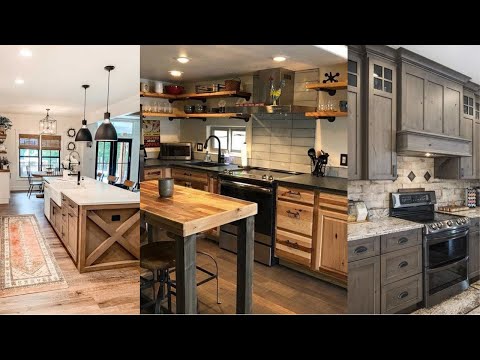
Pendant lights are arguably the single most popular choice for farmhouse island lighting. These single-fixture or multi-light arrangements hang from the ceiling on a cord, chain, or rod, directing light downward onto the island surface. Common farmhouse variations include:
- Wood-slat pendants — crafted from reclaimed timber or barn board, these bring warm texture and a distinctly rustic feel
- Metal drum pendants — featuring a cylindrical shade in black, brass, or antique bronze that casts a soft, diffused glow
- Wire cage pendants — inspired by industrial design but softened with warm finishes like oil-rubbed bronze or aged copper
- Tin shade pendants — reminiscent of traditional farmsteads and perfectly suited to country kitchens
2. Rustic Chandeliers
For larger islands or open-concept kitchen layouts, a rustic chandelier can serve as a dramatic centerpiece. Farmhouse chandeliers often feature multiple arms, candle-style bulbs, or woven rattan elements that add depth and visual interest. They work especially well in kitchens with high ceilings (nine feet or more) where the fixture has room to breathe without overwhelming the space.
3. Barn-Style Lights
Barn doors, as they are commonly called, are rectangular fixtures with a sliding or fixed panel that covers the bulb. These fixtures pay direct homage to agricultural architecture and are a staple of authentic farmhouse design. They come in wood, metal, and glass variations and pair beautifully with Edison-style filament bulbs.
4. Semi-Flush and Flush-Mount Fixtures

Not every farmhouse kitchen has ceiling clearance for hanging pendants. Semi-flush and flush-mount fixtures offer a low-profile alternative that still delivers warm, ambient light. Look for designs with distressed wood, antiqued metal, or woven rattan to maintain the farmhouse character.
How to Choose the Right Size and Scale
One of the most common mistakes homeowners make is selecting a light fixture that is too small or too large for their island. The general rule of thumb is that the fixture’s diameter should be approximately one-half to two-thirds the width of the island. For example, if your island is 48 inches wide, a pendant fixture measuring between 24 and 32 inches in diameter will create proper visual proportion.
For length, a multi-light linear chandelier or a row of small pendants works well on long islands — typically those exceeding 6 feet. A single oversized fixture suits islands under 4 feet wide. Always consider the ceiling height as well: the bottom of the fixture should hang approximately 30 to 36 inches above the island countertop for optimal task lighting and head clearance.
Lighting Types Compared for Farmhouse Kitchen Islands
Not all fixtures are created equal, and each type has distinct advantages depending on your kitchen’s layout, ceiling height, and design style. Use the comparison below to narrow down your options.
| Fixture Type | Best For | Ceiling Height Needed | Light Output | Farmhouse Aesthetic |
| Single Pendant | Small to medium islands (3–5 ft) | 8+ ft | Focused, directional | Warm, intimate |
| Multi-Light Linear Chandelier | Long islands (6+ ft) | 9+ ft | Even, broad coverage | Grand, statement-making |
| Barn Lights | Medium islands, low ceilings | 7+ ft | Soft, diffused | Authentic, rustic |
| Semi-Flush Mount | Low ceilings, small kitchens | 7+ ft | Ambient, general | Subtle, understated |
| Wood-Slat Pendant | Rustic or barn-style kitchens | 8+ ft | Warm, textured | Deeply rustic, organic |
Placement and Installation Best Practices
Where and how you install your farmhouse kitchen island lighting can make or break the design. Follow these proven guidelines to ensure your fixtures look and perform their best.
- Center the fixture over the island’s length. Even if the island is not centered in the room, the lighting should align with the island’s center axis for visual balance.
- Use multiple small pendants for long islands. Space them evenly, leaving roughly 12 to 18 inches between each fixture. This creates a rhythmic, gallery-like effect that looks intentional and polished.
- Consider dimmable LED bulbs. Dimmers let you transition from bright task lighting during meal prep to a soft, warm ambiance for evening entertaining. They also extend bulb life and reduce energy consumption.
- Match the finish to your kitchen hardware. If your cabinet pulls, faucet, and range hood are in brushed brass, choose pendant lights with a complementary brass or gold finish for a cohesive look.
- Install a dedicated circuit for island lighting. This ensures consistent performance and prevents circuit overload, especially when using multiple high-wattage fixtures.
Bulb Selection Tips
The bulb you choose dramatically affects the atmosphere of your farmhouse kitchen. Edison-style filament bulbs are a beloved choice because their warm glow and visible filament evoke a vintage, handcrafted feel. For brighter task lighting, opt for LED bulbs with a color temperature between 2700K and 3000K, which produce a warm white light that flatters wood tones and natural materials. Avoid bulbs above 4000K, as the cool, bluish light can make a farmhouse space feel sterile and uninviting.
Expert Tips for Choosing Farmhouse Kitchen Island Lighting
Interior designers who specialize in farmhouse and country kitchen renovations share a few insights that can elevate your lighting selection from good to exceptional.
- Layer your lighting. Combine pendant lights over the island with recessed cans in the ceiling and under-cabinet LED strips for a fully layered lighting plan that handles every task and mood.
- Embrace natural materials. Wood, rattan, linen, and woven fibers are hallmarks of farmhouse lighting. These organic textures create warmth that metal and glass alone cannot replicate.
- Think about the island’s purpose. If you use your island primarily for casual breakfast seating, a slightly lower-hanging fixture with softer light encourages relaxation. If it doubles as a prep station and homework area, prioritize brighter, more directional illumination.
- Do not underestimate the importance of the fixture’s backplate or canopy. In farmhouse design, the canopy is often visible and should complement the fixture rather than look like an afterthought. Decorative canopy rings in wrought iron or aged wood add a finishing touch.
Common Mistakes to Avoid
Even the most beautifully designed farmhouse kitchen can suffer from poor lighting choices. Here are pitfalls to watch for:
- Choosing a fixture solely based on looks without checking dimensions. A stunning pendant that is too small or too large will look out of place and throw off the room’s visual balance.
- Ignoring the kitchen’s natural light. Kitchens with large windows may need less overhead illumination during the day. Choose fixtures that complement rather than compete with natural daylight.
- Using a single bulb when multiple light sources would work better. A single globe pendant on a 6-foot island can leave the ends of the counter in shadow. Consider a two-light or three-light linear fixture instead.
- Mixing too many styles. While eclectic design has its place, combining industrial pipe pendants with ornate crystal chandeliers in the same kitchen often creates visual confusion. Stick to one dominant style and let the fixture be the star.
Conclusion
Farmhouse kitchen island lighting is one of the most impactful decisions you will make during a kitchen renovation or redesign. The right fixture — whether a rustic wood-slat pendant, a classic barn light, or a warm-toned linear chandelier — ties the entire room together, blending functionality with the organic warmth that defines farmhouse style. By paying attention to scale, placement, bulb temperature, and material finishes, you can create a kitchen island area that is both beautifully lit and deeply welcoming. Take your time selecting fixtures, layer your light sources, and trust that the right lighting will transform your kitchen from a simple cooking space into the true heart of your home.
Frequently Asked Questions
What is the best lighting for a farmhouse kitchen island with a low ceiling?
If your kitchen ceiling is under 8 feet, opt for semi-flush mount fixtures, small-scaled barn lights, or compact single pendants with short chains. These options provide adequate light without making the space feel cramped. Avoid large chandeliers or long linear fixtures that hang too low and can create a claustrophobic atmosphere.
How many pendant lights should I hang over my farmhouse kitchen island?
The number of pendants depends on your island’s length and the fixture size. For islands between 4 and 6 feet, a single large pendant or two small pendants spaced evenly works well. For islands over 6 feet, three to five smaller pendants arranged in a row create balanced illumination and a visually appealing rhythm. Always leave at least 12 inches of space between each fixture.
What color temperature is best for farmhouse kitchen island lighting?
Warm white bulbs in the range of 2700K to 3000K are ideal for farmhouse kitchens. This color temperature mimics the soft glow of traditional incandescent bulbs and enhances the warmth of wood surfaces, natural stone countertops, and metal finishes commonly found in farmhouse interiors. Avoid anything above 3500K, as cooler light temperatures can strip the inviting warmth from the space.
Can I use a rustic chandelier instead of pendants for my farmhouse kitchen island?
Absolutely. Rustic chandeliers work beautifully above farmhouse kitchen islands, especially when the island is long (7 feet or more) or the kitchen has high ceilings (9 feet or more). Choose a chandelier with a width that is one-half to two-thirds the island’s width, and ensure the bottom of the fixture hangs at least 30 inches above the countertop surface for comfortable use.
What materials are most authentic for farmhouse kitchen island lighting?
The most authentic materials include natural wood (especially reclaimed or weathered timber), wrought iron, aged or oil-rubbed bronze, rattan, linen or burlap shades, and tin. These materials reflect the rustic, handcrafted quality that defines farmhouse design and pair seamlessly with other natural elements found in farmhouse kitchens such as butcher block countertops, subway tile backsplashes, and open shelving.