


When it comes to transforming the ambiance and visual appeal of any interior space, decorative lighting fixtures stand at the absolute forefront of design strategy. Far beyond their basic function of illuminating a room, these carefully curated lighting elements serve as architectural accents, mood enhancers, and focal points that tie an entire décor scheme together. Whether you are renovating a cozy apartment, designing a boutique hotel lobby, or simply refreshing your living room, understanding the world of decorative light fixtures can make the difference between a house and a truly inviting home. This comprehensive guide explores every dimension of ornamental lighting, from the most popular fixture types to practical selection strategies, expert installation tips, and long-tail questions that homeowners frequently ask when diving into this rewarding aspect of interior design.
What Are Decorative Lighting Fixtures?
Decorative lighting fixtures refer to any light fitting that prioritizes aesthetic appeal alongside its functional illumination purpose. Unlike purely utilitarian lighting such as bare fluorescent tubes or basic recessed downlights, ornamental light fixtures incorporate artistic design elements — think sculptural shapes, handcrafted materials, intricate metalwork, and distinctive glass finishes. These fixtures exist at the intersection of art and engineering, where the goal is to produce a visually striking object that also delivers effective, well-distributed light. The category spans everything from grand crystal chandeliers that command attention above a dining table to minimalist LED sconces that whisper elegance along a hallway wall. The key characteristic that separates decorative lighting from standard fixtures is its role as a design statement piece within the broader interior composition.
Types of Decorative Lighting Fixtures You Should Know About
The decorative lighting market has expanded dramatically in recent years, offering homeowners and interior designers an extraordinary range of styles, materials, and technologies. Below are the most prominent categories that define this vibrant segment of the lighting industry.
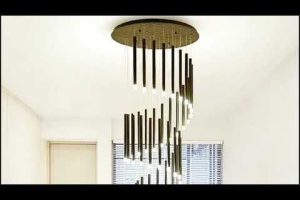
- Chandeliers and Pendants: These are perhaps the most iconic decorative light fixtures. Chandeliers feature multi-armed branched designs often adorned with crystals, beads, or fabric shades, while pendant lights hang from a single cord or rod and typically showcase a more streamlined, sculptural silhouette.
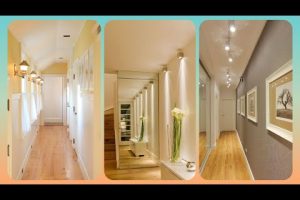
- Sconces and Wall-Mounted Lights: Wall-mounted decorative fixtures provide indirect or directional lighting and are ideal for hallways, bathrooms, and accent walls. They come in styles ranging from antique brass candle-look sconces to contemporary geometric shapes.
- Table Lamps and Floor Lamps: Freestanding ornamental lamps add portable, flexible lighting to living rooms, bedrooms, and home offices. Their bases and shades offer endless opportunities for material experimentation — from ceramic and marble to tempered glass and woven rattan.
- Track Lighting and Accent Fixtures: While often functional, track-based decorative systems allow you to spotlight artwork, architectural details, or textured walls, blending illumination with interior storytelling.
- LED Strip and Cove Lighting: These modern decorative solutions hide light sources behind architectural features, creating a soft, ambient glow that emphasizes spatial depth and volume.
Chandeliers and Pendants in Detail
When most people picture decorative lighting fixtures, chandeliers immediately come to mind. Traditional crystal chandeliers have graced palaces and grand foyers for centuries, but today’s market has evolved to include rustic wood-and-iron farmhouse chandeliers, mid-century brass designs, and ultra-modern geometric pendants crafted from acrylic or brushed steel. The right pendant or chandelier becomes the gravitational center of a room, anchoring the seating area below it and establishing the room’s design language before a single piece of furniture is chosen.
Sconces and Wall-Mounted Lights
Wall-mounted decorative fixtures are incredibly versatile. In a bedroom, flanking sconces on either side of the bed eliminate the need for harsh overhead light and create a warm, intimate reading environment. In commercial hospitality settings, designer sconces add layers of depth and sophistication to entryways and corridors. The beauty of ornamental wall lights lies in their ability to draw the eye upward, accentuating ceiling height and drawing attention to architectural features like crown molding or exposed brick.
How to Choose the Right Decorative Lighting Fixtures for Your Space
Selecting the perfect ornamental lighting requires more than simply picking a style you like. Several critical factors influence how well a fixture performs and integrates into your living environment.
- Consider the Room’s Purpose and Mood: A kitchen pendant should deliver task-oriented brightness, while a bedroom chandelier should create a soft, calming atmosphere. Match the light fixture’s output to the room’s functional needs.
- Align with Your Interior Design Style: Whether your home embraces Scandinavian minimalism, industrial loft aesthetics, or classic traditional elegance, there is a decorative lighting fixture designed to complement that visual language.
- Pay Attention to Scale and Proportion: A tiny wall lamp on a vast entryway looks lost, just as an oversized chandelier in a small bathroom feels overwhelming. Measure your space and choose fixtures that maintain proper visual balance.
- Evaluate Material and Finish Coordination: The finish of your lighting — whether polished nickel, matte black, antique gold, or brushed brass — should echo other metal elements in the room, such as door handles, cabinet pulls, and furniture legs.
Matching Fixtures to Your Room’s Style

One of the most common mistakes homeowners make is mixing incompatible design eras. A sleek, futuristic LED pendant will clash with a room decorated in Victorian-era furnishings. Conversely, an ornate wrought-iron chandelier in a ultra-modern loft can feel jarring and out of place. The best approach is to identify the dominant design language of each room and select decorative light fixtures that either match it precisely or complement it with a deliberate contrast. When in doubt, stick to neutral finishes and timeless silhouettes, which transition seamlessly across design trends.
Sizing and Proportion Guidelines
A widely respected rule of thumb for chandeliers is to add the room’s length and width in feet, then convert that sum to inches to determine the ideal fixture diameter. For example, a room measuring 12 feet by 16 feet should accommodate a chandelier approximately 28 inches wide. For pendants over dining tables, the fixture width should be roughly one-third to one-half the table’s width, and the bottom of the fixture should hang about 30 to 36 inches above the table surface. Following these proportion guidelines ensures that your decorative lighting fixtures enhance rather than overwhelm the space.

Decorative Lighting Fixtures: Modern vs. Traditional Styles
Understanding the difference between contemporary and classic decorative fixtures helps buyers make informed decisions aligned with their aesthetic goals.
| Feature | Modern Decorative Fixtures | Traditional Decorative Fixtures |
| Common Materials | Brushed metal, acrylic, concrete, LED-integrated glass | Crystal, brass, bronze, fabric shades, hand-blown glass |
| Design Language | Clean lines, geometric forms, minimal ornamentation | Curved profiles, layered details, ornate finishes |
| Lighting Technology | LED-based, dimmable smart systems | Incandescent or LED bulbs in classic filament styles |
| Best Suited For | Contemporary lofts, minimalist interiors, urban apartments | Classic homes, formal dining rooms, heritage properties |
| Price Range | Budget-friendly to mid-range; smart fixtures cost more | Mid-range to luxury; handcrafted pieces command premium prices |
Expert Tips for Installing and Maintaining Decorative Light Fixtures
Even the most beautiful ornamental light fixture will underperform if installed incorrectly or neglected over time. Here is what seasoned interior designers and electricians recommend to get the most from your investment.
- Always Hire a Licensed Electrician for Hardwired Installations: Decorative fixtures — especially heavy chandeliers — require proper electrical boxes rated for the fixture’s weight. Ceiling-mounted pieces can weigh 50 pounds or more, and using an inadequate support box poses a serious safety hazard.
- Use Dimmers to Maximize Versatility: Installing a dimmer switch allows you to adjust the ambiance from bright task lighting for entertaining to a soft, moody glow for quiet evenings at home.
- Clean Fixtures Regularly: Dust and grime accumulate on ornamental surfaces, dimming light output and dulling visual appeal. Crystal elements should be cleaned with a gentle glass solution and a microfiber cloth at least once every three months.
- Check Bulb Compatibility: Always verify the maximum wattage and bulb type recommended by the fixture manufacturer. Using bulbs that exceed the rated wattage can cause overheating and reduce the fixture’s lifespan.
- Layer Your Lighting: No single decorative fixture should do all the work. Combine overhead ornamental lights with ambient floor lamps, task-oriented under-cabinet lights, and accent wall sconces to create a richly layered lighting scheme that feels intentional and polished.
Why Decorative Lighting Fixtures Are Worth the Investment
Some homeowners hesitate to invest in high-quality ornamental lighting because they view it as an unnecessary expense. However, the return on investment extends far beyond aesthetics. A well-chosen decorative fixture instantly elevates perceived property value, creates memorable first impressions in any entryway or living space, and establishes the emotional tone of every room it inhabits. Interior designers consistently rank lighting as one of the most impactful — and cost-effective — tools for achieving a cohesive, professionally styled interior. Unlike paint colors or furniture, which age and trend quickly, a timeless decorative light fixture can anchor a room’s design for decades, adapting to changing décor through simple accessories and soft furnishings.
Frequently Asked Questions

What are decorative lighting fixtures used for?
Decorative lighting fixtures serve the dual purpose of providing illumination and enhancing the visual character of a space. They function as design accents that establish mood, highlight architectural features, and reinforce the overall interior style of a room or building. Unlike purely functional fixtures, ornamental lights are selected with aesthetic intent, making them essential components of thoughtful interior design schemes in both residential and commercial settings.
How do I choose the right size decorative light fixture for my room?
The most reliable sizing method involves adding the room’s length and width in feet, then converting that sum to inches to determine the ideal fixture diameter. For pendants hung over tables, aim for a fixture width that is one-third to one-half the table’s width. Additionally, ensure the fixture hangs at the appropriate height — typically 30 to 36 inches above a dining surface and at least seven feet above the floor in general living areas. These proportion guidelines help your decorative lighting fixtures integrate harmoniously with the surrounding space rather than feeling oversized or lost.
Can I use LED bulbs in traditional decorative fixtures?
Absolutely. Modern LED bulbs are available in a wide range of shapes, color temperatures, and filament styles that replicate the warm glow of traditional incandescent bulbs. Many decorative fixtures today come pre-wired with LED-compatible sockets, and retrofitting existing pieces with LED bulbs is a straightforward upgrade. LED technology offers significant advantages, including lower energy consumption, dramatically longer bulb lifespan, reduced heat output, and compatibility with smart dimming systems. When selecting LED bulbs for ornamental fixtures, pay attention to color temperature — warm whites between 2700K and 3000K tend to complement most decorative designs beautifully.
What is the difference between decorative lighting and ambient lighting?
The distinction lies primarily in intent and design emphasis. Ambient lighting refers to the general, overall illumination of a room — often achieved through ceiling-mounted fixtures, recessed cans, or natural daylight. Decorative lighting, on the other hand, prioritizes visual impact and aesthetic contribution alongside its illumination role. While many decorative fixtures also produce ambient light, the reverse is not always true. A basic recessed downlight provides ambient light but lacks the ornamental design elements that define a decorative lighting fixture. In practice, the best interior lighting designs blend both categories, using decorative pieces to elevate ambient schemes into something visually compelling and emotionally engaging.
How often should I clean my decorative lighting fixtures?
As a general rule, decorative light fixtures should be cleaned at least once every three months to maintain optimal light output and visual appeal. Fixtures in high-traffic areas, kitchens, or spaces prone to cooking grease may require more frequent cleaning. Crystal chandeliers benefit from a gentle glass cleaner and a soft microfiber cloth, while fabric-shaded fixtures should be dusted with a soft-bristle brush to avoid damaging the material. Metal and glass fixtures can typically be wiped down with a damp cloth and a mild, non-abrasive cleaner. Regular maintenance not only keeps your ornamental lighting looking its best but also extends the fixture’s longevity by preventing corrosive buildup on metal components and electrical connections.
Conclusion
Decorative lighting fixtures represent far more than a simple illumination solution — they are foundational design elements that shape how we experience, feel, and navigate the spaces we inhabit. From the grandeur of a multi-tiered crystal chandelier to the quiet sophistication of a hand-blown glass sconce, ornamental lighting transforms ordinary rooms into extraordinary environments. By understanding the range of fixture types, applying thoughtful selection criteria, and maintaining your pieces with care, you can build a lighting scheme that is both visually stunning and functionally excellent. Whether you are a first-time homeowner exploring decorative options or an experienced designer refining a commercial project, investing in high-quality ornamental light fixtures will always deliver dividends in beauty, ambiance, and lasting interior value.