


Decor lighting is one of the most impactful yet underrated elements in interior design. Unlike standard overhead fixtures that simply brighten a room, decorative lighting transforms the mood, highlights architectural details, and brings personality to any living space. Whether you are redesigning your entire home or simply upgrading a few fixtures, understanding how to layer decorative lighting can elevate your interior from ordinary to extraordinary. In this comprehensive guide, we explore everything from the fundamentals of decor lighting to advanced techniques that professional interior designers swear by.
What Is Decor Lighting and Why It Matters
Decor lighting refers to light fixtures and illumination strategies chosen primarily for their aesthetic and atmospheric value rather than purely functional brightness. Think of statement chandeliers, sculptural pendant lights, LED accent strips, and vintage table lamps — each serving a dual purpose of lighting and visual enhancement. The goal is to create layers of light that add depth, warmth, and character to a room.
The Role of Decorative Lighting in Modern Interiors
Modern interior design increasingly treats lighting as a design element rather than an afterthought. Decorative lighting fixtures act as focal points, conversation starters, and even architectural accents. A well-placed wall sconce can draw the eye to a gallery wall, while a dimmable LED strip behind a headboard can create a soft, ambient glow that transforms the feel of a bedroom at night.
Decor lighting also plays a critical role in defining zones within open-plan spaces. By using different fixture styles and light temperatures, you can visually separate a living area from a dining nook without building walls. This zoning technique is especially popular in studio apartments and loft-style homes.
How Decor Lighting Differs from Functional Lighting
Functional lighting — such as recessed ceiling lights or bright under-cabinet kitchen LEDs — is designed to illuminate tasks and spaces efficiently. Decor lighting, on the other hand, prioritizes visual appeal and atmosphere. The two often work together, but understanding the distinction helps you make better purchasing decisions.
Here is a simple way to think about it: functional lighting answers the question “Can I see?” while decorative lighting answers “How does this space feel?”
- Functional lighting: Task-oriented, bright, uniform, practical
- Decor lighting: Aesthetic-driven, mood-enhancing, layered, expressive
Types of Decor Lighting Solutions
Pendant Lights and Chandeliers
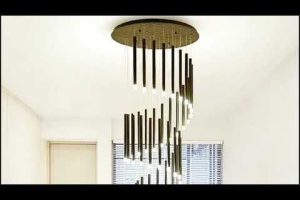
Pendant lights and chandeliers remain the most popular choices for decorative overhead lighting. Modern pendants come in an extraordinary range of materials — from hand-blown glass and matte brass to woven rattan and minimalist concrete. Chandeliers have evolved far beyond crystal-and-candle designs; today you will find sculptural, organic, and geometric styles that double as standalone art pieces.
When selecting a pendant or chandelier, consider the scale of your room and ceiling height. A fixture that is too large can overwhelm a small space, while a tiny chandelier in a large dining room will look lost and underwhelming.
LED Strip Lighting and Accent Fixtures

LED strip lighting has revolutionized decor lighting in recent years. These flexible, adhesive-backed light strips can be installed behind furniture, under kitchen cabinets, along staircases, or inside display cabinets. They create a subtle, atmospheric glow that is impossible to achieve with traditional fixtures.
Accent lighting fixtures — such as picture lights, track heads, and directional spotlights — are designed to highlight specific objects or architectural features. A strategically placed accent light can make a textured stone wall pop or draw attention to a piece of statement artwork.
Wall Sconces and Table Lamps
Wall sconces are incredibly versatile decor lighting options that free up surface space while adding warmth and visual interest to walls. They are ideal for hallways, bedrooms, bathrooms, and entryways. Modern sconces range from sleek metallic designs to ornate fabric-shaded styles that evoke classic elegance.
Table lamps remain a staple of decorative lighting. They provide intimate, localized light perfect for reading, working, or simply creating a cozy corner. The beauty of table lamps lies in their variety — from ceramic and marble bases to sculptural forms in unexpected shapes and colors.
Smart and Color-Changing Decor Lights
The rise of smart home technology has introduced a new category of decor lighting: color-changing and app-controlled fixtures. Smart bulbs, LED strips, and even decorative lamps can now be adjusted for color temperature, brightness, and even color hue through smartphone apps or voice assistants like Alexa and Google Home.
This technology allows homeowners to shift the mood of a room instantly — warm white for a cozy evening, cool blue for a focused work session, or soft pastels for a dinner party atmosphere.
Choosing the Right Decor Lighting for Every Room
Living Room Lighting Ideas
The living room is typically the most social and visually prominent space in a home, making it the perfect candidate for a mix of decor lighting layers. Start with a statement overhead fixture — a sculptural pendant or a modern chandelier — as your anchor piece. Then supplement with floor lamps in corners, table lamps on sideboards, and accent lights highlighting artwork or architectural features.

For a warm and inviting atmosphere, aim for light temperatures between 2700K and 3000K. This soft, golden tone mimics natural candlelight and makes every space feel more welcoming.
Bedroom Decor Lighting Tips
Bedroom decor lighting should prioritize relaxation and intimacy. Avoid harsh overhead lights and instead opt for layered sources: a dimmable wall sconce on each side of the bed, a soft-glowing table lamp on the nightstand, and possibly LED strip lighting behind the headboard for a dreamy ambient effect.
Consider installing smart bulbs with sunset modes that gradually dim the lights in the evening, helping your body naturally transition toward sleep. This is a small investment that delivers outsized benefits for both ambiance and well-being.
Kitchen and Dining Area Illumination
In kitchens, decorative lighting often takes the form of pendant clusters hung over islands or dining bars. These fixtures serve as visual anchors while providing targeted task light for food preparation and casual dining. In dining rooms, a single dramatic chandelier or a row of matching pendants above the table creates an elegant centerpiece.
For kitchens with a modern aesthetic, consider LED tape lighting beneath upper cabinets. It provides functional task lighting while adding a sleek, contemporary glow that complements minimalist cabinetry.
Decor Lighting Trends for 2024 and Beyond
The decor lighting landscape is evolving rapidly. Current trends include organic shapes inspired by nature, matte black and brass finishes, oversized sculptural fixtures, and sustainable materials like recycled glass and responsibly sourced wood. Biophilic design principles are driving demand for lighting that mimics natural sunlight patterns, with tunable white fixtures that adjust throughout the day.
Another notable trend is the integration of lighting into furniture itself — embedded drawer lights, illuminated shelves, and backlit mirrors that blur the line between fixture and furnishing. These hybrid solutions are particularly popular in compact urban apartments where every element needs to earn its space.
Comparison: Popular Decor Lighting Types
| Lighting Type | Best Room | Vibe | Budget Range |
| Chandelier | Dining Room | Elegant, Formal | Mid to High |
| Pendant Light | Kitchen, Dining | Modern, Focused | Low to High |
| Wall Sconce | Bedroom, Hallway | Warm, Layered | Low to Mid |
| LED Strip | Any (Accent) | Contemporary, Minimal | Low |
| Smart Bulb Fixture | Any Room | Tech-Forward, Versatile | Low to Mid |
| Table Lamp | Living Room, Office | Cozy, Classic | Low to High |
Expert Tips for Layering Decorative Lighting
Professional interior designers rarely rely on a single light source. Instead, they build layers of decor lighting that work together to create a cohesive and dynamic atmosphere. Here are some expert-backed tips:
- Start with ambient lighting. This is your base layer — soft, overall illumination that fills the room. A dimmable ceiling fixture or recessed lights work well here.
- Add task lighting. Focus light where you need it most: reading nooks, kitchen counters, home office desks, and vanity mirrors.
- Incorporate accent lighting. Use directional spotlights, picture lights, or LED strips to highlight textures, artwork, and architectural details.
- Use dimmers everywhere. Dimmer switches give you complete control over mood and allow the same fixture to serve multiple purposes throughout the day.
- Mix light temperatures intentionally. Combine warm tones (2700K) for living areas with slightly cooler tones (3500K-4000K) for workspaces, but avoid mixing temperatures within the same zone.
- Pay attention to fixture placement. Hang pendants 30-36 inches above dining tables, position sconces at eye level or slightly above, and place floor lamps beside seating areas for optimal balance.
Common Mistakes to Avoid with Decor Lighting
Even the most beautifully designed rooms can fall flat with poor lighting choices. Avoid these common pitfalls: using only one overhead light source for an entire room, selecting fixtures that are too small for the space, ignoring color temperature consistency, and forgetting to consider how natural daylight interacts with artificial light throughout the day. Taking the time to plan your decor lighting layout before purchasing fixtures will save you both money and frustration.
Frequently Asked Questions
What is the best decor lighting for small apartments? For small apartments, LED strip lights, wall-mounted sconces, and compact pendant fixtures are ideal because they save floor and surface space while still adding visual interest and ambient glow. Multi-functional pieces like illuminated mirrors or backlit shelves are also excellent space-saving solutions.
How do I choose the right color temperature for decor lighting? For living areas and bedrooms, warm white light (2700K-3000K) creates a cozy, inviting atmosphere. For kitchens and home offices, neutral white (3500K-4000K) provides better clarity and focus. Always consider the room’s natural light exposure — north-facing rooms benefit from warmer tones, while south-facing rooms can handle cooler temperatures.
Can decor lighting help reduce energy costs? Absolutely. Switching to LED-based decorative lighting fixtures can reduce energy consumption by up to 75% compared to traditional incandescent bulbs. Additionally, using dimmers and smart controls allows you to use only the light you need, further reducing electricity usage without sacrificing style.
What is the ideal height for hanging a decorative pendant light? For dining tables, hang the pendant 30-36 inches above the table surface. In living areas with standard 8-foot ceilings, a pendant should hang approximately 12-20 inches below the ceiling to maintain proper proportions and avoid obstructing sightlines.
How many light sources should a room have for good decor lighting? As a general rule, aim for at least three light sources per room — one ambient, one task, and one accent. This layering approach ensures the space is well-lit for all activities while maintaining visual depth and visual interest throughout the day and evening.
Are smart decor lights worth the investment? Smart decor lighting offers significant advantages in convenience, energy efficiency, and mood customization. The ability to schedule lighting scenes, adjust color temperatures, and integrate with existing smart home ecosystems makes these fixtures a worthwhile investment for anyone who values both aesthetics and modern functionality.
Final Thoughts
Decor lighting is far more than a practical necessity — it is a powerful design tool that shapes how we experience and feel about the spaces we inhabit. By understanding the different types of decorative lighting, mastering the art of layering, and staying informed about current trends, you can create interiors that are not only beautiful but also functional and deeply personal. Start with one or two statement pieces, experiment with placement and dimming, and watch as your home transforms into a space that truly reflects your style and personality.