Custom lighting fixtures have become one of the most sought-after design solutions for homeowners, architects, and interior designers who refuse to settle for mass-produced options that barely fit their spaces. Whether you are renovating a heritage property, designing a boutique hotel, or building a contemporary residence from the ground up, off-the-shelf lighting rarely delivers the precision, character, and atmosphere you envision. Custom lighting fixtures bridge the gap between function and artistry, allowing you to sculpt light itself into something that complements your unique environment. This guide dives deep into what makes bespoke lighting solutions worth the investment, the design process involved, material considerations, and the practical steps you need to take to bring your lighting vision to life.
What Are Custom Lighting Fixtures?
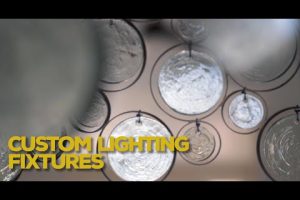
Custom lighting fixtures are purpose-built luminaires designed and manufactured to meet the specific aesthetic, spatial, and functional requirements of a particular project or environment. Unlike standard fixtures found in big-box retail stores, these bespoke pieces are conceived from scratch or heavily modified to match exact dimensions, stylistic preferences, and performance criteria. They can range from a hand-crafted bronze chandelier tailored to a vaulted cathedral ceiling to a minimalist LED track system engineered for a modern gallery wall.
The beauty of custom lighting lies in its flexibility. You control every variable — the bulb type, the finish, the beam angle, the scale, the material palette, and even the wiring configuration. This level of personalization ensures that your lighting does not merely illuminate a room but actively enhances its architecture, mood, and usability.
Why Custom Lighting Fixtures Matter for Modern Spaces
Mass-produced lighting has its place, but it comes with significant limitations. Standard fixtures are designed for the broadest possible audience, which means they often compromise on proportions, finishes, light quality, and integration with unique architectural features. Here is why investing in bespoke solutions makes a measurable difference:
- Architectural Harmony: Custom fixtures can be scaled precisely to match ceiling heights, room proportions, and structural elements like exposed beams or vaulted soffits.
- Unique Aesthetic Identity: Your lighting becomes a defining design element rather than a generic afterthought. It tells a story and reinforces the overall design language of a space.
- Performance Optimization: Bespoke fixtures can be engineered for specific lux levels, color temperatures, and beam spreads that off-the-shelf products simply cannot replicate.
- Material and Finish Flexibility: From brushed brass to hand-blown glass, custom manufacturing opens up virtually unlimited material and finish choices.
- Integration with Smart Systems: Custom fixtures can be pre-wired for smart dimming, color-tuning, and occupancy-based controls from the factory stage.
Tailoring Light to Your Architecture
One of the most overlooked advantages of bespoke lighting is its ability to work in concert with existing architecture. A custom linear pendant can follow the curve of a sweeping staircase. Recessed adjustable fixtures can be angled to wash a textured stone accent wall with precisely calibrated light. When your lighting is designed for the space rather than adapted to it, the results are seamless and dramatically more impactful.
Types of Custom Lighting Fixtures
The custom lighting landscape spans a wide spectrum of categories, each serving distinct purposes and design philosophies. Understanding these types helps you communicate your vision more effectively with designers and manufacturers.
Architectural Custom Lighting
Architectural lighting fixtures are integrated into the building structure itself. Think cove lighting profiles cast from aluminum extrusion, custom wall-wash luminaires embedded in plaster cavities, or bespoke stair-riser LED channels. These fixtures are often invisible when unlit and reveal their magic only when powered on, creating an ethereal, layered lighting effect that elevates architectural detail.
Decorative and Statement Custom Lights
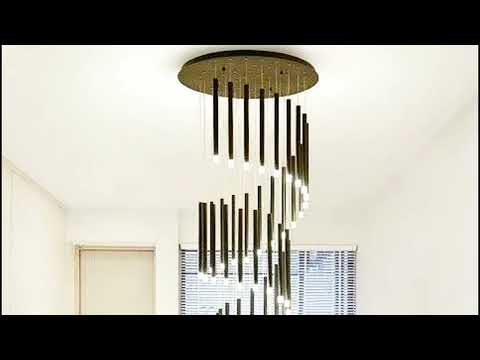
For spaces that demand a focal point, decorative custom fixtures deliver unmatched visual impact. Hand-forged iron chandeliers, sculptural pendant clusters, and artisan-crafted sconces fall into this category. These pieces are often one-of-a-kind or produced in very limited runs, making them conversation starters and genuine works of functional art.
Task and Accent Custom Lighting
In kitchens, home offices, retail displays, and museum galleries, task-oriented custom fixtures provide targeted illumination where it matters most. Custom under-cabinet LED modules, adjustable picture lights, and specialized display case spotlights are all examples of how bespoke design solves precise lighting challenges that generic products cannot address effectively.
Materials and Design Considerations
Selecting the right materials is arguably the most critical decision when commissioning custom lighting fixtures. The material determines not only the visual character but also the durability, heat dissipation, and maintenance requirements of the fixture.
Choosing the Right Materials
Here is a breakdown of the most popular materials used in bespoke lighting fabrication and their ideal applications:
- Brushed Brass and Bronze: Warm, timeless finishes ideal for traditional and transitional interiors. Brass develops a natural patina over time, adding character.
- Powder-Coated Steel: Durable and versatile, available in virtually any RAL color. Excellent for modern and industrial-style interiors.
- Hand-Blown or Cast Glass: Adds organic texture and light diffusion. Perfect for decorative pendants and sconces where a soft glow is desired.
- Machined Aluminum: Lightweight, corrosion-resistant, and ideal for architectural cove lighting and linear fixtures requiring precise heat management.
- Natural Stone or Concrete: Increasingly popular for outdoor and high-end residential applications, offering an earthy, sculptural quality.
When selecting materials, always consider the environment. Outdoor custom fixtures demand weather-resistant finishes and IP-rated housings, while humid spaces like bathrooms and steam rooms require corrosion-proof materials such as marine-grade stainless steel or sealed composites.
Custom Lighting Fixtures: Residential vs Commercial Applications
The requirements for bespoke lighting differ significantly between residential and commercial projects. Understanding these differences ensures you design fixtures that perform optimally in their intended setting.
| Criteria | Residential Custom Lighting | Commercial Custom Lighting |
| Primary Focus | Ambiance, personal style, comfort | Uniformity, compliance, brand identity |
| Typical Scale | Small to medium fixtures, often statement pieces | Larger systems, multiple coordinated fixtures |
| Control Systems | Smart home integration, dimming, scenes | Centralized building management systems, daylight harvesting |
| Regulatory Considerations | Local electrical codes | Occupancy codes, energy compliance (ASHRAE, LEED) |
| Budget Range | $500–$15,000 per fixture | $2,000–$50,000+ per fixture or system |
| Lead Time | 4–12 weeks | 8–20 weeks due to complexity and compliance testing |
Commercial projects also require documentation that residential installations do not, including photometric reports, UL listings, and energy compliance certificates. Working with a manufacturer experienced in both sectors ensures smoother project execution across the board.
The Custom Lighting Design Process
Commissioning bespoke lighting follows a structured process that transforms an initial concept into a fully functional, installation-ready fixture. Understanding each stage helps you set realistic expectations and ensures a collaborative, efficient workflow.
- Discovery and Brief: You share your vision, reference images, room dimensions, architectural drawings, and performance requirements with your designer or manufacturer.
- Concept Development: The design team produces sketches, 3D renderings, or material swatches that translate your brief into a tangible form. This stage typically involves two to three revision rounds.
- Prototyping: A functional prototype or scale model is built to verify proportions, light output, and aesthetic quality before committing to full production.
- Manufacturing and Quality Control: The final fixture is fabricated, assembled, and tested for electrical safety, thermal performance, and finish durability.
- Installation and Commissioning: A qualified electrician installs the fixture, and the lighting is fine-tuned — dimming levels, aiming angles, and control programming are calibrated on-site.
Expert Tips for Getting the Most Out of Custom Lighting
Drawing from years of industry experience, here are actionable recommendations that separate a good custom lighting outcome from a truly exceptional one:

- Start with a lighting plan: Before designing fixtures, create a comprehensive lighting layout that maps out layers — ambient, task, accent, and decorative — for every room.
- Specify color temperature intentionally: Warm whites (2700K–3000K) suit living spaces and hospitality, while cooler temperatures (3500K–4000K) work better for task-heavy environments.
- Invest in quality LED modules: Custom fixtures should use high-CRI (Color Rendering Index) LEDs with a rating of 90 or above to ensure colors appear natural and vibrant.
- Plan for dimming from day one: Even if you do not plan to use dimmers immediately, wiring for future dimming capability saves significant retrofit costs later.
- Request photometric data: For fixtures that serve a functional purpose, ask for IES files or photometric reports that document the light distribution pattern.
Cost Considerations and Budget Planning
Custom lighting fixtures carry a premium over off-the-shelf alternatives, and understanding the cost drivers helps you allocate your budget wisely. The price of a bespoke fixture is influenced by material selection, complexity of design, production volume, finish quality, and the manufacturer’s expertise. Simple custom sconces might start around $500, while elaborate multi-tier chandeliers or architectural cove systems can range into the tens of thousands of dollars. The key is to view custom lighting not as a cost but as a long-term investment in the value, comfort, and visual identity of your space.
To manage costs effectively, prioritize which rooms or areas deserve the most attention — often the entryway, kitchen, and primary living spaces deliver the highest return on investment in terms of daily impact and perceived property value.
Conclusion
Custom lighting fixtures represent the pinnacle of interior lighting design, offering an unmatched combination of personalization, performance, and visual impact. From the initial concept conversation to the final installation, the process of creating bespoke luminaires is a collaborative journey that transforms ordinary spaces into extraordinary environments. Whether you are drawn to the warmth of hand-finished metal, the clarity of precision-engineered LED systems, or the sculptural beauty of artisan glass, custom lighting gives you the tools to bring your exact vision to life. The investment is significant, but the results — in atmosphere, functionality, and lasting value — are extraordinary.
Frequently Asked Questions
How long does it take to design and produce a custom lighting fixture?
Typical lead times range from 4 to 12 weeks for residential custom fixtures and 8 to 20 weeks for commercial projects. The timeline depends on design complexity, material sourcing, and the manufacturer’s production schedule. Rush orders are sometimes possible but may incur additional fees.
Are custom lighting fixtures more expensive than off-the-shelf options?

Yes, custom fixtures generally cost more due to specialized design labor, unique materials, and lower production volumes. However, the price reflects superior craftsmanship, precise fit, optimized performance, and a lifespan that often exceeds that of mass-produced alternatives.
Can I modify an existing fixture design to create a custom version?
Absolutely. Many manufacturers offer design modification services where you can adapt an existing fixture line by changing dimensions, finishes, bulb types, or mounting configurations. This approach can reduce costs compared to designing from a completely blank canvas.
What certifications should I look for in a custom lighting manufacturer?
Look for manufacturers with UL, ETL, or CSA certifications for electrical safety, and ensure their products comply with local building codes. For commercial projects, ENERGY STAR certification and DLC (DesignLights Consortium) listing are valuable indicators of quality and energy compliance.
How do I find a reputable custom lighting designer or manufacturer?
Start by reviewing portfolios of completed projects, checking references from past clients, and verifying industry credentials such as membership in the Illuminating Engineering Society (IES) or the International Association of Lighting Designers (IALD). Requesting detailed project timelines and transparent pricing also helps you identify trustworthy partners.