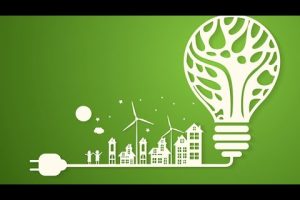



Energy conservation methods have become one of the most critical topics in modern sustainability discussions. Whether you are a homeowner looking to cut utility bills, a facility manager overseeing large commercial operations, or simply someone who cares about reducing their environmental footprint, understanding how to conserve energy effectively can transform the way you live and work. This comprehensive guide dives deep into proven energy conservation techniques across all experience levels, from foundational daily habits to advanced building-scale optimization strategies. You will discover actionable steps, expert insights, and practical recommendations that go far beyond generic advice.
What Is Energy Conservation and Why Does It Matter?
Energy conservation refers to the practice of reducing total energy consumption through efficient use, behavioral changes, and smart technology adoption. It is distinct from energy efficiency, though the two concepts overlap significantly. While energy efficiency focuses on using less energy to perform the same task, energy conservation encompasses the broader discipline of actively choosing to use less energy overall. The importance of energy conservation cannot be overstated. Lowering demand reduces strain on power grids, decreases greenhouse gas emissions, and helps communities build resilience against energy price volatility. In residential settings alone, implementing effective energy-saving measures can reduce household electricity use by 20 to 40 percent, translating into substantial cost savings and environmental benefits.
Energy Conservation Methods for Beginners
Simple Daily Habits That Deliver Immediate Results
If you are just starting your energy conservation journey, the good news is that many of the most impactful changes require zero investment. These beginner-level methods focus on behavioral adjustments and low-effort modifications anyone can adopt today.
- Turn off lights and unplug devices when they are not in use. Phantom loads from idle electronics can account for up to 10 percent of a home’s electricity bill.
- Switch to LED lighting throughout your home. LED bulbs consume roughly 75 percent less energy than traditional incandescent bulbs and last significantly longer.
- Use natural daylight whenever possible during daytime hours, reducing reliance on artificial lighting.
- Wash clothes in cold water and air-dry when feasible. Water heating accounts for a large share of residential energy consumption.
- Adjust your thermostat by just two degrees — cooler in winter and warmer in summer — to see meaningful savings without sacrificing comfort.
- Seal drafts around windows and doors using weatherstripping or simple caulk, a quick fix that prevents conditioned air from escaping.
- Run dishwashers and washing machines with full loads to maximize the energy used per cycle.

These foundational steps create a strong baseline for energy reduction. While each individual action may seem small, their cumulative effect over weeks and months is genuinely significant. Experts recommend treating these habits as non-negotiable routines rather than occasional efforts.
Intermediate Energy Conservation Strategies
Home Insulation and Weatherization Techniques
Once you have established efficient daily habits, the next level of energy conservation involves improving the physical envelope of your home or workspace. Insulation and weatherization address the structural causes of energy waste, often delivering savings that behavioral changes alone cannot achieve.
- Upgrade attic and wall insulation to meet or exceed local building code recommendations. Proper insulation reduces heat transfer, keeping interiors warmer in winter and cooler in summer.
- Install double or triple-pane windows with low-emissivity coatings. These windows significantly reduce heat loss compared to single-pane alternatives.
- Insulate hot water pipes to minimize heat loss during distribution, allowing water heaters to work less frequently.
- Use thermal curtains or cellular shades on south-facing and north-facing windows to regulate indoor temperatures seasonally.
- Conduct a professional energy audit to identify specific leaks, inefficiencies, and opportunities for improvement tailored to your property.
Smart Energy Management Systems
Intermediate-level conservation also embraces technology. Smart thermostats, energy monitoring systems, and automated lighting controls allow users to manage consumption with precision. Devices like the Nest Learning Thermostat or Ecobee adapt to your schedule, automatically adjusting temperatures when you are away and optimizing heating and cooling cycles for maximum efficiency.

Smart power strips eliminate phantom loads by cutting power to devices in standby mode. Whole-home energy monitors provide real-time data on electricity usage, helping you identify which appliances and systems consume the most power and where conservation efforts should be concentrated. These tools transform energy management from guesswork into a data-driven process.
Advanced Energy Conservation Techniques
Renewable Energy Integration and On-Site Generation
For those ready to take energy conservation to the next level, renewable energy systems represent the pinnacle of sustainable power management. Solar photovoltaic panels, small wind turbines, and geothermal heat pumps allow property owners to generate clean energy on-site, dramatically reducing dependence on grid electricity and fossil fuels.
Solar energy systems have become increasingly affordable, with residential installations dropping in cost by over 70 percent in the last decade. Pairing solar panels with battery storage systems like the Tesla Powerwall enables homeowners to store excess energy for use during peak hours or outages, further maximizing conservation benefits.
Geothermal heat pumps leverage the stable underground temperature to provide heating and cooling with remarkably high efficiency. These systems can reduce HVAC energy consumption by 30 to 60 percent compared to conventional approaches.
Building-Scale Energy Optimization
For commercial buildings and large facilities, advanced conservation methods include building automation systems (BAS), demand response programs, and heat recovery ventilation. These systems coordinate HVAC, lighting, and appliance operations across an entire building, using sensors and algorithms to minimize waste while maintaining optimal conditions.
Heat recovery ventilation (HRV) systems capture thermal energy from exhaust air and transfer it to incoming fresh air, reducing the energy needed for both heating and cooling. Variable frequency drives (VFDs) on motors and pumps allow equipment to operate at partial capacity when full power is unnecessary, slashing energy waste significantly.
Comparison of Popular Energy Conservation Methods
The table below compares common energy conservation approaches by cost, complexity, potential savings, and ease of implementation.
| Method | Difficulty Level | Upfront Cost | Est. Annual Savings | Payback Period |
| Switch to LED lighting | Easy | Low | 5–10% of lighting bill | 6–12 months |
| Smart thermostat installation | Easy | Low–Medium | 10–15% of HVAC bill | 1–2 years |
| Home insulation upgrade | Moderate | Medium–High | 15–25% of total energy | 2–5 years |
| Solar panel installation | Advanced | High | 40–70% of electricity bill | 5–10 years |
| Building automation system | Advanced | High | 20–30% of total energy | 3–7 years |
| Geothermal heat pump | Advanced | Very High | 30–60% of HVAC costs | 5–10 years |
| Sealing air leaks | Easy | Low | 5–15% of heating/cooling | Immediate |
This comparison illustrates a clear pattern: simple, low-cost interventions like LED lighting and air leak sealing deliver fast returns, while higher-investment technologies like solar panels and geothermal systems offer greater long-term savings and environmental impact over their lifespan.
Expert Tips for Maximizing Your Energy Savings
Drawing from years of experience in the energy management field, here are some expert-level recommendations that elevate your conservation efforts beyond the basics:
- Monitor your energy data regularly. Review monthly utility bills and real-time monitor readings to track trends, identify anomalies, and measure the impact of every change you make.
- Time your energy use strategically. Many utility companies offer time-of-use pricing. Shifting heavy loads like laundry and dishwashing to off-peak hours reduces both cost and grid strain.
- Prioritize HVAC maintenance. Dirty filters, refrigerant leaks, and miscalibrated thermostats cause systems to consume 15 to 25 percent more energy than properly maintained units.
- Combine conservation with efficiency. The most successful energy strategies pair behavioral changes with efficient technology. For example, using a smart thermostat alongside proper insulation creates a compounding effect on savings.
- Engage your community. Neighborhood energy challenges, shared solar programs, and community weatherization initiatives amplify individual efforts and create lasting cultural shifts toward conservation.
Frequently Asked Questions About Energy Conservation Methods
What is the single most effective energy conservation method for homes? Improving home insulation and sealing air leaks consistently ranks as the single most impactful residential energy conservation method. It addresses the root cause of energy waste by preventing heated or cooled air from escaping, reducing HVAC runtime significantly.
How much energy can an average household save with conservation methods? Studies show that households implementing a combination of behavioral changes, smart technology, and structural improvements can reduce total energy consumption by 30 to 50 percent, depending on the starting baseline and climate zone.
Are energy conservation methods expensive to implement? Many conservation methods are low-cost or free, especially at the beginner level. LED bulb replacements, thermostat adjustments, and air leak sealing require minimal investment. Even advanced options like solar panels have become increasingly affordable with available rebates, tax credits, and financing options.
What is the difference between energy conservation and energy efficiency? Energy conservation involves actively reducing energy use through behavior changes and reduced consumption, while energy efficiency focuses on using advanced technology to accomplish the same tasks with less energy. Both approaches complement each other and deliver the best results when combined.
Can businesses benefit from energy conservation methods? Absolutely. Commercial buildings that adopt energy management systems, LED retrofits, HVAC optimization, and demand response strategies routinely achieve 20 to 40 percent reductions in energy costs while improving operational reliability and indoor comfort for occupants.
What long-term benefits do energy conservation methods provide beyond cost savings? Beyond lower utility bills, energy conservation reduces carbon emissions, decreases dependence on fossil fuels, improves grid stability, extends the lifespan of electrical infrastructure, and contributes to healthier indoor environments by reducing pollution and maintaining more consistent temperatures.
Conclusion
Energy conservation methods span a wide spectrum, from effortless daily habits to sophisticated building-level technologies. The key to success lies in adopting a layered approach: start with simple behavioral changes, layer in smart technology and weatherization improvements, and eventually consider renewable energy generation and advanced automation. Every step you take contributes to a more sustainable future, lower energy costs, and a reduced environmental footprint. The most effective energy conservation strategy is the one you begin today and sustain over time. Whether you are a complete beginner or a seasoned facility manager, there is always a next level of savings waiting to be unlocked through informed, deliberate action.