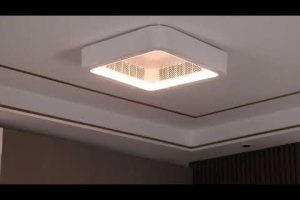
When it comes to transforming a room’s comfort, aesthetics, and functionality, few home improvements deliver as much impact as upgrading to a ceiling fan with lights. Whether you are renovating a living room, bedroom, or even a covered outdoor patio, a combined fan and light fixture solves two essential needs in a single, elegant package. But with so many styles, motor types, blade configurations, and lighting technologies available today, choosing the right one can feel overwhelming. This guide walks you through everything you need to know—from understanding the key features and benefits to making a confident purchase decision that fits your space and budget perfectly.
Why Choose a Ceiling Fan with Lights?
A ceiling fan with an integrated light fixture offers several advantages that go far beyond simple air circulation. Combining these two functions into one unit saves both space and money while enhancing the overall ambiance of any room.
Space-Saving Design
In smaller bedrooms, condos, or apartments, wall-mounted lamps and standalone fixtures can consume precious surface area. A ceiling fan with built-in lighting eliminates the need for multiple fixtures, keeping your room clutter-free and visually streamlined. This makes it an especially smart choice for modern bedroom ceiling fans and compact living room designs where every inch matters.
Energy Efficiency
Modern ceiling fans use significantly less electricity than traditional air conditioning systems. When paired with LED light kits—which consume a fraction of the energy of incandescent bulbs—the total energy savings can be substantial over time. Many contemporary models carry Energy Star certification, meaning they meet strict efficiency guidelines set by the EPA.
Enhanced Room Ambiance
Beyond practical benefits, a fan-light combo allows you to control both airflow and lighting mood from a single point. Dimmer switches, multiple light modes, and warm color temperatures let you shift a room from bright and productive to soft and relaxing in seconds.
Types of Ceiling Fans with Lights
Not all ceiling fans are created equal. Understanding the different categories helps you narrow down options based on your room size, ceiling height, and personal style.
Traditional Ceiling Fans with Lights
These feature a standard flush or downrod mount with classic blade designs—often four or five blades made of wood, metal, or composite materials. They work well in formal dining rooms and living areas where a timeless look is desired. Most traditional models come with a light kit that uses a pull chain or wall switch for operation.
Modern and Contemporary Fans

Sleek, minimalist, and often featuring fewer blades or even blade-less designs, modern ceiling fans with lights lean into clean lines and innovative materials like brushed nickel, matte black, and tempered glass. These are ideal for loft apartments, minimalist bedrooms, and open-concept living spaces.
Outdoor and Wet-Rated Fans with Lights
Designed to withstand moisture and humidity, wet-rated and damp-rated fans are built for porches, covered patios, sunrooms, and even bathrooms. They include weather-resistant motors and sealed light housings. When shopping for outdoor options, always confirm the UL wet rating or damp rating to ensure safety and longevity.
Reversible Ceiling Fans with Lights
One of the most valuable features in any ceiling fan is the reverse switch. In summer, the blades rotate counterclockwise to create a cool downdraft. In winter, switching to clockwise rotation pulls cool air up and pushes warm air down along the walls. This dual functionality makes reversible fans a year-round investment in comfort.
Key Features to Consider Before Buying
Not every ceiling fan with lights is worth your money. Here are the critical features that separate a quality unit from a mediocre one:
- Motor Type: Ball bearing motors run quieter and last longer than sleeve-bearing motors. Look for DC motors if you want whisper-quiet operation and maximum energy savings—DC fans use up to 70% less electricity than AC motor models.
- Blade Size and Material: Match blade diameter to room size. For rooms up to 100 square feet, choose 29-36 inches; for 100-225 square feet, go with 36-42 inches; for 225-400 square feet, 44-50 inches is ideal. Wooden blades offer a warm aesthetic, while composite and metal blades resist humidity better.
- Lighting Technology: LED light kits have become the industry standard. They last up to 50,000 hours, produce minimal heat, and are available in various color temperatures from warm white (2700K) to cool daylight (5000K).
- Control Options: Remote controls, wall-mounted dimmers, and even smart home integration via Wi-Fi or Zigbee protocols give you flexible command over both fan speed and light brightness.
- Noise Level: Quality fans operate at or below 30 decibels on their lowest setting. Check the CFM (cubic feet per minute) per watt rating to gauge efficiency alongside quietness.
Installation Tips and Safety Considerations
Installing a ceiling fan with lights is a project that many handy homeowners can tackle themselves, but it requires careful attention to electrical wiring and structural support.

- Check the Electrical Box: Standard light fixtures use thin electrical boxes that cannot support a fan’s weight and vibration. Always install a fan-rated electrical box anchored directly to a ceiling joist or a support brace.
- Verify Ceiling Height: For optimal airflow, the blades should be at least 7 feet from the floor. In rooms with 8-foot ceilings, a flush-mount or hugger design works best. For higher ceilings, use a downrod to position the fan at the proper height.
- Wire Connections: Ensure you have both a hot wire and a neutral wire in your ceiling box. Most modern fans with lights require a separate ground wire as well. If you are unsure, hire a licensed electrician.
- Weight Limits: The combined weight of the fan motor, blades, and light fixture must not exceed the rated capacity of your electrical box. Always check manufacturer specifications before installation.
Comparison: Top Ceiling Fan with Lights Categories
| Category | Best For | Blade Count | Light Type | Price Range |
| Traditional | Formal rooms, classic decor | 4-5 blades | Incandescent or LED | $80-$250 |
| Modern/Contemporary | Minimalist spaces, lofts | 3-5 blades | LED, dimmable | $100-$400 |
| Outdoor/Wet-Rated | Porches, patios, bathrooms | 4-5 blades | Sealed LED | $120-$350 |
| DC Motor Smart Fans | Energy savings, smart homes | 3-5 blades | LED with app control | $200-$600 |
Maintenance and Care Tips
A well-maintained ceiling fan with lights performs better, lasts longer, and looks more appealing. Follow these simple maintenance steps:
- Dust the Blades Monthly: Use a microfiber cloth or a pillowcase to wipe each blade. Dust buildup creates imbalance and reduces airflow efficiency.
- Tighten Hardware Every 6 Months: Vibration over time can loosen blade brackets, light fixtures, and mounting hardware. A quick tightening session prevents wobbling and noise.
- Clean the Light Kit Quarterly: Remove the glass or plastic light cover and wipe it with a mild glass cleaner. For LED fixtures, avoid abrasive cleaners that can scratch the lens.
- Lubricate the Motor Annually (if applicable): Some models with oil ports require a few drops of electric motor oil once per year. Check your owner’s manual.
- Inspect Wiring Connections: Every couple of years, turn off the power and check that all wire nuts and connections remain secure inside the canopy.
Common Mistakes to Avoid When Purchasing
Buying a ceiling fan with lights is a significant investment, and several common pitfalls can lead to buyer’s remorse:
- Choosing the Wrong Size: An oversized fan in a small room feels oppressive, while an undersized fan in a large room fails to circulate air effectively. Always measure your room square footage and ceiling height before buying.
- Ignoring the Noise Rating: A fan that hums or rattles can disrupt sleep and concentration. Prioritize models with quiet motor technology and ball bearings.
- Skipping the Dimmer Compatibility: Not all LED light kits work with standard dimmer switches. Purchase a dimmer-rated LED kit or check compatibility before installation.
- Overlooking Style Cohesion: Your fan should complement your room’s existing décor. A rustic wooden fan in a modern minimalist space can clash, while a sleek metal fan in a traditional room may feel out of place.
Conclusion
A ceiling fan with lights remains one of the most practical and stylish home upgrades you can make. From saving energy and improving air circulation to elevating your room’s design, the right fan-light combination delivers value that extends far beyond the initial purchase. By understanding the different types, focusing on essential features like motor quality and LED efficiency, and following proper installation and maintenance practices, you can enjoy years of reliable, beautiful performance in any room of your home. Take your time, compare options, and invest in a unit that matches both your functional needs and your aesthetic vision.
Frequently Asked Questions
Can I install a ceiling fan with lights in a room with a low ceiling?

Yes. For rooms with ceilings under 8 feet, choose a flush-mount or hugger ceiling fan with lights. These designs sit close to the ceiling and maintain adequate headroom while still providing effective airflow and illumination.
Are LED light kits in ceiling fans worth the extra cost?
Absolutely. LED kits last significantly longer than traditional incandescent or CFL bulbs, consume up to 80% less energy, and produce virtually no heat. Over time, the energy savings alone justify the initial investment.
What is the difference between a damp-rated and a wet-rated ceiling fan with lights?
A damp-rated fan is suitable for covered outdoor areas like porches and patios where it may encounter moisture but not direct water exposure. A wet-rated fan can withstand direct water contact and is safe for uncovered outdoor locations or areas prone to heavy humidity, such as pool houses and outdoor showers.
How do I control a ceiling fan with lights if I don’t want to use a remote?
Most ceiling fans with lights offer multiple control options including wall-mounted switches, pull chains on the fan and light kit, and even smart home integration through apps or voice assistants like Alexa and Google Home. You can also install a fan speed controller and a separate light dimmer for wall-based control.
What size ceiling fan do I need for a large open-plan living area?
For open-plan spaces larger than 400 square feet, consider a 56-inch or 60-inch blade span fan, or install two smaller fans to ensure even air distribution. Measure the square footage accurately and factor in ceiling height to determine the best configuration for your space.