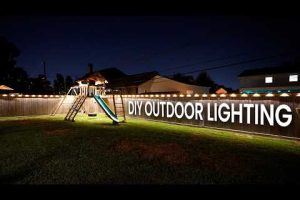



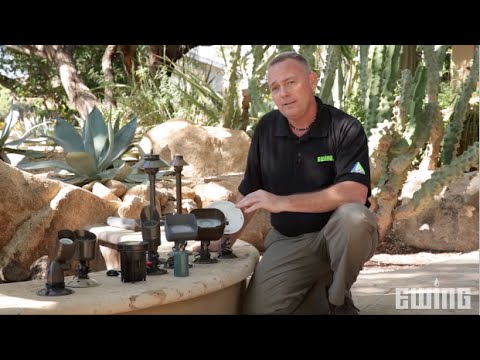
Transforming the look and functionality of your home starts the moment the sun goes down, and exterior lighting fixtures are the secret weapon most homeowners overlook. Whether you want to enhance curb appeal, improve safety along walkways, or create a warm ambiance for entertaining guests outdoors, choosing the right outdoor lighting can make all the difference. This comprehensive guide walks you through everything you need to know about exterior lighting solutions, from selecting the perfect fixture style to understanding energy-efficient options that save money while elevating your property’s visual appeal.
Types of Exterior Lighting Fixtures and Their Best Uses
The world of outdoor lighting has expanded dramatically in recent years, offering homeowners a remarkable variety of styles, materials, and technologies. Understanding each category helps you make informed decisions that align with your architectural design, landscaping goals, and budget.
Pathway and Step Lights
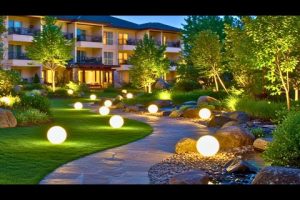
Pathway lights are among the most popular exterior lighting fixtures for residential properties. These low-profile fixtures line driveways, garden trails, and staircases, providing both decorative illumination and critical safety benefits. Most pathway lights use LED bulbs and come in finishes like brass, bronze, copper, and matte black to complement various exterior color schemes.
Wall-Mounted Sconces and Post Lights
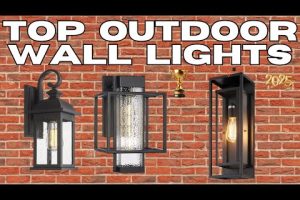
Wall-mounted exterior sconces serve double duty by adding architectural interest while lighting entryways, porches, and patios. Post lights, typically mounted on freestanding pillars or gate posts, create striking focal points along driveways and garden paths. Both fixture types are available in traditional, contemporary, and rustic designs to match virtually any home exterior.
Porch and Flood Lights
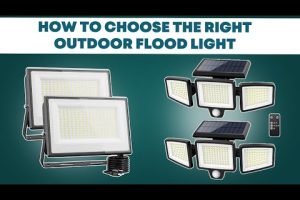
Porch lights provide broad, welcoming illumination near front doors and entry areas. Flood lights and motion-sensor security fixtures take things further by covering large outdoor zones with intense brightness. Many modern security lighting options integrate smart technology, allowing you to adjust sensitivity, scheduling, and brightness through mobile apps.
String Lights and Festoon Lighting
For creating a warm, inviting atmosphere on patios and decks, string lights and festoon-style fixtures remain a top choice. These draped lighting solutions work beautifully over dining areas, pergolas, and outdoor kitchen setups, turning ordinary spaces into stunning evening gathering spots.
How to Choose the Right Exterior Lighting Fixtures for Your Home
Selecting outdoor lighting fixtures involves more than picking a style you like at the store. Several critical factors determine long-term satisfaction and performance.
Consider Your Home’s Architectural Style
The best exterior lighting complements your home’s design language. Colonial and traditional homes often pair well with classic lantern-style fixtures, while modern and minimalist architecture calls for clean-lined, geometric designs. Mediterranean-inspired properties benefit from wrought iron or aged copper finishes that echo the warmth of Mediterranean design traditions.

Prioritize Weather Resistance and Durability
Outdoor fixtures face constant exposure to rain, humidity, UV rays, and temperature fluctuations. Look for fixtures rated with an IP (Ingress Protection) score, ideally IP44 or higher for most applications. Materials like marine-grade stainless steel, powder-coated aluminum, and UV-resistant polycarbonate offer superior longevity compared to basic plastic alternatives.
Choose the Right Bulb Technology
LED technology has revolutionized exterior lighting. LED bulbs consume up to 75% less energy than traditional incandescent options, last significantly longer, and produce far less heat. Color temperature is another important consideration — warm white (2700K to 3000K) creates an inviting atmosphere, while cooler temperatures (4000K to 5000K) work better for task and security lighting.
Match Scale to Your Space
Oversized fixtures can overwhelm a small porch, while tiny lights lost on a large facade look insignificant. Measure your space and choose fixtures proportional to the area they need to illuminate. A good rule of thumb is that a porch light should be roughly one-third the width of the door or entryway it mounts above.
Key Factors at a Glance
- IP rating for moisture and dust protection
- Material durability and finish quality
- Bulb type and color temperature
- Dimmability and smart home compatibility
- Installation complexity and mounting requirements
- Warranty and manufacturer reputation
Installation Best Practices for Exterior Lighting
Even the most beautiful exterior lighting fixtures will underperform without proper installation. Whether you are a confident DIYer or planning to hire a licensed electrician, understanding these best practices ensures a safe, effective, and long-lasting outdoor lighting system.
Plan Your Layout Before Purchasing
Sketch a rough diagram of your property, marking areas that need illumination. Consider task areas like grills and outdoor desks, ambient zones like patios and garden beds, and accent points such as architectural details or mature trees. This planning step prevents the common mistake of buying fixtures without a clear placement strategy.
Understand Electrical Requirements
Most exterior lighting operates on low-voltage (12V) or line-voltage (120V) systems. Low-voltage setups require a transformer and are ideal for pathway lights, landscape spotlights, and small fixtures. Line-voltage fixtures plug directly into existing outdoor outlets or hardwire into your home’s electrical panel. Always ensure outdoor outlets have GFCI protection and that all connections are properly sealed against moisture.
Mounting Height and Positioning
For porch lights, mount fixtures between 66 and 72 inches above the ground for optimal illumination without glare. Pathway lights should sit 12 to 18 inches above the ground, spaced evenly every 6 to 8 feet. Wall sconces typically mount at eye level, approximately 60 inches from the floor, to provide balanced light distribution around entry points.
Energy Efficiency and Modern Trends in Outdoor Lighting
The exterior lighting industry is undergoing a significant transformation driven by sustainability concerns and smart home integration. Homeowners today have access to fixtures and technologies that were unimaginable a decade ago.
Solar-Powered Exterior Lighting
Solar pathway lights, stake-mounted spotlights, and even solar wall lanterns have improved dramatically in performance. Modern solar fixtures use high-efficiency photovoltaic panels paired with lithium-ion batteries that deliver reliable illumination throughout the night, even on overcast days. While they work best in areas with abundant sunlight, advancements in battery technology have made them viable options for partially shaded locations as well.
Smart Lighting Integration
Smart exterior lighting fixtures connect to Wi-Fi networks or hubs like Zigbee and Z-Wave, allowing homeowners to control brightness, color temperature, and scheduling through smartphone apps or voice assistants like Alexa and Google Home. Many systems support geofencing, which automatically turns lights on when you approach home and off when you leave.
Dark Sky Compliant Fixtures
Growing environmental awareness has popularized dark sky-rated exterior lighting. These fixtures direct light downward, minimizing light pollution and reducing negative impacts on local wildlife and ecosystems. Many municipalities now encourage or require dark sky compliant outdoor lighting, making this trend both environmentally responsible and future-proof.
Comparison: Popular Exterior Lighting Fixture Types
The table below compares common exterior lighting fixture types across key performance and aesthetic categories to help you evaluate options side by side.

| Fixture Type | Primary Use | Typical Mounting | Avg. Price Range | Energy Efficiency |
| Pathway Lights | Walkways, garden borders | Ground stake or flush mount | $15 – $60 each | High (LED) |
| Wall Sconces | Entryways, porches | Wall-mounted, hardwired | $40 – $200 each | High (LED) |
| Porch Lights | Front door illumination | Ceiling or wall mount | $30 – $150 each | Medium to High |
| Flood Lights | Security, large areas | Eave or wall mount | $25 – $120 each | High (LED) |
| String/Festoon Lights | Ambiance, patios | Cable or wire suspended | $20 – $100 per set | Medium (LED) |
| Solar Spotlights | Accent landscaping | Ground stake, battery powered | $10 – $50 each | Very High (solar) |
This comparison highlights how diverse the exterior lighting fixture market has become, with options spanning every price point and application. The most important takeaway is that LED-powered fixtures dominate the market for good reason — they deliver superior performance with minimal operating cost and maintenance.
Common Mistakes to Avoid When Selecting Outdoor Lighting
Even experienced homeowners sometimes fall into predictable traps when designing their exterior lighting scheme. Avoid these common errors to get the best results from your investment.
- Skipping the lighting plan. Buying fixtures randomly leads to uneven illumination, wasted money, and an uncoordinated look across your property.
- Ignoring color temperature consistency. Mixing warm and cool white bulbs across your property creates a disjointed, confusing aesthetic that undermines the overall design.
- Underestimating brightness needs. Security and task lighting require significantly more lumens than decorative fixtures — plan accordingly for each zone’s purpose.
- Choosing fixtures not rated for outdoor use. Indoor-rated fixtures exposed to moisture will fail prematurely and may create safety hazards for your family.
- Over-lighting your property. Excessive brightness washes out architectural details and contributes to light pollution, reducing the overall quality and enjoyment of your outdoor space.
Conclusion: Making Exterior Lighting Work for You
Exterior lighting fixtures represent one of the highest-return investments a homeowner can make. Beyond the obvious safety and security benefits, thoughtfully designed outdoor lighting dramatically increases property value, extends usable living space into the evening hours, and creates a welcoming first impression for guests and visitors. Whether you are starting from scratch or upgrading a few existing fixtures, focus on quality materials, LED technology, and a cohesive design plan. The right combination of pathway lights, wall sconces, porch fixtures, and accent lighting will transform your home into a beautifully illuminated space that you and your neighbors will truly appreciate.
Start with a clear vision, invest in durable fixtures rated for outdoor conditions, and prioritize energy-efficient LED bulbs. The result is an outdoor environment that feels safe, beautiful, and functional long after dark falls.
Frequently Asked Questions
What is the best exterior lighting fixture for a front porch?
Wall-mounted porch lanterns or semi-flush ceiling fixtures in warm white LED are the best choices for front porches. They provide ample illumination for safe entry while creating an inviting aesthetic. Choose fixtures with an IP44 rating or higher and finishes that complement your home’s exterior palette for a cohesive look.
How do I weatherproof my exterior lighting fixtures effectively?
Ensure all fixtures carry an appropriate IP rating — IP44 for general outdoor use and IP65 for areas directly exposed to rain or hose spray. Use silicone-sealed connections, waterproof junction boxes, and silicone caulk around mounting points to prevent moisture intrusion. Regularly inspect fixtures for cracks or damaged seals, especially after severe weather events that could compromise the protective housing.
Can I install exterior lighting fixtures myself, or should I hire a professional electrician?
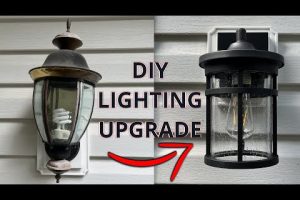
Simple fixture replacements like swapping indoor-style sconces for outdoor-rated versions can often be a DIY project if your existing wiring is accessible and properly grounded. However, new circuit installations, transformer setups for low-voltage systems, or any work involving electrical panels should be handled by a licensed electrician to ensure local code compliance and long-term safety.
What color temperature is best for exterior lighting fixtures?
Warm white (2700K to 3000K) is the most popular choice for residential exterior lighting because it creates a welcoming, comfortable atmosphere similar to traditional incandescent bulbs. For security lighting and task areas like garages or workshop spaces, a cooler 4000K to 5000K improves visibility and alertness without the harsh feel of older high-intensity options.
How long do LED exterior lighting fixtures typically last before needing replacement?

Quality LED exterior lighting fixtures last between 25,000 and 50,000 hours, depending on the bulb quality, usage patterns, and environmental exposure. This translates to roughly 10 to 20 years of typical nightly use, making LED technology an excellent long-term investment despite a slightly higher upfront cost compared to conventional bulbs that burn out far more frequently.
Are solar exterior lighting fixtures worth the investment for a typical home?
Solar exterior lights are worth considering for secondary lighting needs like pathway illumination, garden accent lighting, and areas far from electrical outlets. They eliminate wiring costs and reduce energy bills significantly. However, for primary security or task lighting where consistent brightness matters most, hardwired LED fixtures remain the superior and more reliable choice for homeowners.