


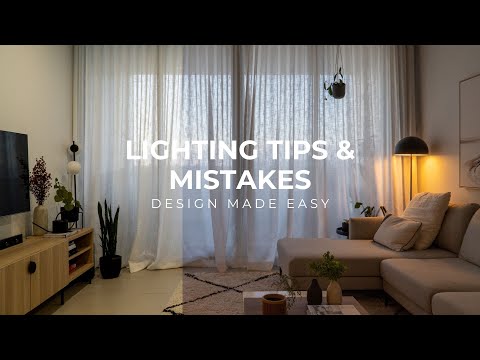
When most people think about interior spaces, they focus on furniture, wall colors, and floor plans — but lighting design is the invisible architecture that shapes how every room feels, functions, and performs. The design of lighting goes far beyond choosing a stylish pendant or swapping out a bulb. It involves a deliberate, science-backed approach to controlling light direction, intensity, color, and distribution so that a space serves its intended purpose while elevating mood, productivity, and visual comfort. Whether you are outfitting a cozy home office, designing a restaurant atmosphere, or planning a large commercial facility, understanding the fundamentals of lighting design is the single most impactful step you can take toward a space that truly works for you.
What Is Lighting Design and Why Does It Matter?
Lighting design is the art and science of selecting, placing, and controlling light sources within a built environment to achieve specific functional and aesthetic goals. Professional lighting designers consider factors such as illuminance levels (measured in lux or foot-candles), glare control, color rendering, energy efficiency, and the psychological effects of light on human behavior. The design of lighting touches virtually every industry — from architecture and hospitality to healthcare and retail — because how a space is lit directly influences how people experience it.
For beginners, the concept might seem overwhelming, but it really boils down to three questions: What activities happen in this space? What mood should the environment convey? How can light be delivered efficiently and comfortably? Answering these questions before selecting a single fixture separates thoughtful design from haphazard placement.
Core Principles of Lighting Design

Every successful lighting scheme rests on foundational principles that guide decision-making. Mastering these concepts gives you the framework to design lighting that looks professional and performs reliably over time.
Layering Light: Ambient, Task, and Accent
The most fundamental technique in lighting design is layering. Professional designers build illumination in three distinct tiers, each serving a unique role:
- Ambient (General) Lighting — The base layer that provides overall illumination to a room. Ceiling-mounted fixtures, recessed downlights, and track lights typically handle ambient lighting, ensuring safe navigation and establishing the foundational brightness level.
- Task Lighting — Focused light directed at specific activity areas, such as kitchen countertops, desk workspaces, or reading nooks. Task lighting reduces eye strain and improves precision. Examples include under-cabinet LED strips, adjustable desk lamps, and vanity lights in bathrooms.
- Accent Lighting — Used to highlight architectural features, artwork, or focal points within a space. Wall washers, spotlight fixtures, and LED tape lights add depth, dimension, and visual interest to a room.
The interplay between these three layers creates a sense of balance and purpose. A room with only ambient light often feels flat, while one with only accent lighting can feel disjointed. The magic happens when they work together seamlessly.
Color Temperature and Its Psychological Impact
Color temperature, measured in Kelvin (K), determines whether light appears warm, neutral, or cool. Understanding how different color temperatures affect perception is critical to effective lighting design:
- Warm White (2700K–3000K) — Evokes a cozy, intimate atmosphere. Best suited for living rooms, bedrooms, restaurants, and hospitality venues where relaxation is the goal.
- Neutral White (3500K–4000K) — A balanced, natural tone that works well in offices, kitchens, and retail environments where clarity and alertness matter.
- Cool White (5000K–6500K) — Crisp and clinical. Commonly used in hospitals, laboratories, warehouses, and industrial settings where precision and visibility are paramount.
Choosing the wrong color temperature for a space is one of the most common mistakes in residential and commercial lighting design. A hospital waiting room lit at 2700K can feel unsettling, while a romantic dinner at 5000K feels sterile and unwelcoming. Matching color temperature to function is non-negotiable.
Types of Lighting Fixtures and Their Applications
Selecting the right fixtures is where lighting design becomes tangible. The market offers an enormous range of options, but understanding the strengths and limitations of each category helps you make informed decisions.
LED vs. Incandescent vs. Fluorescent
The lighting technology you choose has enormous implications for energy consumption, maintenance costs, light quality, and environmental impact. Here is a practical comparison:
| Feature | LED | Incandescent | Fluorescent |
| Energy Efficiency | 80–90% less energy than incandescent | Low (wastes energy as heat) | Moderate improvement over incandescent |
| Lifespan | 25,000–50,000 hours | 750–2,000 hours | 7,000–15,000 hours |
| Color Rendering Index (CRI) | 80–98+ with quality LEDs | 100 (perfect, naturally) | 60–85 (varies) |
| Dimming Capability | Excellent with compatible drivers | Excellent | Poor (requires compatible ballasts) |
| Heat Output | Very low | Very high | Moderate |
| Best Use Case | Nearly all residential and commercial applications | Nostalgic and decorative settings | Large commercial and industrial spaces |
LED technology has fundamentally transformed lighting design. Not only do LEDs consume a fraction of the energy of older technologies, but they also offer extraordinary flexibility in dimming, color tuning, and smart integration. For anyone starting a new lighting project today, LED fixtures should be the default choice.
Fixture Categories and Placement Strategies

Beyond the technology, the type of fixture determines how light spreads and where it lands:
- Recessed Downlights — Ideal for creating even ambient wash in kitchens, hallways, and commercial offices. Spacing typically follows the rule of mounting height divided by two for optimal distribution.
- Pendant Lights — Best for task-oriented zones like dining tables, kitchen islands, and entryways. They concentrate light downward while serving as a design statement.
- Wall Sconces — Excellent for accent and ambient layering. Wall sconces eliminate harsh shadows and create welcoming entryways and bedroom environments.
- Track Lighting — Highly versatile systems that allow repositionable spotlights. Popular in retail displays, galleries, and modern loft spaces.
- Linear LED Profiles — Used for continuous ambient or accent illumination along architectural features, under cabinets, and perimeter ceilings.
Advanced Techniques in Lighting Design
Once the basics are solid, advanced strategies push a lighting scheme from competent to exceptional. These techniques separate amateur efforts from designs that truly transform spaces.
Natural Light Integration and Daylighting Strategies
Great lighting design does not fight natural light — it works with it. Daylighting strategies reduce energy consumption while improving occupant well-being and circadian rhythm alignment:
- Light Shelves — Horizontal reflective surfaces mounted near windows that bounce daylight deeper into the room, reducing the need for artificial light during daytime hours.
- Skylights and Tubular Daylight Devices (TDDs) — These channel natural light into interior spaces that lack exterior walls, such as corridors, bathrooms, and basements.
- Glazing Selection — Low-E glass, electrochromic tinting, and diffusing films control glare and heat gain while preserving daylight quality.
- Zonal Shading — Automated blinds and shades that respond to sun position, maintaining consistent daylight levels throughout the day.
Combining daylight harvesting with smart artificial lighting controls creates a dynamic system that adapts to changing conditions in real time. Occupancy sensors, daylight sensors, and time-based scheduling work together to minimize waste and maximize comfort.
Circadian Lighting and Human-Centric Design
One of the most exciting frontiers in lighting design is human-centric lighting, which adjusts color temperature and intensity throughout the day to align with the body’s natural circadian rhythm. Morning light favors cooler, brighter spectra to promote alertness, while evening light shifts to warmer tones to support melatonin production and restful sleep. This approach is especially impactful in workplaces, schools, healthcare facilities, and senior living environments where well-being is a priority.
Practical Tips for Designing Effective Lighting
Whether you are a homeowner tackling a DIY project or a professional refining your approach, these expert recommendations will elevate your results:
- Start with a lighting plan. Sketch each room, note primary activities, and identify where ambient, task, and accent layers are needed. A plan prevents costly trial-and-error during installation.
- Use the right number of light sources. Over-lighting is just as problematic as under-lighting. Calculate the total lumens needed based on room size and purpose, then distribute them across multiple fixtures for even coverage.
- Control glare ruthlessly. Improperly aimed or overly bright sources create discomfort and reduce visual clarity. Use diffusers, shielding, and proper beam angles to direct light exactly where it belongs.
- Invest in dimming. Dimmer switches and smart controls add enormous versatility, allowing a single space to shift from energized to relaxed with a single adjustment.
- Consider maintenance access. Choose fixtures that allow easy bulb replacement and cleaning, especially in high-ceilinged commercial spaces where accessing recessed fixtures can be expensive and time-consuming.
Conclusion
The design of lighting is one of the most powerful yet underappreciated tools in any space planner’s toolkit. From the foundational principles of layered illumination and color temperature selection to advanced strategies like circadian tuning and daylight harvesting, every decision shapes how a space functions and feels. Whether you are illuminating a modest apartment or a sprawling corporate campus, approaching lighting with intention, knowledge, and a commitment to both beauty and performance will always yield superior results. Start with the basics, layer your sources thoughtfully, and never underestimate the transformative power of well-designed light.
Frequently Asked Questions
What are the three layers of lighting design?
The three essential layers in lighting design are ambient lighting, which provides general illumination; task lighting, which delivers focused light for specific activities like reading or cooking; and accent lighting, which highlights architectural features, artwork, or focal points within a space. Effective designs integrate all three layers to create a balanced and visually compelling environment.
How does color temperature affect mood and productivity in a room?
Color temperature significantly influences human psychology and physiological responses. Warm light (2700K–3000K) promotes relaxation and comfort, making it ideal for bedrooms and living spaces. Neutral light (3500K–4000K) supports concentration and clarity, suiting offices and kitchens. Cool light (5000K–6500K) enhances alertness and visibility, which is beneficial for workspaces, hospitals, and industrial environments where precision matters.
Why is LED technology preferred in modern lighting design?
LED fixtures are preferred because they consume significantly less energy, last far longer than traditional bulbs, offer superior dimming and color-tuning capabilities, produce minimal heat, and integrate seamlessly with smart lighting controls. Their versatility makes them suitable for virtually every application, from residential interiors to large-scale commercial installations.
What is the difference between lux and lumens in lighting design?
Lumens measure the total amount of visible light emitted by a source, while lux measures the intensity of that light as it falls on a specific surface area (one lux equals one lumen per square meter). In lighting design, lumens help you select the right fixture brightness, while lux helps you determine whether a space has sufficient illumination for its intended activities.
How can I design lighting for a small room without making it feel cramped?
For small spaces, prioritize layered lighting with multiple low-profile sources rather than a single large fixture. Use wall-mounted sconces and vertical light to draw the eye upward, incorporate dimmable LEDs for flexibility, and leverage reflective surfaces to amplify natural and artificial light. Avoid ceiling-mounted downlights that create a “cave effect” — instead, use cove lighting and indirect wall washing to create the illusion of openness and airiness.