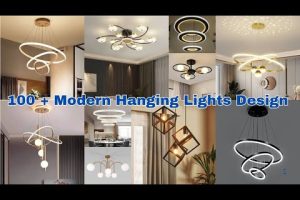
When it comes to upgrading your kitchen, hanging light fixtures often make the biggest impact for the smallest investment. Whether you are remodeling a small apartment kitchen or designing a sprawling open-concept culinary space, the right suspended lighting can completely transform the ambiance, functionality, and even the perceived size of your cooking area. Kitchen pendant lights, chandelier hangs, and linear suspension fixtures are no longer just practical necessities—they are design statements that anchor your entire space. In this comprehensive guide, we will walk you through everything you need to know about selecting, installing, and styling hanging light fixtures for kitchen environments, from beginner basics to advanced design strategies that will elevate your home.
Why Hanging Light Fixtures Transform Your Kitchen Space
Lighting is one of the most powerful tools in interior design, and hanging fixtures offer something that recessed cans or wall sconces simply cannot—vertical dimension and visual focus. A well-placed kitchen hanging light draws the eye downward toward the center of the room, creating a sense of warmth and intimacy that open floor plans often lack. Beyond aesthetics, suspended lights provide essential task illumination over countertops, islands, and dining areas. According to lighting designers, the key to a perfectly lit kitchen lies in layering ambient, task, and accent lighting—and hanging fixtures excel at filling the task and accent roles.
The placement of your hanging lights matters enormously. Installing them too high washes out the space, while hanging them too low creates obstruction. The general rule of thumb is to position fixtures approximately 30 to 36 inches above the kitchen counter surface or dining table. This height ensures adequate light coverage without interfering with meal preparation or conversation.
Types of Kitchen Hanging Light Fixtures
Not all suspended lights are created equal. Understanding the different categories will help you narrow your options based on your kitchen’s layout, size, and design aesthetic.
Pendant Lights
Pendant lights are the most popular choice for modern kitchens. These single-shade fixtures hang from a cord, chain, or rod and come in an enormous range of styles—from minimalist glass globes to rustic metal drums and sculptural organic shapes. A single large pendant works beautifully over a kitchen island, while a row of smaller pendants creates a striking linear effect perfect for long countertops or narrow galley kitchens.
Chandeliers
Chandeliers bring a touch of elegance and drama to kitchen spaces. Traditionally associated with dining rooms, chandeliers have made their way into kitchens as statement pieces, particularly in farmhouse, transitional, and luxury design schemes. Crystal chandeliers, candle-style fixtures, and modern geometric designs all fall into this category and offer ample light output with decorative flair.
Linear Suspension Lights
Also known as linear pendants or cafe lights, these fixtures feature multiple light sources arranged along a single horizontal bar or track. They are ideal for covering long surfaces such as kitchen islands, breakfast bars, or dining nooks. Linear suspension lights provide uniform illumination and work exceptionally well in contemporary and industrial design styles.
How to Choose the Right Hanging Light Fixture for Your Kitchen
Selecting the perfect fixture involves balancing several practical and aesthetic factors.
- Kitchen Size and Ceiling Height: Measure your kitchen’s square footage and ceiling height before shopping. Compact kitchens benefit from a single small pendant or a mini-chandelier, while larger open kitchens may require multiple fixtures or a dramatic centerpiece chandelier.
- Style and Decor: Your hanging light should complement your kitchen’s overall design language. Matte black pendants suit industrial and modern aesthetics, brass or bronze fixtures pair beautifully with warm farmhouse interiors, and white glass chandeliers enhance Scandinavian and minimalist kitchens.
- Bulb Type and Brightness: Choose LED bulbs for energy efficiency and longevity. Consider color temperature—warm white (2700K–3000K) creates a cozy atmosphere, while cool white (4000K) provides crisp task lighting ideal for food preparation areas.
- Dimmability: Opt for dimmable fixtures and bulbs. The ability to adjust brightness gives you flexibility for cooking, entertaining, and casual dining scenarios.
- Scale and Proportion: A light fixture that is too small gets lost in a large kitchen, while an oversized fixture in a small space feels overwhelming. As a general guideline, add the room’s length and width in feet and convert to inches—that number approximates the ideal fixture diameter.
Installation Tips and Best Practices
Installing hanging light fixtures for kitchen use requires careful planning and attention to safety. While some experienced DIYers handle the job themselves, hiring a licensed electrician is always recommended, especially when dealing with hardwired fixtures or ceiling boxes that may need reinforcement.
Before installation, ensure your ceiling box is rated to support the fixture’s weight. Standard boxes are designed for lighter fixtures; pendant lights and chandeliers can be surprisingly heavy once assembled and filled with bulbs. Use a fan-rated or fixture-rated box anchored directly to a joist or beam whenever possible.
Consider the electrical layout early in your planning. If you are installing new fixtures where none existed before, you may need to run new wiring. Having a licensed professional handle this ensures code compliance and prevents safety hazards. Always turn off the circuit breaker before working on any electrical connection, even if you are confident the power is off.
Hanging Light Fixtures Comparison: Pendant vs. Chandelier vs. Linear
| Feature | Pendant Lights | Chandeliers | Linear Suspension Lights |
| Best For | Islands, small counters | Large kitchens, dining areas | Long countertops, breakfast bars |
| Coverage Area | 1–3 feet diameter | 2–5 feet diameter | 3–8 feet length |
| Design Styles | Modern, minimalist, rustic | Traditional, luxury, transitional | Contemporary, industrial, Scandinavian |
| Light Output | Moderate to high | High | Moderate to high |
| Installation Complexity | Easy to moderate | Moderate to complex | Moderate |
| Average Cost Range | $50–$300 per fixture | $150–$800+ per fixture | $80–$400 per fixture |
| Ideal Room Size | Small to medium | Medium to large | Medium to large |

Common Mistakes to Avoid When Installing Kitchen Hanging Lights
Even experienced homeowners make avoidable errors when hanging lights in the kitchen. Here are the most common pitfalls:
- Skipping the dimmer switch: Without dimming capability, your lighting scheme feels one-dimensional and harsh.
- Choosing the wrong bulb color temperature: Mixing cool and warm bulbs in the same fixture creates an unbalanced, unattractive glow.
- Ignoring clearance heights: Fixtures hung too low over walkways create head hazards and obstruct movement through the kitchen.
- Using the wrong ceiling box: A standard plastic box can fail under the weight of a metal chandelier, creating a serious safety risk.
- Mismatching fixture style to kitchen design: A contemporary chrome pendant in a rustic farmhouse kitchen looks jarring and disconnected.
- Forgetting about plug-in options: Cord-mounted plug-in pendants offer flexibility for renters or those who want to avoid hardwiring entirely.
Expert Recommendations for Styling Hanging Kitchen Lights
Once your fixture is installed, styling makes the difference between good and great. Here are expert tips that interior designers swear by:
- Use odd numbers when grouping pendants—three or five fixtures create a more visually appealing arrangement than two or four.
- Maintain consistent spacing between multiple pendants, typically 12 to 18 inches apart center-to-center.
- Layer your lighting by combining hanging fixtures with under-cabinet LED strips and recessed ceiling lights for full kitchen illumination.
- Choose fixtures with open bottoms for a more airy feel in smaller kitchens, as enclosed shades can make compact spaces feel cramped.
- Consider the finish of your fixture in relation to other metal hardware in the kitchen—pulls, faucets, and cabinet handles should coordinate or match.
Frequently Asked Questions About Kitchen Hanging Light Fixtures
What is the best hanging light fixture for a small kitchen with low ceilings?
For small kitchens with low ceilings, mini pendants or flush-mount semi-pendant fixtures are your best options. These compact suspended lights provide adequate illumination without consuming valuable headroom. Choose a fixture that is no wider than 12 inches and keep the bottom of the shade at least 7 feet above the floor. Plug-in cord-mounted pendants are also excellent because they allow height adjustment without any electrical work.
How many hanging lights should I install over my kitchen island?
The number of hanging lights over your kitchen island depends on the island’s length. For islands between 4 and 6 feet, one large pendant or two small pendants spaced evenly works well. For islands measuring 7 to 9 feet, three pendants in a row is the standard recommendation. Islands longer than 10 feet may require four or more fixtures to ensure even light distribution across the entire surface.
Can I install hanging kitchen lights without hiring an electrician?
Yes, if you choose plug-in pendant fixtures that simply plug into an existing outlet. These cord-mounted options require no wiring and can be installed in minutes using adhesive hooks or ceiling-mounted canopy brackets. However, for hardwired fixtures that connect directly to your home’s electrical system, hiring a licensed electrician is strongly recommended to ensure safe, code-compliant installation.
What color temperature is best for kitchen pendant lights?
Most lighting experts recommend a warm white color temperature between 2700K and 3000K for kitchen pendant lights. This range creates a welcoming, inviting atmosphere while still providing sufficient brightness for food preparation and cleanup. If your kitchen is primarily a workspace and you need maximum clarity for detailed tasks, consider 3500K bulbs, which offer a neutral white light without the harshness of cooler temperatures.

How do I clean and maintain hanging kitchen light fixtures?
Cleaning frequency depends on how close your kitchen is to cooking grease and steam. Wipe glass and metal fixtures with a microfiber cloth dampened with a gentle cleaner every two weeks. For fabric or paper shades, dust regularly and replace if they become discolored or stained from cooking oils. Chandeliers with multiple crystal or glass components benefit from a yearly deep clean using a specialized chandelier cleaning solution and a soft lint-free cloth.
Conclusion
Hanging light fixtures for the kitchen represent one of the most impactful upgrades you can make to your home’s most-used room. Whether you gravitate toward the clean lines of a modern pendant, the timeless elegance of a chandelier, or the streamlined functionality of a linear suspension light, the key lies in thoughtful selection, proper installation, and intentional styling. By considering your kitchen’s dimensions, design style, and lighting needs, you can choose a fixture—or combination of fixtures—that delivers both beauty and performance for years to come. Invest the time to get it right, and your kitchen will reward you with a luminous, welcoming atmosphere every time you step inside.