Transforming an ordinary backyard into a stunning nighttime retreat starts with the right garden lighting strategy. Whether you are looking to highlight architectural features, create a welcoming atmosphere for evening gatherings, or simply improve safety along pathways, outdoor illumination plays a role that goes far beyond aesthetics. In this comprehensive guide, we will walk you through everything you need to know about designing, installing, and optimizing a garden lighting setup that works beautifully from dusk until dawn. From choosing the perfect fixtures to understanding voltage systems and placement techniques, this article covers beginner fundamentals all the way to advanced design principles that even seasoned landscapers appreciate.
Why Garden Lighting Is Essential for Every Outdoor Space
Many homeowners underestimate the power of well-planned exterior lighting. Beyond simply making your garden visible after dark, strategic illumination extends your usable living space, increases property value, and enhances the overall mood of your landscape. A thoughtfully lit garden creates layers of depth, drawing the eye toward focal points like mature trees, water features, or sculptural elements while softening the boundaries between your home and the natural surroundings.
There are also practical benefits that make outdoor garden lighting a worthwhile investment. Properly lit walkways reduce the risk of trips and falls, deterring unwanted intruders and keeping your family safe. Motion-activated fixtures near entry points serve a dual purpose of convenience and security. Meanwhile, uplighting and downlighting techniques can dramatically change how your property looks from the street, boosting curb appeal the moment the sun goes down.
Key Benefits at a Glance
- Extends outdoor living hours well into the evening
- Enhances safety by illuminating steps, slopes, and pathways
- Increases property value and first impressions from the street
- Creates a layered, professional look similar to high-end hospitality spaces
- Supports wildlife-friendly design with warm-toned, low-intensity options
- Reduces energy costs when paired with LED or solar technology
Types of Garden Lighting Fixtures Explained
Understanding the different fixture categories is the foundation of any successful lighting plan. Each type serves a specific purpose, and combining them creates a balanced, visually rich outdoor environment. Let us break down the most popular options available today.
Path Lights
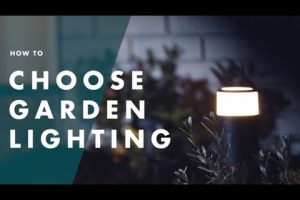
Path lights are low-profile fixtures installed along walkways, garden borders, and driveways. They provide gentle downward illumination that guides movement while adding decorative ambiance. Common styles include bollard lights, stake-mounted pods, and lantern-shaped designs. When choosing path lights, look for models with frosted or diffused lenses that prevent harsh glare.
Uplighting and Downlighting
Uplighting involves placing fixtures at ground level to shine upward onto trees, walls, or architectural details. This technique creates dramatic silhouettes and draws attention to textures like bark, stone, or climbing vines. Downlighting, often called moonlighting, positions fixtures high up in trees or on structures to cast a soft, natural glow downward, mimicking the effect of moonlight filtering through a canopy.
Spotlights and Floodlights
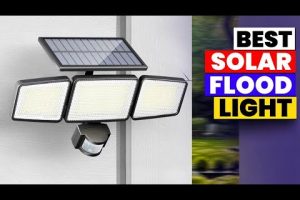
Spotlights produce a narrow, focused beam ideal for highlighting a single specimen plant, statue, or facade detail. Floodlights emit a broader wash of light suited for large walls, expansive lawn areas, or security coverage. Both types are available in adjustable beam angles, giving you flexibility to fine-tune the spread.
String Lights and Festoon Lights
For a more relaxed, inviting atmosphere, string lights and festoon bulbs are increasingly popular in garden design. They work beautifully over dining patios, pergolas, and pergola-style structures, adding warmth and charm that feels both cozy and sophisticated.
Water and Pond Lights
Submersible and accent lights designed for water features bring an ethereal quality to ponds, fountains, and streams. These fixtures often use RGB or warm-white LEDs to create rippling color effects or a steady glow that reflects off the water’s surface.
Comparing Garden Lighting Power Sources and Systems
Choosing the right power source is one of the most important decisions in your garden lighting project. The three main options — line-voltage, low-voltage, and solar — each come with distinct advantages and trade-offs. Below is a comparison table to help you evaluate which system fits your needs best.
| Feature | Line-Voltage (120V) | Low-Voltage (12V) | Solar-Powered |
| Brightness | Very high, ideal for flood lighting | Moderate to high, versatile | Low to moderate |
| Installation Complexity | Requires licensed electrician | DIY-friendly, needs transformer | Minimal, no wiring |
| Energy Cost | Higher electricity bills | Moderate, efficient with LEDs | Zero ongoing cost |
| Flexibility | Fixed placement near outlets | Highly flexible, easy to reposition | Limited by sunlight exposure |
| Best For | Security, large area illumination | Design-focused landscapes, pathways | Accent lighting, small gardens |
For most residential garden projects, low-voltage LED systems strike the best balance between performance, safety, and ease of installation. A 12V transformer converts standard household current down to a safer level, allowing you to run cables through garden beds without the risks associated with high-voltage wiring. Pair this system with quality LED bulbs, and you will enjoy energy savings of up to 80 percent compared to traditional incandescent garden lights.
Solar-powered garden lighting has improved dramatically in recent years. Modern solar stakes now feature efficient photovoltaic panels, rechargeable lithium-ion batteries, and bright LED chips that can run for 8 to 12 hours on a single charge. They are an excellent choice for renters, temporary installations, or gardeners who want a zero-wiring solution for accent areas. However, solar fixtures generally cannot match the brightness or consistency of wired systems, so they work best as supplementary or decorative elements rather than primary illumination.
How to Design a Garden Lighting Layout That Works
Designing a garden lighting plan is part art, part science. The goal is to create visual hierarchy — guiding the eye through your landscape in a way that feels natural and intentional. Start by walking your garden at dusk and identifying the features you want to highlight, the areas that need functional visibility, and the spots where you want to create mood or drama.
Step-by-Step Design Process
- Sketch your garden layout on paper or use a landscaping app to map out beds, paths, walls, trees, and focal points.
- Identify focal points — these are the elements you want to spotlight, such as a mature oak tree, a stone archway, or a raised planter.
- Plan functional lighting zones for pathways, steps, seating areas, and entry points where safety matters most.
- Layer your lighting by combining ambient (general glow), task (functional illumination), and accent (dramatic highlights) fixtures.
- Choose fixtures and bulbs based on the mood you want — warm white (2700K–3000K) for cozy, inviting spaces; cool white (4000K+) for modern, crisp aesthetics.
- Install transformers, cabling, and fixtures according to manufacturer guidelines, keeping cable runs as short as possible to minimize voltage drop.
- Test and adjust after dark, fine-tuning angles and positions until the effect feels balanced and cinematic.
Pro Placement Tips

- Position uplights at a 30- to 45-degree angle from the base of a tree or wall for the most natural-looking wash.
- Install path lights approximately 8 to 10 feet apart to maintain consistent illumination without creating a runway effect.
- Use multiple smaller fixtures rather than one large one to create softer, more diffused lighting across a broad area.
- Hide transformer boxes and cable connections underground or inside utility boxes to keep the visual experience clean.
- Add dimmers or smart controls so you can adjust brightness for different occasions — from intimate dinners to lively garden parties.
Advanced Garden Lighting Techniques for Experienced Designers
Once you have mastered the basics, you can explore more sophisticated approaches that elevate your garden from beautiful to breathtaking. Techniques like silhouetting, shadowing, and washing create depth and theatricality that professional landscape designers use to transform outdoor spaces.
Silhouetting places a light source behind an object — such as a tree with an interesting branch structure or a decorative fence panel — and aims it toward a light-colored wall or backdrop. The result is a striking dark silhouette that becomes a dramatic focal point in the darkness.
Shadowing works in the opposite direction: a fixture shines light toward a textured wall from the front, and a tree or sculpture positioned between the light and the wall casts an enlarged, projected shadow. This technique adds an almost artistic, gallery-like quality to your outdoor space.

Wash lighting uses wide-beam fixtures to evenly illuminate a large surface, such as a house facade or a tall hedge. When combined with color-changing LED technology, wash lighting allows you to shift the entire mood of your garden with the tap of a smartphone — from warm amber on a quiet Tuesday evening to vibrant blues and greens for a festive celebration.
Smart garden lighting systems represent the cutting edge of outdoor illumination. Products from brands like Philips Hue, LITOM, and Ring allow you to program automated schedules, sync lighting scenes with music or sunset times, and integrate your garden lights with broader home automation ecosystems. These systems make it possible to manage every fixture from a single app, adjusting zones independently for maximum control and energy efficiency.

Maintenance and Long-Term Care for Garden Lighting
A garden lighting installation is not a set-it-and-forget-it project. Over time, fixtures can accumulate dirt, debris, and mineral deposits that dim their output. Bulbs and batteries degrade, transformers can fail during power surges, and vegetation growth can block beams that once shone perfectly. Scheduling a seasonal maintenance check — ideally in early spring and late autumn — keeps your system performing at its best.
Clean fixture lenses with a soft cloth and mild soap, trim back any plants that have grown into light paths, and check cable connections for signs of corrosion or moisture intrusion. If you use a low-voltage system, measure the voltage at the furthest fixture from the transformer to ensure you are not experiencing significant voltage drop, which can cause dimming and uneven brightness across your garden.
Frequently Asked Questions About Garden Lighting
What is the best color temperature for garden lighting? Warm white light in the range of 2700K to 3000K is widely considered the best choice for garden lighting because it mimics the soft glow of candlelight and firelight, creating a welcoming and relaxing atmosphere without attracting as many insects as cooler color temperatures. For modern minimalist gardens, 3500K to 4000K can work well, but it is best reserved for task areas like outdoor kitchens and workspaces.
How many garden lights do I need for a medium-sized backyard? As a general rule of thumb, plan for one path light every 8 to 10 feet along walkways, one accent uplight or downlight for every major focal point, and two to four ambient fixtures for each seating or dining area. A typical 500-square-foot backyard might require between 15 and 25 fixtures total, depending on complexity and design goals.
Can I install garden lighting myself, or do I need a professional? Low-voltage garden lighting systems are very DIY-friendly and can be installed by homeowners with basic tools and a willingness to dig shallow trenches for cable runs. However, line-voltage systems, in-ground fixtures requiring electrical permits, or complex smart integrations are best handled by a licensed electrician or outdoor lighting specialist to ensure safety and code compliance.
How long do solar garden lights last on a single charge? Most modern solar garden lights provide between 6 and 12 hours of runtime on a full charge, depending on battery capacity, LED efficiency, and the amount of direct sunlight the solar panel receives during the day. Lights placed in shaded areas may charge less effectively and run for a shorter duration at night.
What is the average cost of a professional garden lighting installation? For a typical residential garden, professional installation costs range from $2,000 to $8,000 or more, depending on the number of fixtures, system complexity, transformer requirements, and local labor rates. DIY low-voltage installations can cost as little as $200 to $500 for materials, making it a highly customizable project that fits almost any budget.
How do I protect my garden lighting system from weather damage? Choose fixtures with an IP65 or higher ingress protection rating, which ensures they are fully protected against dust and low-pressure water jets. Bury cables at least 6 inches below soil level, use outdoor-rated junction boxes for all connections, and install a surge protector on your transformer to guard against lightning-induced power spikes. During winter in colder climates, consider removing removable solar stakes and storing them indoors to preserve battery life.
Conclusion
Garden lighting is one of the most impactful upgrades you can make to your outdoor space, delivering immediate visual transformation alongside real practical benefits. Whether you are a beginner starting with a simple set of solar path lights or an experienced designer building a fully automated, multi-zone LED system, the principles remain the same: layer your light, highlight what matters, and prioritize quality fixtures that stand up to the elements. By investing time in thoughtful planning and smart fixture selection, you will create a garden that looks just as captivating at night as it does during the day — a true extension of your home that invites you to spend more time outdoors, no matter the season.