


The automatic light bulb has transformed the way we think about illumination in homes, offices, and public spaces. Gone are the days when flipping a wall switch was the only way to control your lighting. Today, intelligent lighting solutions respond to motion, ambient conditions, voice commands, and even your daily schedule. Whether you are upgrading a single room or designing a full smart home ecosystem, understanding how automatic light bulbs work—and which type fits your needs—can save you time, energy, and money. This guide covers everything from the basic technology behind these bulbs to advanced setup tips that even seasoned homeowners will appreciate.
What Is an Automatic Light Bulb?
An automatic light bulb is a lighting device that adjusts its operation without requiring manual intervention. Unlike traditional incandescent or standard LED bulbs that stay on or off based solely on a physical switch, an automatic light bulb incorporates sensors, microprocessors, or wireless connectivity to detect environmental cues and user preferences. This category includes motion-activated bulbs, daylight-responsive bulbs, and smart bulbs that integrate with home automation platforms like Google Home, Amazon Alexa, or Apple HomeKit.
The core idea is simple: the bulb senses and reacts. Some models detect when a room is occupied and turn on or off accordingly. Others monitor the surrounding light level and dim or brighten to maintain a consistent atmosphere. The result is a seamless, energy-efficient lighting experience that adapts in real time.
How Do Automatic Light Bulbs Work?
Under the hood, an automatic light bulb combines hardware and software to deliver intelligent illumination. The exact mechanism depends on the bulb type, but most share common components that work together to create a responsive lighting experience.
Sensors and Detection Technology
Most automatic bulbs rely on one or more of the following sensing mechanisms:
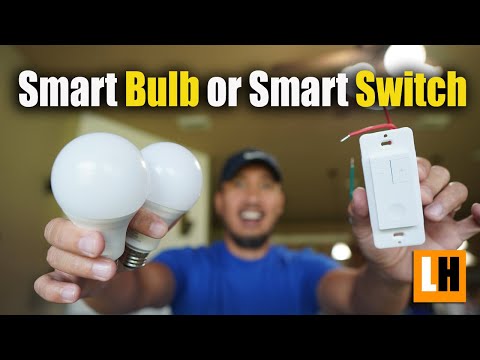
- Passive Infrared (PIR) sensors detect body heat and movement within a set radius, triggering the bulb to turn on when someone enters a room and off after a period of inactivity.
- Photoelectric sensors measure the ambient light level in a space, allowing the bulb to adjust brightness automatically based on how much natural light is already present.
- Ultrasonic sensors use high-frequency sound waves to detect motion, which is especially useful in areas where line-of-sight PIR sensors may be obstructed.
- Wi-Fi, Bluetooth, or Zigbee connectivity enables smart bulbs to receive commands from a mobile app, voice assistant, or centralized hub, adding a layer of programmable automation on top of sensor-based triggers.

The Microprocessor and Firmware
Every automatic light bulb contains a small microprocessor that processes sensor data and executes programmed responses. The firmware is the set of instructions that tells the bulb how to behave. For example, a motion-activated bulb might have a configurable timeout—say, five minutes after the last detected movement—before it powers down. Smart bulbs often receive firmware updates over the air, which means their functionality can improve long after purchase.
Types of Automatic Light Bulbs
Not all automatic bulbs are created equal. Understanding the different categories helps you choose the right solution for each space in your home or business.
Motion-Activated Light Bulbs
Motion-activated bulbs are the most common type of automatic light bulb. They are popular for hallways, garages, basements, outdoor porches, and security areas. When the PIR sensor detects movement within a configurable range—typically 10 to 30 feet—the bulb illuminates instantly. Key features include:
- Adjustable sensitivity settings to avoid false triggers from pets or small animals.
- Customizable timeout durations so the light stays on long enough without wasting energy.
- Daylight override, which prevents the bulb from turning on during bright daytime hours when extra illumination is unnecessary.
Ambient Light Sensor Bulbs
These bulbs, sometimes called auto-dimming light bulbs, use photocells to measure the surrounding light. When natural sunlight fades in the evening, the bulb brightens to maintain a comfortable level. Conversely, during a bright afternoon, it dims to avoid glare and unnecessary power consumption. They are ideal for living rooms, home offices, and study areas where consistent lighting quality matters throughout the day.
Smart Wi-Fi and Zigbee Bulbs
Smart automatic light bulbs go a step further by connecting to your home network. Brands like Philips Hue, LIFX, Wyze, and Sengled offer bulbs that can be controlled remotely through smartphone apps, programmed with schedules, and integrated into broader automation routines. A smart bulb can simulate occupancy while you are on vacation, respond to sunrise and sunset times automatically, or change color temperature based on the time of day.
Benefits of Using Automatic Light Bulbs
The advantages of switching to automatic lighting extend well beyond simple convenience.
- Energy savings: Automatic shutoff eliminates the problem of lights being left on in empty rooms. Studies suggest that automated lighting can reduce energy consumption by 10 to 30 percent in residential settings.
- Enhanced security: Motion-activated outdoor bulbs deter intruders by illuminating dark areas the moment someone approaches your property.
- Extended bulb lifespan: Because automatic bulbs turn off when not needed, they experience less total operating time, which directly extends their useful life.
- Accessibility: For elderly individuals, people with mobility challenges, or anyone who enters a room carrying groceries, hands-free lighting removes a daily friction point.
- Customizable ambiance: Smart automatic bulbs allow you to set color temperatures and brightness levels that match your mood, activity, or time of day.
Automatic vs Traditional Light Bulbs: A Comparison
| Feature | Automatic Light Bulb | Traditional Bulb |
| Activation Method | Sensor, app, or voice command | Manual wall switch |
| Energy Efficiency | High—auto shutoff saves power | Variable—depends on user habits |
| Smart Integration | Yes (most models) | No |
| Upfront Cost | Higher ($10–$50 per bulb) | Lower ($1–$5 per bulb) |
| Long-Term Savings | Significant over time | Minimal |
| Customization | Schedules, scenes, routines | On or off only |
| Installation Complexity | Standard screw-in; app setup required | Simple screw-in |
Practical Tips for Choosing the Right Automatic Light Bulb
Selecting the best automatic light bulb for your needs involves considering a few key factors beyond just brand reputation.
- Match the sensor type to your use case. A PIR motion sensor works well for hallways and entryways, but a photocell sensor is better suited for rooms with large windows that receive varying natural light throughout the day.
- Check compatibility with your existing smart home ecosystem. If you already use Alexa, Google Home, or Apple HomeKit, choose bulbs that support those platforms. Zigbee-based bulbs like Philips Hue require a dedicated hub, while Wi-Fi bulbs connect directly to your router.
- Pay attention to brightness and color temperature ranges. A good automatic bulb offers a wide lumen range (2700K warm white to 6500K cool daylight) so you can tailor the atmosphere for any occasion.
- Consider outdoor-rated bulbs for exterior use. Not all automatic bulbs are weatherproof. Look for an IP65 or higher rating if you plan to install them on porches, garages, or garden paths.
- Think about dimming capability. Some automatic bulbs offer full dimming control, which enhances both comfort and energy savings.
Expert Tips for Maximizing Your Automatic Lighting Setup
Once you have installed your automatic light bulbs, a few expert strategies can help you get the most out of them.
First, position your sensors strategically. A motion-activated bulb mounted at the correct height—typically 6 to 8 feet from the floor—and aimed at the primary entry point will deliver the most reliable detection. Avoid placing sensors near heat sources like vents or radiators, as PIR sensors can misinterpret thermal changes as movement.
Second, create automation routines. Most smart bulb ecosystems allow you to build scenes and schedules. For example, set your bedroom bulbs to gradually brighten at sunrise and dim to zero at your bedtime each night. This mimics natural light cycles and supports healthier sleep patterns.
Third, use grouping and zoning. Instead of controlling each bulb individually, group bulbs by room or function. A “movie night” scene could dim all living room bulbs to 10 percent while the kitchen lights stay off entirely. Grouping simplifies management and makes your automation feel more intuitive.
Finally, keep firmware updated. Manufacturers regularly release updates that improve sensor accuracy, add new features, and patch security vulnerabilities. Enabling automatic updates ensures your bulbs stay performing at their best.
Frequently Asked Questions
1. How long do automatic light bulbs typically last?
Most automatic LED bulbs have a rated lifespan of 15,000 to 25,000 hours, which translates to roughly 15 to 25 years of typical household use. Because automatic bulbs often spend less time powered on compared to manually switched bulbs, their actual operational lifespan can be even longer.
2. Can I use automatic light bulbs in any standard light fixture?

Yes, the vast majority of automatic light bulbs use standard screw-in bases (E26 or E27 in the US and Europe). They fit into any conventional socket. The only exception is fixtures that require a built-in dimmer switch, which may need compatible bulbs—most smart automatic bulbs are dimmable but work best with a smart dimmer or direct dimming capability built into the bulb itself.
3. Do automatic light bulbs work during a power outage?
Standard automatic light bulbs do not store energy and will not function during a power outage. However, some smart bulbs with battery backup or that are part of a system with a UPS (uninterruptible power supply) can retain their settings and resume operation once power is restored. For critical areas like stairways or hallways, consider pairing automatic bulbs with a small battery backup unit.
4. Are automatic light bulbs worth the higher upfront cost?
Absolutely. While an automatic light bulb costs more than a traditional bulb at the point of purchase, the energy savings from auto shutoff, reduced bulb replacement frequency, and the convenience factor deliver a strong return on investment. Most homeowners see a payback period of less than two years, especially when replacing frequently used bulbs like those in kitchens, hallways, and outdoor fixtures.
5. Can I automate automatic light bulbs without a smart home hub?
Yes. Wi-Fi-enabled automatic bulbs can be controlled directly through their companion smartphone app without a hub. However, if you want to integrate bulbs from multiple brands or create complex multi-device routines, a hub or bridge (such as the Philips Hue Bridge or Amazon Echo Show) greatly expands your options and reliability.
Conclusion
The automatic light bulb represents one of the most practical and impactful upgrades you can make to any living or working space. From the straightforward motion-activated bulb that quietly saves energy in your hallway to a fully networked smart lighting system that responds to your voice, your schedule, and the rising sun, automated illumination brings a new level of comfort, security, and efficiency to everyday life. The technology has matured to the point where these bulbs are affordable, easy to install, and remarkably reliable. Whether you are a beginner just dipping your toes into smart home technology or an advanced user building an elaborate automation setup, the automatic light bulb delivers immediate, measurable value. Start with one or two bulbs in high-traffic areas, experience the difference, and expand from there—the results will speak for themselves.