


Every summer, millions of households and businesses face the same frustrating reality: their air conditioning system devours electricity, sending energy bills through the roof while contributing heavily to carbon emissions. Whether you are a homeowner trying to keep monthly costs manageable or a facility manager overseeing large commercial HVAC systems, the search for an effective air conditioning energy saver has never been more urgent. The good news is that modern technology has produced a wide range of solutions — from smart thermostats and programmable controllers to innovative power management devices — that can dramatically reduce your cooling costs without sacrificing comfort. In this comprehensive guide, we will explore everything you need to know about air conditioning energy savers, how they work, the best options available, and expert strategies to maximize your savings all season long.
What Is an Air Conditioning Energy Saver?
An air conditioning energy saver refers to any device, technology, or practice designed to reduce the amount of electricity consumed by your cooling system while maintaining optimal indoor temperatures. These solutions range from simple behavioral adjustments to sophisticated smart devices that learn your habits and automate energy-saving decisions. At its core, the goal of an AC energy saver is to close the gap between the cooling your system provides and the actual comfort you need, eliminating wasted energy that inflates your utility bills every month.
The concept goes beyond just plugging in a gadget. It encompasses the entire ecosystem of your cooling setup — the thermostat, the insulation, the ductwork, and the way you interact with your system daily. Understanding this broader picture is essential because the most effective energy savings come from combining the right hardware with smart operational habits.
How Do Air Conditioning Energy Savers Work?
Air conditioning energy savers operate on a simple but powerful principle: reduce unnecessary cooling cycles without compromising indoor comfort. Most devices and systems achieve this through one or more of the following mechanisms:
- Smart Temperature Scheduling: Devices like smart thermostats learn your daily routine and automatically adjust cooling output when you are asleep or away from home, ensuring you are not paying to cool an empty house.
- Cycle Optimization: Energy savers monitor compressor run times and prevent short cycling — a common problem where the AC unit turns on and off too frequently, wasting significant startup energy each time.
- Voltage Regulation: Some advanced energy saver devices stabilize the voltage supply to your AC unit, reducing the electrical stress on the compressor and lowering power consumption by up to 15–30 percent.
- Zoned Cooling Control: Multi-zone systems allow you to cool only the rooms you are using, directing airflow where it is needed most instead of wasting energy on unused spaces.
- Demand Response Integration: Modern energy savers can communicate with your utility grid and temporarily reduce cooling load during peak demand periods, sometimes earning you credits or rebates.
The Science Behind Energy Savings

When your air conditioner cycles on, the compressor draws a surge of electricity — often two to three times its normal running wattage. This startup surge is where most wasted energy hides. By minimizing unnecessary on-off cycles and keeping the system running at a steady, efficient pace, energy savers cut down on these costly surges. Additionally, maintaining a consistent temperature setpoint prevents the compressor from working harder than necessary to recover from large temperature swings.
Types of Air Conditioning Energy Savers
Not all energy savers are created equal. The market offers several distinct categories, each suited to different budgets, setups, and levels of technical expertise. Understanding your options is the first step toward making an informed investment.
1. Smart Thermostats
Smart thermostats are arguably the most popular and impactful air conditioning energy savers available today. Leading brands like Nest, Ecobee, and Honeywell Home offer Wi-Fi-enabled devices that learn your preferences, adapt to weather forecasts, and provide detailed energy usage reports. Most smart thermostats pay for themselves within one to two cooling seasons through reduced electricity consumption.
2. AC Energy Saver Modules and Controllers

These are dedicated devices installed between your electrical panel and the AC unit. Products like the Cool-N-Save or AC Saver modules monitor the compressor’s thermal state and cycle the condenser fan independently, allowing the compressor to rest during low-demand periods. They are relatively affordable and can be installed without professional help in many cases.
3. Programmable and Timer-Based Controllers
For those on a tighter budget, programmable thermostats and simple timer plugs offer a straightforward approach. You set specific on and off times based on your schedule, preventing the AC from running all day while nobody is home. Although less sophisticated than smart thermostats, these still deliver meaningful cooling cost reduction.
4. Power Strips with Energy Monitoring
Modern energy-monitoring power strips track the real-time electricity usage of your AC and other connected devices. They can automatically cut power to idle equipment and provide data insights that help you identify waste. Brands like TP-Link Kasa and Wemo offer reliable options in this category.
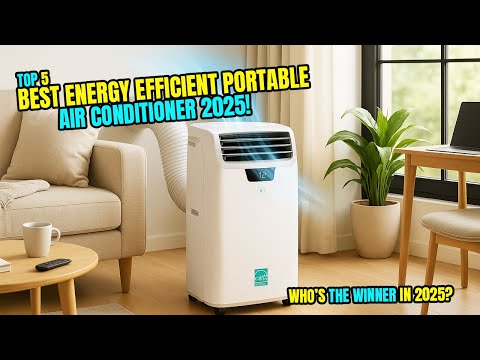
Comparison Table: Top Air Conditioning Energy Savers
| Product / Device | Type | Key Feature | Estimated Savings | Price Range |
| Nest Learning Thermostat | Smart Thermostat | AI learning, remote control | 10–15% on cooling | $100–$250 |
| Ecobee SmartThermostat | Smart Thermostat | Room sensors, Alexa built-in | 12–23% on cooling | $150–$250 |
| AC Saver Module | Energy Saver Controller | Compressor fan cycling | 15–30% on electricity | $30–$80 |
| TP-Link Kasa Smart Plug | Smart Power Strip | Real-time monitoring, scheduling | 5–10% on standby waste | $15–$35 |
| Honeywell Home T9 | Smart Thermostat | Geofencing, remote room sensors | 10–12% on cooling | $100–$180 |
Benefits of Using an Air Conditioning Energy Saver
The advantages of incorporating an energy saver into your cooling strategy extend well beyond just lowering your monthly electricity bill. Here are the most compelling benefits:
- Significant Electricity Bill Reduction: Depending on your climate, current AC efficiency, and usage patterns, energy savers can cut cooling costs by 10 to 30 percent annually. For a household spending $200 per month on AC during summer, that translates to $240 to $720 in savings per season alone.
- Extended Equipment Lifespan: By reducing compressor stress and minimizing unnecessary cycling, energy savers help your AC unit last longer. This means fewer repair calls and a delayed need for costly system replacement.
- Environmental Impact: Lower electricity consumption directly reduces your carbon footprint. With the average home AC system contributing several tons of CO₂ emissions annually, even modest savings contribute meaningfully to environmental conservation.
- Improved Comfort and Convenience: Smart energy savers maintain more consistent temperatures, eliminate hot spots, and adapt to changing conditions in real time — making your home more comfortable while using less energy.
- Increased Property Value: Homes and offices equipped with energy-efficient cooling systems are increasingly attractive to buyers and tenants. An energy-smart AC setup can be a strong selling point in today’s market.
Expert Tips to Maximize Your AC Energy Savings
Simply purchasing an energy saver is not enough. To unlock the full potential of your investment, you need to pair it with smart practices that amplify results. Here are proven strategies from HVAC professionals and energy efficiency experts:
- Set Your Thermostat to 78°F When You Are Home: The Department of Energy recommends this temperature as the sweet spot between comfort and efficiency. Every degree below 78°F increases your cooling costs by approximately 3 to 5 percent.
- Use Ceiling Fans in Conjunction with Your AC: Fans create a wind-chill effect that makes rooms feel up to 4 degrees cooler, allowing you to raise the thermostat without sacrificing comfort.
- Seal Air Leaks and Upgrade Insulation: Even the best energy saver cannot compensate for a poorly sealed home. Weatherstrip doors, caulk windows, and ensure attic insulation meets current recommendations for your climate zone.
- Clean or Replace Your AC Filter Every 30 Days: A clogged filter forces the system to work harder, consuming up to 15 percent more energy than a clean one. This is one of the simplest and most overlooked energy-saving practices.
- Leverage Off-Peak Hours: If your utility offers time-of-use pricing, schedule heavy cooling during off-peak periods. Many smart thermostats and energy savers support automated scheduling for this purpose.
- Conduct Regular HVAC Maintenance: Annual professional tune-ups ensure your system operates at peak efficiency. Technicians clean coils, check refrigerant levels, and identify issues before they become costly problems.
Common Mistakes to Avoid When Using AC Energy Savers
Even the best devices can underperform if used incorrectly. Avoid these common pitfalls:
- Setting the Thermostat Too Low After Coming Home: Cranking the thermostat down does not cool your home faster — it simply forces the compressor to run longer and waste energy. Set your desired temperature and let the system do its job.
- Ignoring Firmware Updates: Smart energy savers receive regular software improvements that enhance efficiency. Keep your devices updated to benefit from the latest optimizations.
- Placing Thermostats Near Heat Sources: A thermostat positioned near a lamp, oven, or electronics will read artificially high temperatures and trigger unnecessary cooling cycles. Install thermostats on interior walls away from direct heat.
- Overlooking Ductwork Leaks: Leaky ducts can waste 20 to 30 percent of conditioned air before it ever reaches your living space. Sealing ducts is one of the highest-impact energy efficiency upgrades you can make.
Conclusion
The conversation around air conditioning energy savers is no longer a niche topic — it is a necessity for anyone who wants to manage rising electricity costs and reduce their environmental impact. Whether you choose a smart thermostat, a dedicated energy saver module, or a combination of strategies, the evidence is clear: smart cooling management delivers real, measurable results. By understanding how these devices work, selecting the right solution for your setup, and pairing technology with disciplined habits, you can enjoy a cooler, more comfortable home while keeping your energy bills under control. The best time to start saving on cooling costs is today — your wallet and the planet will thank you.
Frequently Asked Questions
What is the best air conditioning energy saver for a small apartment?
For small apartments, a smart thermostat like the Nest Mini or Ecobee SmartThermostat offers the best balance of affordability and functionality. These devices provide scheduling, remote control, and energy reports tailored to smaller spaces without unnecessary complexity.
Do AC energy saver devices really work, or is it marketing hype?
Credible air conditioning energy savers backed by third-party testing and user reviews do deliver measurable savings. Look for devices with ENERGY STAR certification or verified independent testing data. Avoid products making exaggerated claims without evidence.
Can I install an air conditioning energy saver myself, or do I need a professional?
Many energy savers, including smart thermostats and AC saver modules, are designed for DIY installation and come with detailed instructions. However, if your electrical system is complex or your AC unit requires specialized wiring, consulting a licensed HVAC technician is recommended for safety and optimal performance.
How much can I save on electricity bills with an air conditioning energy saver?
Most users report savings of 10 to 30 percent on their cooling electricity bills, depending on their climate, existing system efficiency, and usage patterns. The U.S. Department of Energy estimates that smart thermostats alone can save the average household approximately $100 to $150 per year.
Are there government rebates or incentives for purchasing AC energy savers?
Yes, many utility companies and federal programs offer rebates for purchasing energy-efficient cooling devices. Check the ENERGY STAR Rebate Finder tool on the official website or contact your local utility provider to discover available incentives in your area.