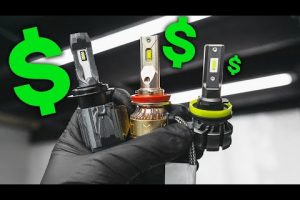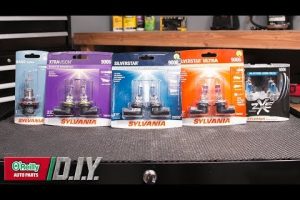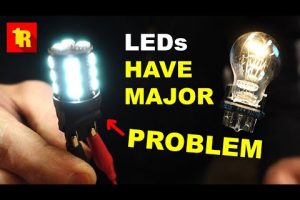



If you have been researching ways to upgrade your vehicle’s lighting system, you have likely stumbled across the term automotive LED headlights. These modern lighting solutions have rapidly transformed the aftermarket car lighting industry, and for good reason. Whether you are driving a compact sedan, a rugged SUV, or a high-performance truck, upgrading to LED headlight technology can dramatically improve your nighttime visibility, energy efficiency, and overall driving safety. In this comprehensive guide, we will walk you through everything you need to know about LED headlights for automotive applications — from how they work and what to look for when buying, to installation tips, compatibility considerations, and expert recommendations backed by real-world testing.
What Are Automotive LED Headlights and How Do They Work?
Automotive LED headlights use light-emitting diodes to produce a bright, focused beam of illumination. Unlike traditional halogen bulbs that rely on a heated filament, LEDs generate light through a semiconductor process that is far more efficient and durable. The result is a crisp, white beam that closely mimics daylight, giving drivers superior clarity on dark roads, in adverse weather, and during off-road driving conditions. When shopping for LED headlight bulbs, you will often encounter terms like LED headlight conversion kit, LED projector headlights, and COB LED headlight bulbs. Each of these refers to a slightly different design approach, but the underlying technology remains the same.
The core advantage of LED technology lies in its energy consumption. A standard halogen headlight draws around 55 to 65 watts per bulb, while an equivalent LED headlight typically operates between 20 and 40 watts. This reduction in power draw places less strain on your vehicle’s electrical system and can even contribute to a slight improvement in fuel economy over time.
Key Differences Between LED, Halogen, and HID Headlights
Before making a purchase decision, it is essential to understand how LED headlights compare to the other two dominant headlight technologies on the market.
| Feature | Halogen | HID / Xenon | LED |
| Brightness (Lumens) | 700–1,200 | 2,000–8,000 | 2,000–6,000 |
| Color Temperature | 3,000–3,500K | 4,300–6,000K | 5,000–6,500K |
| Lifespan (Hours) | 450–1,000 | 2,000–5,000 | 30,000–50,000 |
| Power Draw (Per Bulb) | 55–65W | 35–55W | 20–40W |
| Warm-Up Time | Instant | 5–10 seconds | Instant |
| Average Price Range | $10–$30 | $50–$150 | $30–$200 |
As you can see from the comparison above, LED headlights for cars strike an excellent balance between performance, longevity, and cost. While HID bulbs can deliver higher raw lumens, they suffer from a noticeable warm-up delay and tend to be more fragile. Halogen bulbs are the cheapest option but fall significantly short in both brightness and lifespan.
Benefits of Upgrading to LED Headlights
The growing popularity of automotive LED headlights is not just a marketing trend. There are tangible, measurable benefits that make the upgrade worthwhile for most drivers. Here is a detailed breakdown of what you can expect:
- Superior Visibility: LED headlight bulbs produce a focused, directional beam pattern that illuminates the road ahead more effectively than halogen alternatives. Many premium LED models deliver up to 6,000 lumens per pair, which translates to significantly better road coverage at highway speeds.
- Instant Full Brightness: Unlike HID systems that require several seconds to reach full output, LEDs reach maximum brightness the instant you switch them on. This matters enormously for quick flash-to-brake reactions and short-duration high beam usage.
- Energy Efficiency: Drawing as little as 20 watts per bulb, LED headlights reduce the electrical load on your alternator and battery, which is particularly beneficial for older vehicles or those with additional aftermarket electrical accessories.
- Exceptional Longevity: With a rated lifespan of 30,000 to 50,000 hours, quality LED headlight bulbs can last the entire remaining life of your vehicle without needing replacement.
- Modern Aesthetic Appeal: LED headlights give your vehicle a contemporary, aggressive look that enhances curb appeal. Many OEM manufacturers now use LED technology as a standard or premium feature, meaning an upgrade helps your vehicle look more current.
- Lower Long-Term Costs: Although the upfront cost of an LED conversion kit may be higher than a halogen replacement, the extended lifespan and reduced energy consumption mean you save money over time.
How to Choose the Best LED Headlights for Your Vehicle

Not all LED headlight bulbs are created equal, and choosing the wrong one can lead to poor beam patterns, blinding oncoming traffic, or even error codes on your dashboard. Here are the critical factors to evaluate before buying.
1. Beam Pattern and Chip Design
The most important quality of any LED headlight bulb is its beam pattern. A well-designed bulb should project a sharp cutoff line that lights up the road without glaring into the eyes of opposing drivers. COB (Chip on Board) LED designs tend to offer wider, more uniform beam spread, while individual high-powered LED chips can provide more concentrated distance illumination. When reading LED headlight reviews, pay close attention to beam pattern photos and videos rather than just lumen claims.
2. Color Temperature
LED headlight color temperature is measured in Kelvin (K). Most automotive LED headlights fall within the 5,000K to 6,500K range. A 5,000K bulb produces a clean white light with optimal visibility, while 6,000K and above introduce a slight blue tint that some drivers prefer for aesthetics but which can slightly reduce contrast in foggy or rainy conditions. For the best all-around performance, 5,500K to 6,000K is generally considered the sweet spot.
3. Compatibility and Plug-and-Play Fitment
Before ordering an LED headlight conversion kit, confirm the bulb base type for your vehicle. Common bases include H1, H4, H7, H11, 9005, 9006, D1S, D2S, and many others. Premium LED bulbs are designed to be plug-and-play replacements, meaning no wiring modifications are needed. However, some vehicles — particularly those with CANBUS systems — may require an additional decoder or resistor to prevent flickering or error messages.
4. Heat Management
LED chips generate heat, and without proper dissipation, their lifespan and brightness will degrade rapidly. Look for LED headlights equipped with aluminum heatsinks and high-speed cooling fans. Some models use passive copper heat pipe technology, which requires no fans and therefore produces zero noise — a significant advantage for those who value a quiet cabin experience.
Installation Tips for LED Headlight Upgrades
Installing automotive LED headlights is one of the more straightforward DIY automotive upgrades you can perform. Most kits come with detailed instructions and require only basic hand tools. That said, there are a few expert tips that can save you time and frustration:
- Always disconnect the battery before beginning any electrical work on your vehicle to prevent short circuits or damage to the vehicle’s computer system.
- Handle the bulbs with gloves or a clean cloth. Oils from your skin can create hot spots on the LED chip, leading to premature failure.
- Test the bulbs before fully installing them. Connect them to the vehicle’s socket temporarily to verify proper operation and beam pattern alignment.
- Adjust the headlight aim after installation. Even the best LED bulb will perform poorly if it is not properly aligned. Use a flat wall or garage door and adjust the vertical and horizontal aim screws accordingly.
- Check local regulations. In some regions, aftermarket LED headlight conversions may not meet DOT or ECE lighting standards. Ensure your upgrade complies with local laws to avoid fines or failed inspections.
Top LED Headlight Brands to Consider in 2024
The LED headlight market is crowded with options, but a handful of brands have earned consistent recognition for quality, performance, and reliability. Brands such as Auxbeam, SEALIGHT, SNGLR, Beamtech, and XGIMI have built strong reputations among automotive enthusiasts and everyday drivers alike. When evaluating options, prioritize brands that offer at least a two-year warranty, use CSP (Chip Scale Package) LED technology for maximum brightness in a compact footprint, and provide clear beam pattern documentation.
Common Mistakes to Avoid When Buying LED Headlights

- Chasing the highest lumen number: A bulb claiming 20,000 lumens may look impressive on paper, but without proper optics, all that light gets wasted in glare rather than illuminating the road.
- Ignoring error codes: Many modern vehicles use CANBUS technology to monitor bulb function. Non-CANBUS-compatible LED bulbs can trigger dashboard warning lights.
- Skipping the heatsink: Budget LED bulbs without adequate cooling will overheat, dim, and fail prematurely — sometimes within weeks.
- Poor beam pattern alignment: Even the most expensive LED bulb will blind oncoming traffic if the aim is not correctly adjusted after installation.
Are Automotive LED Headlights Worth the Upgrade?
Without question, yes. Upgrading to LED headlights is one of the highest-impact improvements you can make to your vehicle’s safety and functionality. The combination of instant full brightness, exceptional energy efficiency, long lifespan, and superior beam quality makes LED technology the clear choice over aging halogen systems. Whether you are looking for a budget-friendly LED headlight bulb or a premium kit with advanced thermal management, there is an option available for virtually every vehicle and price point on the market today.
Frequently Asked Questions

1. Can I replace halogen headlights with LED bulbs directly?
In most cases, yes. Many LED headlight bulbs are designed as direct bolt-in replacements for halogen sockets. However, you should verify your vehicle’s socket type and check whether your car’s CANBUS system requires a decoder or resistor to prevent error codes and flickering.
2. How long do automotive LED headlights last?
High-quality automotive LED headlights typically last between 30,000 and 50,000 hours of operation. This means that if you drive an average of two hours per night, a set of LED bulbs could last 15 to 25 years before needing replacement — far outlasting halogen and HID alternatives.
3. Do LED headlights get hot, and do they need a fan?
LED chips do generate heat, which is why proper heatsink design is critical. Some LED headlights use active cooling fans for maximum heat dissipation, while others rely on passive copper heat pipe technology for silent, maintenance-free operation. Both approaches are effective when designed well.
4. Are LED headlights street legal in all states?
LED headlight bulbs themselves are generally legal, but the compliance depends on whether the bulb meets federal or state lighting standards for beam pattern, color temperature, and intensity. Always ensure your LED headlights produce a proper cutoff pattern and fall within the 4,300K to 6,000K range for maximum road legality and safety.
5. What is the best color temperature for LED headlights?
The optimal color temperature for automotive LED headlights is between 5,500K and 6,000K. This range produces a clean white light that maximizes contrast and visibility in most driving conditions, including rain, fog, and nighttime highway driving, without the blue-heavy tint that can reduce clarity in adverse weather.
6. Will LED headlights improve my fuel economy?
The improvement is modest but real. Because LED headlights consume significantly less power than halogen bulbs — typically 20 to 40 watts compared to 55 to 65 watts — your vehicle’s alternator and electrical system experience less load. Over thousands of miles, this small reduction in parasitic draw can contribute to marginal fuel savings.