If you have ever fumbled around your garage in the dark, struggling to find your keys while navigating a sea of clutter, you already understand why garage outdoor lights are one of the most overlooked yet impactful home upgrades you can make. Properly illuminating the exterior of your garage does far more than just improve visibility—it enhances curb appeal, deters intruders, reduces trip hazards, and even elevates the overall aesthetic of your property. Whether you are a homeowner tackling a weekend DIY project or someone looking to invest in a more professional-grade lighting solution, this guide covers everything you need to know about selecting, installing, and optimizing garage outdoor lighting for maximum impact.
Why Garage Outdoor Lights Are Essential for Your Home
The garage is one of the most frequently used yet underappreciated spaces in any home. It serves as a workshop, storage area, vehicle shelter, and often the primary entry point to your property. Without adequate outdoor lighting for garage, this critical zone remains dim, unwelcoming, and potentially dangerous after sunset. Beyond safety, well-designed exterior garage lighting significantly boosts your home’s curb appeal, which matters whether you live in a suburban neighborhood or an urban setting. Studies consistently show that homes with professionally lit exteriors sell faster and at higher prices than those left in shadow.
Security is another major driver. A brightly lit garage perimeter makes it exponentially harder for opportunistic burglars to approach unnoticed. Motion-activated fixtures, in particular, serve a dual purpose—they startle intruders and alert you to movement near your property. Investing in the right garage exterior lighting ideas is not just about aesthetics; it is about protecting your family, your vehicles, and your belongings.

Types of Garage Outdoor Lights Available
The market for garage outdoor lighting has exploded in recent years, giving homeowners more options than ever. Understanding the different categories helps you make an informed decision based on your specific needs, budget, and aesthetic preferences.
1. Wall-Mounted Sconces
Wall-mounted sconces are the most common choice for garage exteriors. They mount directly onto the garage wall, providing directed illumination near the entry point or along walkways. Available in styles ranging from industrial to contemporary, sconces are versatile and relatively easy to install. LED garage wall sconces have become the go-to option due to their energy efficiency and long lifespan.
2. Floodlights and Spotlights
If your primary goal is maximum visibility, floodlights and spotlights are hard to beat. These powerful fixtures cast a wide or focused beam across large areas, making them ideal for illuminating the entire garage facade, driveway, and surrounding yard. Modern LED floodlights for garages come with adjustable beam angles and brightness levels, allowing you to customize coverage.
3. Motion-Sensor Lights
Motion-activated garage lights add an intelligent layer of functionality. They conserve energy by only turning on when someone approaches and serve as a security deterrent. Many models now include adjustable sensitivity settings, programmable timer durations, and even smartphone connectivity for remote control.
4. Pendant and Post-Mounted Lights
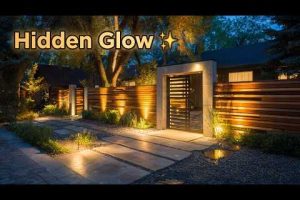
For homeowners who want to make a style statement, pendant lights and post-mounted fixtures offer a more decorative approach. These are particularly popular for detached garages or garage courts where the structure doubles as a social or entertainment space. Think of them as the outdoor equivalent of a statement chandelier.
5. Solar-Powered Lights
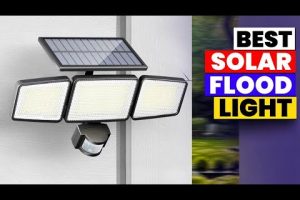
Solar garage lights are gaining traction among eco-conscious homeowners. They require no wiring and harness renewable energy during the day. While they may not match the brightness of hardwired LED options, they are excellent for supplemental lighting along pathways or as accent lights around the garage perimeter.
How to Choose the Right Garage Outdoor Lighting
Selecting the best garage outdoor lights involves evaluating several critical factors. Here is a breakdown to guide your decision-making process:
- Brightness (Lumens): For general garage exterior illumination, aim for fixtures producing between 1,500 and 3,000 lumens. Task areas like workshop zones near the garage door may require 4,000 lumens or more.
- Color Temperature: Choose between 3,000K (warm white) for a cozy ambiance or 4,000K–5,000K (cool white/daylight) for maximum visibility and a modern look. Daylight temperatures are generally recommended for security and task lighting.
- Weather Rating (IP Score): Always check the Ingress Protection rating. An IP65 or higher ensures the fixture is dust-tight and protected against water jets, which is essential for exposed outdoor installations.
- Energy Efficiency: LED fixtures consume a fraction of the electricity compared to traditional halogen or incandescent bulbs and last up to 25,000 hours or more.
- Design and Style: Match your lighting fixtures to the architectural style of your home. Modern homes pair well with sleek, minimal fixtures, while traditional or craftsman-style homes benefit from vintage-inspired designs.
Installation Tips and Best Practices

Proper installation makes all the difference between mediocre lighting and a truly effective system.
Positioning Your Fixtures
Mount wall sconces at approximately 6 to 7 feet above ground level, positioned to eliminate shadows near the garage door entry. For floodlights, angle the fixtures downward at roughly 45 degrees to maximize coverage without creating glare that blinds you when you pull into the driveway. Avoid placing lights directly above the garage door center, as this creates harsh shadows on the ground directly in front of the door.
Wiring and Electrical Considerations
If you are installing hardwired fixtures, always turn off the circuit breaker before beginning any electrical work. Use outdoor-rated conduit and weatherproof junction boxes to protect connections from moisture. For those who are not comfortable with electrical work, hiring a licensed electrician is a worthwhile investment that ensures safety and code compliance.
Smart Lighting Integration
Many modern garage lights are compatible with smart home ecosystems like Amazon Alexa, Google Home, and Apple HomeKit. You can schedule lights to turn on at dusk, adjust brightness remotely, and set automation routines that integrate with other security devices like cameras and doorbell sensors.
Top Garage Outdoor Light Recommendations Compared
To help you narrow down your options, here is a comparison of popular garage lighting categories based on key performance metrics:
| Fixture Type | Avg. Lumens | Color Temp Range | Energy Use | Best For |
| LED Wall Sconce | 1,500 – 3,000 | 3,000K – 5,000K | Low (10–20W) | Entryway lighting, accent |
| LED Floodlight | 3,000 – 8,000 | 4,000K – 6,000K | Medium (20–50W) | Full garage facade illumination |
| Motion-Sensor Light | 2,000 – 5,000 | 3,000K – 5,000K | Low-Medium | Security and automation |
| Pendant/Post Light | 800 – 2,000 | 2,700K – 4,000K | Low (5–15W) | Decorative and ambient |
| Solar Light | 200 – 800 | 3,000K – 5,000K | None (solar) | Supplemental path lighting |
Expert Tips for Maximizing Your Garage Outdoor Lighting
Even the best fixtures will underperform if they are not deployed strategically. Here are some expert recommendations that separate amateur setups from professional-grade results:
- Layer your lighting: Combine ambient, task, and accent lighting for a balanced and functional exterior. Use a floodlight for ambient coverage, a wall sconce near the entry for task visibility, and LED strip lights or solar stakes for accent illumination along garden beds or pathways.
- Use diffusers and shields: Direct, unshielded light creates harsh glare and light pollution. Fixtures with frosted lenses or directional shields direct light exactly where you need it while reducing eye strain.
- Consider color rendering: Look for a high CRI (Color Rendering Index) rating, ideally 80 or above. Higher CRI means colors appear more natural under the light, which matters when you are working in your garage workshop or unloading groceries.
- Upgrade bulbs, not just fixtures: If your existing fixtures are in good shape, swapping in an LED bulb is one of the fastest and most cost-effective lighting upgrades you can make. Look for bulbs rated for outdoor use with appropriate IP ratings.
- Clean fixtures regularly: Dirt, cobwebs, and debris accumulate on outdoor light fixtures over time, reducing brightness by up to 30%. A quick wipe-down every few months keeps your lighting performing at peak levels.
Garage Outdoor Lighting Trends for 2024 and Beyond
The landscape of exterior lighting is evolving rapidly. Smart garage lights with integrated cameras, built-in speakers, and app-based controls are becoming increasingly popular among tech-savvy homeowners. Human-centric lighting, which adjusts color temperature throughout the day to match natural circadian rhythms, is another emerging trend that brings both comfort and functionality to garage exteriors. Additionally, fixture designs are leaning heavily into industrial and minimalist aesthetics, with matte black, brushed nickel, and warm copper finishes dominating the market.
Frequently Asked Questions
What is the best type of garage outdoor light for security? Motion-activated LED floodlights are widely regarded as the most effective garage outdoor lights for security purposes. They startle intruders, illuminate the area instantly upon detection, and consume minimal energy. For maximum coverage, choose a fixture with a wide detection range and adjustable sensitivity settings.
How bright should garage outdoor lights be? For general garage exterior illumination, fixtures producing 1,500 to 3,000 lumens are sufficient. If you need bright task lighting for a garage workshop or for full driveway coverage, aim for 4,000 to 8,000 lumens from LED floodlights or high-output wall fixtures.
Can I install garage outdoor lights myself? Yes, if you are replacing existing fixtures or installing plug-in or solar-powered lights, most homeowners can handle the job themselves. However, hardwired installations require working with household electrical systems, and hiring a licensed electrician is recommended if you are not experienced with electrical wiring and local building codes.
What color temperature is best for garage exterior lighting? Cool white light in the 4,000K to 5,00K range is generally the best choice for garage exteriors because it provides excellent visibility, mimics daylight, and enhances security. Warm white 3,000K is better suited for creating an inviting ambiance near entry points or decorative post-mounted fixtures.
How do I weatherproof my garage outdoor lights? Choose fixtures with an IP65 rating or higher for reliable protection against rain, dust, and humidity. Ensure all electrical connections are housed inside weatherproof junction boxes, use outdoor-rated wiring and conduit, and seal any gaps around mounting points with silicone caulk to prevent moisture intrusion.
Final Thoughts
Garage outdoor lights are far more than a simple utility—they are a gateway to a safer, smarter, and more visually appealing home exterior. From choosing the right fixture type and brightness level to positioning them strategically and integrating smart technology, every decision you make contributes to the overall effectiveness and ambiance of your garage’s exterior lighting. Whether you are starting with a basic wall sconce upgrade or building a comprehensive multi-fixture system, the key is to prioritize quality, durability, and thoughtful design. Take the time to assess your specific needs, experiment with placement, and invest in fixtures that deliver both form and function. Your garage—and everyone who approaches it—deserves the best lighting you can provide.