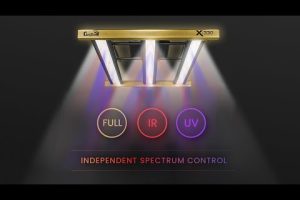
Full spectrum LED light bulbs have become one of the most talked-about innovations in modern lighting technology. Whether you are a homeowner looking to create a more comfortable living environment, a professional seeking better productivity at your desk, or a hobbyist growing plants indoors, these bulbs deliver a level of light quality that traditional LEDs simply cannot match. Unlike standard bulbs that emit a narrow slice of the visible light spectrum, full spectrum LED bulbs replicate the natural sunlight rainbow of wavelengths, providing a balanced and comprehensive light output. This guide dives deep into everything you need to know about full spectrum lighting, from the science behind it to practical buying recommendations and expert tips that will help you make the most informed decision for your space.
What Exactly Is a Full Spectrum LED Light Bulb?
A full spectrum LED light bulb is designed to emit light across the entire visible electromagnetic spectrum, closely mimicking the natural output of the sun. The term “full spectrum” refers to the bulb’s ability to produce wavelengths spanning from ultraviolet (UV) through visible light and into the infrared range, though most consumer products focus heavily on the visible band. In practical terms, this means the light appears natural, balanced, and free of the harsh color casts that cheap LED bulbs often produce.
The key metric that separates full spectrum bulbs from standard LEDs is the Color Rendering Index (CRI). A CRI of 90 or above is generally considered full spectrum territory, with the best bulbs reaching CRI ratings of 95 to 98. On the CRI scale, a perfect score of 100 represents natural sunlight. Another critical specification is the correlated color temperature (CCT), which determines whether the light appears warm, neutral, or cool. High-quality full spectrum LED bulbs typically offer CCT options ranging from 2700K (warm sunlight) to 6500K (bright daylight).
Key Benefits of Switching to Full Spectrum Lighting
Making the switch to full spectrum LED light bulbs is about more than just aesthetics. The benefits span health, productivity, visual comfort, and even plant care. Here is a closer look at why so many people are making the change.
Health and Circadian Rhythm Support
Your body’s internal clock, known as the circadian rhythm, relies heavily on light exposure to regulate sleep-wake cycles, hormone production, and mood. Standard artificial lighting often lacks the balanced wavelengths needed to properly signal your brain about the time of day. Full spectrum LEDs, especially those with adjustable color temperature, can support healthy circadian rhythm alignment by providing blue-enriched light during the day and warmer tones in the evening.
Reduced Eye Strain and Visual Comfort
One of the most immediately noticeable differences when using full spectrum bulbs is the reduction in eye strain. Because these bulbs produce light that closely resembles natural sunlight, your eyes do not have to work as hard to process the colors in your environment. This makes them ideal for long reading sessions, office work, and detailed craft or design tasks.
Superior Color Accuracy
Artists, photographers, designers, and even homeowners who care about interior aesthetics will appreciate the way full spectrum lighting renders colors. Every hue, shade, and tone appears true-to-life under a high-CRI full spectrum bulb, eliminating the dull or washed-out look that lower-quality LEDs create.
Enhanced Indoor Plant Growth
For anyone interested in indoor gardening, full spectrum LED bulbs that include wavelengths in the blue and red ranges can support photosynthesis effectively. While they are not a replacement for dedicated grow lights, they serve as excellent supplementary lighting for houseplants and herbs that need a broader light profile to thrive.
Full Spectrum LED vs. Standard LED Bulbs: A Side-by-Side Comparison
Understanding the differences between full spectrum and conventional LED bulbs is essential for making a smart purchase. The table below highlights the most important distinctions.
| Feature | Full Spectrum LED | Standard LED |
| Color Rendering Index (CRI) | 90–98 | 80–85 |
| Spectral Coverage | Broad, balanced across visible spectrum | Narrow, peaks at specific wavelengths |
| Color Temperature Range | 2700K to 6500K (often tunable) | Fixed, typically 3000K or 5000K |
| Eye Comfort | Excellent, mimics natural sunlight | Moderate, may cause strain over time |
| Mood and Productivity Impact | Significantly positive | Neutral to mildly positive |
| Typical Price Range | $10–$35 per bulb | $2–$8 per bulb |
| Best For | Health-focused spaces, art, gardening | General illumination, budget setups |
While full spectrum bulbs carry a higher upfront cost, the long-term benefits in comfort, health, and visual accuracy make them a worthwhile investment for any space where you spend significant time.

Important Specifications to Consider Before Buying
Not every bulb marketed as “full spectrum” delivers the same quality. To avoid being misled by marketing language, pay close attention to these specifications.
- CRI Rating: Look for a minimum CRI of 90. Bulbs rated above 95 deliver near-perfect color accuracy and are ideal for creative or detail-oriented work.
- Color Temperature Options: The best full spectrum LED light bulbs offer adjustable or selectable color temperatures, allowing you to shift from warm evening light to cool daylight throughout the day.
- Flicker-Free Operation: Cheap LEDs can produce invisible flickering that causes headaches and fatigue. Quality full spectrum bulbs use advanced drivers to eliminate this issue entirely.
- Beam Angle: Wider beam angles (90 degrees or more) provide more even room illumination, while narrower angles work better for task lighting and spot applications.
- Dimmability: Not all full spectrum bulbs support dimming. If you plan to use them with a dimmer switch, verify compatibility before purchasing.
- Lifespan and Warranty: Premium full spectrum LEDs often come with longer rated lifespans and manufacturer warranties, reflecting the higher quality components used.
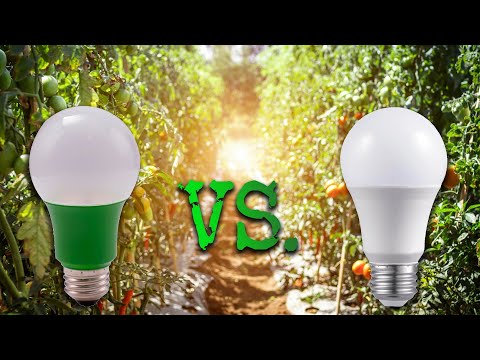
Best Uses for Full Spectrum LED Light Bulbs
Home Offices and Workspaces
Working under full spectrum daylight LED bulbs can dramatically improve focus and reduce the fatigue that comes from staring at screens in poorly lit rooms. The balanced light output keeps you alert during the day without the overstimulation that harsh fluorescent tubes cause.
Living Rooms and Bedrooms
In relaxation areas, full spectrum bulbs set in a warm color temperature (around 2700K–3000K) create an inviting atmosphere that feels closer to golden-hour sunlight. This is especially beneficial in the evening when your body naturally starts winding down for sleep.
Art Studios, Studios, and Craft Rooms
Color accuracy is non-negotiable in creative spaces. A full spectrum bulb with a CRI of 95 or higher ensures that the colors you see on your canvas, fabric, or digital screen are as true as possible to their real-world appearance.
Indoor Gardening and Plant Shelves
While dedicated grow lights remain the gold standard for plants that flower or fruit indoors, full spectrum LED bulbs provide an excellent broad-spectrum light source for foliage plants, succulents, and herbs on windowsills or grow shelves where natural light is limited.
Expert Tips for Maximizing the Value of Full Spectrum Lighting
To get the most out of your full spectrum LED light bulbs, consider these practical recommendations from lighting professionals.
- Layer your lighting: Combine overhead full spectrum bulbs with task lamps and accent lighting to create depth and dimension in a room.
- Match the bulb to the time of day: Use cooler, blue-enriched full spectrum light in the morning and early afternoon, then switch to warmer tones in the evening to support your natural melatonin production.
- Position bulbs at the right height: For task lighting, place bulbs at eye level or slightly above to reduce glare and ensure even coverage across your workspace.
- Do not overload a single fixture: Even high-quality full spectrum LEDs can create harsh conditions if too many are crammed into one fixture. Spread them out for a softer, more natural effect.
- Clean bulbs regularly: Dust accumulation on LED bulbs can reduce light output and alter the color quality, diminishing the benefits of full spectrum technology.
Frequently Asked Questions About Full Spectrum LED Light Bulbs
What does full spectrum light mean for eye health?
Full spectrum light provides a balanced distribution of wavelengths that closely matches natural sunlight, reducing the strain caused by artificial lighting that peaks at narrow wavelengths. This balanced output helps minimize digital eye strain, dryness, and fatigue, especially during prolonged screen use or reading sessions.
Can full spectrum LED bulbs help with seasonal affective disorder (SAD)?
Yes, full spectrum bulbs that emit bright, blue-enriched light in the 5000K to 6500K range can help compensate for reduced natural sunlight during darker months. While they are not a replacement for clinically prescribed light therapy boxes, they can supplement your daily light exposure and support mood regulation.
Are all bulbs labeled “full spectrum” actually full spectrum?
Not necessarily. The term “full spectrum” is not strictly regulated in the lighting industry, which means some manufacturers use it loosely. Always check the CRI rating, spectral output data, and independent reviews before trusting a “full spectrum” claim.
Do full spectrum LED bulbs cost more to run than standard LEDs?
No. Full spectrum LED bulbs consume the same or similar wattage as their standard counterparts, so your electricity costs remain comparable. The difference is in the quality and breadth of light output, not energy consumption.
Can I use full spectrum bulbs for growing plants indoors?
Absolutely. Full spectrum LED bulbs that cover both the blue and red wavelength ranges provide sufficient light for most indoor houseplants and herbs. For plants with higher light demands, such as flowering species, dedicated grow lights remain the better choice.
What color temperature is best for a full spectrum bulb in a home office?
For a home office, a color temperature between 4000K and 5000K strikes the ideal balance between alertness and comfort. This range provides cool, daylight-like illumination that enhances focus without the harshness of 6500K bulbs, which can feel overly clinical over long work periods.
Conclusion
Full spectrum LED light bulbs represent a significant leap forward in how we think about artificial lighting. By delivering a balanced, sun-like spectrum of light with high color rendering and comfortable color temperatures, they address real concerns about eye health, circadian rhythm disruption, and visual quality that standard LEDs leave unaddressed. Whether you are upgrading a single desk lamp or outfitting an entire home with daylight LED bulbs, the investment in full spectrum lighting pays dividends in comfort, productivity, and well-being. Choose bulbs with verified high CRI ratings, adjustable color temperature options, and flicker-free operation, and you will immediately notice the difference in every room you illuminate.