


Lighting is one of the most overlooked yet transformative elements in any home. Whether you are renovating a single room or redesigning your entire living space, choosing the best house lighting can completely change the mood, functionality, and even the perceived size of every room. The right lighting setup does more than just illuminate a space—it sets the tone for how you live, work, relax, and entertain. But with so many options available, from smart bulbs and recessed cans to pendant lights and LED strips, figuring out the ideal configuration can feel overwhelming. This guide breaks down everything you need to know, from foundational lighting principles to room-specific recommendations that real homeowners and interior designers swear by.
Why Proper House Lighting Matters More Than You Think
Lighting affects your circadian rhythm, productivity, emotional well-being, and even energy bills. Poorly lit spaces can make a large home feel cramped and a beautiful room feel flat. On the other hand, a well-layered lighting plan adds depth, warmth, and visual interest to every corner of your house. Research consistently shows that the right ambient lighting improves sleep quality, while focused task lighting reduces eye strain during reading or cooking. The key is understanding that house lighting is not a one-size-fits-all solution—it is a combination of layers, temperatures, and placements working together.
When homeowners ask me what the single biggest mistake is, the answer is almost always the same: relying on a single overhead light source. That harsh central fixture creates shadows, washes out wall colors, and eliminates any sense of atmosphere. The best approach is layering, which I will explain in detail below.
Types of House Lighting: The Three Essential Layers
Every professional lighting design uses three core layers. Understanding these will immediately elevate your home’s look and function.
1. Ambient Lighting (General Illumination)
This is the base layer that fills a room with soft, even light. Common sources include ceiling-mounted fixtures, chandeliers, recessed downlights, and large pendant lights. Ambient lighting ensures you can navigate a room safely and comfortably without harsh glare.
2. Task Lighting
Task lighting focuses light where you need it most—in the kitchen prep area, a home office desk, a reading nook, or a bathroom vanity. Think under-cabinet LED strips, adjustable desk lamps, and vanity bar lights. These fixtures reduce eye fatigue and improve precision in detail-oriented activities.
3. Accent Lighting
Accent lighting adds drama and visual depth. It highlights artwork, architectural details, bookshelves, or outdoor landscaping. Track lights, wall sconces, and picture lights are popular choices. This layer is what separates a nicely lit house from a professionally designed one.
Best Bulb Technologies Compared
Not all bulbs are created equal. The technology you choose impacts energy efficiency, lifespan, color quality, and long-term cost. Here is a straightforward comparison of the most popular options on the market today.

| Technology | Lifespan | Energy Use | Color Quality | Best For |
| LED | 15,000–50,000 hrs | Very Low | Excellent (high CRI options) | Every room in the house |
| CFL | 8,000–15,000 hrs | Low | Good | Budget-friendly general lighting |
| Halogen | 2,000–4,000 hrs | Moderate | Very Good (natural white) | Showpiece fixtures and accent lights |
| Incandescent | 750–2,000 hrs | High | Warm, familiar glow | Vintage or decorative setups |
LED bulbs are the clear winner for best house lighting in 2024 and beyond. They consume up to 80 percent less energy than incandescent alternatives, last significantly longer, and now offer excellent color rendering with CRI ratings of 90 or above. If you are still using older bulb technologies in your home, upgrading to LEDs is the single highest-impact change you can make.
Color Temperature and CRI: The Hidden Factors That Change Everything
Color temperature, measured in Kelvin (K), determines whether your light feels warm and cozy or cool and clinical. Correlated Color Temperature (CCT) is the technical term you will see on bulb packaging. Here is how to think about it for your home.
- Warm White (2200K–2700K): Perfect for bedrooms, living rooms, dining areas, and entryways where you want a cozy, inviting glow.
- Neutral White (3000K–3500K): Ideal for kitchens, bathrooms, and home offices. It provides a clean, natural look without being overly sterile.
- Cool White (4000K–5000K): Best for garages, workshops, and utility rooms where alertness and visibility matter most.
Color Rendering Index (CRI) measures how accurately a light source reveals true colors compared to natural sunlight. A CRI of 90 or higher is considered excellent. If you invest in premium LED bulbs with high CRI, your wall colors, furniture finishes, and skin tones will look significantly better than under standard lighting.
Room-by-Room Lighting Recommendations
Every room in your house has unique lighting demands. Here is a practical breakdown of the best house lighting solutions for the most important spaces.
- Living Room: Combine a statement ceiling fixture or recessed downlights for ambient light with floor lamps beside seating areas and a dimmable table lamp on the console. Add LED strip lights behind a media wall for accent depth.
- Kitchen: Use a mix of recessed can lights for general illumination, under-cabinet task lighting for prep surfaces, and a pendant fixture over the island or dining bar. Dimmer switches are essential here.
- Bedroom: Prioritize warm, dimmable light sources. A layered setup with a central fixture, bedside table lamps, and optional closet lighting creates a relaxing retreat.
- Bathroom: Vanity lights flanking the mirror are non-negotiable. Choose fixtures rated damp or wet if near the shower. Add a ceiling fan with integrated LED for ventilation and ambient light.
- Home Office: Task lighting is critical. An adjustable LED desk lamp with dimming and tunable color temperature will protect your eyes during long work sessions.
- Outdoor Spaces: Use solar-powered path lights, wall-mounted lanterns, and floodlights with motion sensors for security. Choose fixtures rated for outdoor wet locations.
Smart Lighting: The Future of Home Illumination
Smart lighting systems have matured significantly, and they are now one of the most exciting areas in home design. Products from brands like Philips Hue, Lutron, and LIFX let you control brightness, color temperature, and even color from your phone, voice assistant, or a wall-mounted panel. You can schedule lights to dim automatically in the evening, create preset scenes for movie night or dinner parties, and even integrate lighting with your home security system.
The biggest advantage of smart home lighting is automation. Instead of thinking about switching lights on and off, you can set scenes that respond to time of day, occupancy, or even your location when you pull into the driveway. For families, this adds an extra layer of convenience and safety—hallway lights can gently guide children to the bathroom at night without blinding them with full brightness.
Expert Tips for Maximizing Your Home Lighting Design
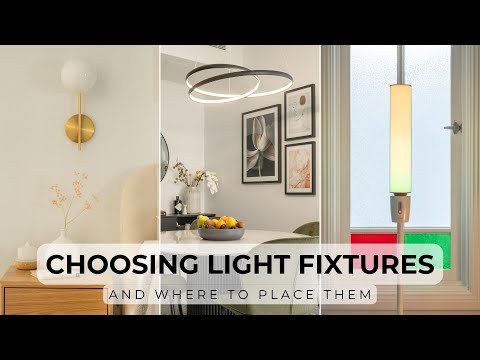
Even the best fixtures will underperform without proper placement and strategy. Here are tips that experienced electricians and interior designers consistently recommend:
- Install dimmers everywhere possible. Dimmers give you control over mood and energy use. They also extend bulb life significantly.
- Layer your light sources in every room. Avoid relying on a single fixture. Combine overhead, wall, and floor-level sources for balanced illumination.
- Position task lights to avoid shadows. For desk work, place the lamp on the opposite side of your dominant hand. For kitchen task lights, mount them at the front edge of the counter.
- Use wall wash fixtures for architectural features. Recessed adjustable sconces and track heads aimed at textured walls create beautiful depth.
- Consider the room’s function first, then the aesthetics. Style matters, but the quality and direction of light should always come first.
- Calculate your lumens, not just watts. Modern LEDs produce far more light per watt. For living rooms, aim for 1,000–2,000 lumens; kitchens need 3,000–4,000 lumens; bathrooms around 3,000 lumens.
Comparison Table: Top Lighting Fixture Types
| Fixture Type | Best Room | Light Output Range | Design Style | Installation Difficulty |
| Recessed Downlight | Living Room, Kitchen | 400–900 lm per fixture | Modern, Minimal | Moderate (requires ceiling access) |
| Pendant Light | Kitchen, Dining | 300–800 lm | Industrial, Contemporary | Easy |
| Chandelier | Dining, Entryway | 1,000–3,000 lm | Traditional, Glam | Easy to Moderate |
| Track Light | Art Gallery Wall, Living | 200–500 lm per head | Modern, Adjustable | Moderate |
| Sconce | Hallway, Bedroom | 150–400 lm | Versatile | Easy |
| Under-Cabinet LED Strip | Kitchen | 200–600 lm per meter | Clean, Hidden | Easy |
Final Thoughts: Building Your Perfect Lighting Plan

Choosing the best house lighting is not about picking the single most expensive or stylish fixture. It is about creating a cohesive system that serves your daily life, enhances your home’s architecture, and adapts to every moment of the day. Start with a clear understanding of each room’s purpose, invest in high-quality LED bulbs with good CRI ratings, layer your light sources, and add smart controls where it makes sense. Even small changes—a pair of dimmable wall sconces, an under-cabinet LED strip, or a smart bulb in the living room fixture—can have an outsized impact on how your home feels and functions.
Take time to plan, experiment with placements, and do not be afraid to adjust. The best lighting designs evolve as your needs change. What matters most is that your home feels welcoming, functional, and beautifully lit every time you walk through the door.
Frequently Asked Questions
What is the best color temperature for house lighting in living rooms?
Warm white between 2200K and 2700K creates a cozy, inviting atmosphere perfect for relaxation and socializing in the living room. It mimics the soft glow of incandescent lighting and complements most interior design styles.
How many lumens do I need per room for proper house lighting?
A good rule of thumb is 20 lumens per square foot for general ambient lighting. Living rooms typically need 1,000–2,000 lumens, kitchens require 3,000–4,000 lumens, and bathrooms should aim for around 3,000 lumens for adequate task visibility.
Are smart bulbs worth the investment for home lighting?
Yes, smart bulbs offer significant advantages in convenience, energy savings, and customization. You can create automated schedules, adjust color temperature throughout the day to support your circadian rhythm, and integrate lighting with voice assistants and home security ecosystems.
What CRI rating should I look for in the best house lighting bulbs?
Choose bulbs with a CRI of 90 or higher for the most accurate and natural color rendering. This is especially important in kitchens, bathrooms, and art display areas where true color representation matters for both functionality and aesthetics.
Can I mix different lighting technologies in one room?
Absolutely. Many professional designers combine LED recessed lights for ambient illumination, halogen or LED pendants for accent and task purposes, and smart bulbs for flexibility. The key is keeping color temperatures consistent within a room to avoid a disjointed look.