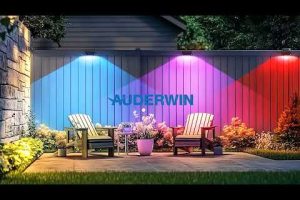



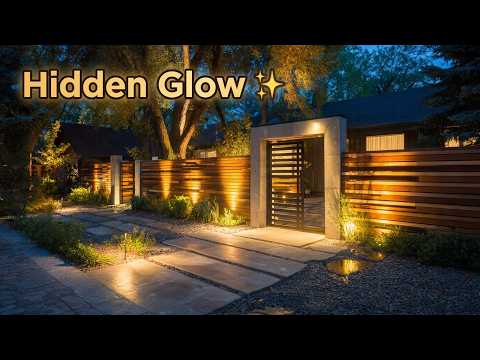

When the sun dips below the horizon and your backyard falls into shadow, the right fence lights can completely transform the look, feel, and functionality of your outdoor space. Whether you want to boost curb appeal, enhance property security, or simply create a warm, inviting atmosphere for evening gatherings, fence-mounted lighting solutions have become one of the most popular upgrades among homeowners and property managers alike. But with so many options available—from solar-powered path lights to hardwired LED fixtures—choosing the right system can feel overwhelming. This comprehensive guide walks you through everything you need to know about fence lights, including types, installation strategies, product comparisons, and expert recommendations that will help you make a confident, informed decision.
What Are Fence Lights and Why Do They Matter?
Fence lights are specialized outdoor lighting fixtures designed to mount directly onto fence posts, panels, or rails. Unlike general-purpose garden spotlights or string lights draped loosely over a backyard, fence lights are engineered with specific mounting hardware and weatherproofing to withstand exposure to rain, wind, UV rays, and temperature fluctuations. They serve a dual purpose by combining functional illumination with decorative enhancement, making them a staple in modern outdoor lighting design.
Whether you have a wooden privacy fence, a vinyl picket fence, or a wrought iron boundary line, there is a fence lighting solution tailored to your specific property type. These fixtures have evolved significantly over the past decade thanks to advancements in LED technology, battery efficiency, and smart home integration. Today’s fence lighting products offer everything from dimmable warmth to motion-activated security triggers, giving homeowners unparalleled control over their exterior ambiance.
Types of Fence Lights You Should Know About
Understanding the different categories of fence-mounted lighting is the first step toward choosing the right product for your space.
- Solar Fence Post Lights: These self-contained units sit atop fence posts and charge during the day using an integrated solar panel. They are among the easiest to install since no wiring is required.
- Hardwired Electric Fence Lights: These fixtures connect directly to your home’s electrical system, providing consistent, bright illumination regardless of weather or season.
- LED Strip Fence Lights: Flexible LED strips that mount along fence rails or under cap rails, offering a modern, seamless glow that is perfect for contemporary designs.
- Low-Voltage Fence Lighting Systems: Operated by a transformer that steps down household voltage to a safer 12V or 24V level, these systems are ideal for large properties with multiple fence lines.
- Motion-Sensor Fence Lights: Equipped with PIR (passive infrared) sensors, these lights activate only when movement is detected, serving both as an aesthetic feature and a security deterrent.
- Bollard and Stake Fence Lights: Freestanding fixtures placed between fence posts or along fence-adjacent pathways, offering soft upward or downward glow patterns.
The Top Benefits of Installing Fence Lights
Investing in quality outdoor fence lighting delivers far more than just a pretty glow. Here are the most compelling reasons homeowners are adding these fixtures to their properties.
- Enhanced Security: A well-lit fence perimeter eliminates dark hiding spots and makes it significantly harder for intruders to approach undetected. Motion-activated options take security a step further by drawing immediate attention to unexpected movement.
- Improved Curb Appeal and Property Value: Strategic lighting highlights architectural details of your fence and landscape, creating a polished, curated look that boosts first impressions and can increase resale value.
- Extended Usable Outdoor Hours: Fence lights illuminate pathways, seating areas, and gathering spots, allowing you to enjoy your backyard well past sunset for entertaining, dining, or relaxation.
- Energy Efficiency: Modern LED and solar-powered fence lights consume a fraction of the energy used by traditional incandescent or halogen fixtures, leading to lower electricity bills over time.
- Directional Control: Unlike overhead floodlights that create harsh shadows, fence-mounted fixtures allow you to aim light precisely where it is needed, reducing light pollution and neighbor disputes.
How to Choose the Right Fence Lights for Your Property
Selecting the perfect fence lighting system requires evaluating several key factors that go beyond just aesthetics. Here is what to consider before making a purchase.
Key Factors to Consider When Buying Fence Lights
- Fence Material Compatibility: Wooden fences often accept post-cap lights or screw-mounted fixtures, while metal and vinyl fences may require clamp-on brackets or rail adapters. Always verify the mounting method before buying.
- Brightness and Color Temperature: Measured in lumens and Kelvin, brightness levels and color temperature dramatically affect mood. Warm white lights (2700K–3000K) create a cozy, intimate feel, while cool white (4000K–5000K) provides a crisp, modern look better suited for security purposes.
- Weather Rating (IP Score): Look for fixtures with an IP65 or higher ingress protection rating to ensure they can handle rain, humidity, and dust without failing.
- Power Source: Your choice between solar, low-voltage electric, and line-voltage should be based on your willingness to install wiring, your local sunlight exposure, and your budget for ongoing energy costs.
- Dimmability and Smart Features: Many modern fence lights support dimming, scheduling, and even voice control through platforms like Alexa or Google Home, adding tremendous convenience and customization.
Installation Tips for Fence Lights

Proper installation is the difference between a fence lighting system that looks professional and one that looks like an afterthought. Whether you are a DIY enthusiast or hiring a licensed electrician, keep these expert tips in mind.
- Plan Your Layout Before Drilling: Walk your fence line and mark every post or mounting point where a light will go. A spacing of 6 to 10 feet between fixtures typically provides even illumination without creating harsh hotspots.
- Check Local Electrical Codes: If you are installing hardwired or low-voltage systems, ensure compliance with local building codes and obtain any necessary permits before beginning work.
- Seal All Connections: Use weatherproof wire connectors and conduit for any exposed wiring to prevent moisture ingress and electrical hazards.
- Position Solar Panels for Maximum Sun: For solar fence lights, ensure the solar panel faces south (in the Northern Hemisphere) and is free from overhanging tree branches or structures that could block sunlight during peak charging hours.
- Test Before Final Mounting: Always power on each fixture and test it in the intended position before permanently securing it to the fence, saving yourself time and frustration later on.
Solar vs. Electric vs. LED Fence Lights: A Comparison
The table below breaks down the most common fence light types across the categories that matter most to homeowners making a purchase decision.
| Feature | Solar Fence Lights | Low-Voltage Electric | Hardwired LED |
| Power Source | Built-in solar panel | 12V/24V transformer | Direct household current |
| Installation Difficulty | Very Easy | Moderate | Advanced |
| Brightness (Typical) | 50–200 lumens | 100–500 lumens | 200–1000+ lumens |
| Ongoing Energy Cost | None | Low | Moderate |
| Weather Dependence | Yes, less effective on cloudy days | No | No |
| Lifespan of Fixture | 2–5 years (battery dependent) | 10–15 years | 15–25 years |
| Best Suited For | Casual ambiance, small yards | Medium to large properties | Maximum brightness and coverage |
Expert Maintenance Tips for Long-Lasting Fence Lights
Even the highest-quality outdoor fence lighting will degrade over time without proper maintenance. Follow these simple practices to keep your fixtures performing at their best for years to come.

- Clean solar panels monthly with a damp cloth to remove dirt, pollen, and bird droppings that can reduce charging efficiency.
- Replace rechargeable batteries in solar lights every 1–2 years, as capacity naturally diminishes over time.
- Inspect wired connections seasonally for signs of corrosion, loose terminals, or chewed wiring from wildlife.
- Adjust LED fixtures that have shifted due to wind or ground settling to maintain precise light direction.
- Apply a silicone-based protectant to metal mounting brackets to prevent rust and extend hardware life.
Frequently Asked Questions About Fence Lights
What are the best fence lights for a wooden privacy fence with no wiring? Solar post cap lights and solar rechargeable stake lights are the ideal choices for wooden privacy fences without existing wiring. Look for models with lithium-ion batteries and an IP65 weather rating to ensure they hold a charge through multiple cloudy days and withstand exposure to rain and humidity without corroding.
How bright should fence lights be for security purposes? For effective security lighting, choose fixtures that deliver at least 300 lumens per light source with a cool white color temperature between 4000K and 5000K. Motion-sensor activated lights are especially effective because they startle intruders and draw attention to activity along your fence line that would otherwise go unnoticed.
Can I install fence lights myself or do I need a professional electrician? Solar fence lights require no electrical expertise whatsoever and can be installed in under 10 minutes per fixture using basic tools. Low-voltage systems are manageable for most DIY homeowners with basic wiring skills, but hardwired 120V/240V fence lights should always be installed by a licensed electrician to ensure code compliance and personal safety.
What is the average cost of installing fence lights along a standard residential perimeter? For a typical quarter-acre residential lot with approximately 100 linear feet of fencing, a solar fence light system with 10–15 fixtures costs between $100 and $300 total including the fixtures. A low-voltage LED system with a transformer ranges from $300 to $800 depending on the number of fixtures and wiring. Hardwired systems with professional installation can run $1,000 to $2,500 or more depending on complexity and local labor rates.
Do fence lights attract insects, and how can I minimize this issue? Traditional incandescent and fluorescent fence lights do attract insects because of UV emission and heat. Modern LED fence lights emit very little UV radiation and produce minimal heat, making them far less attractive to bugs. Look for LED fixtures with a warm amber or yellowish color temperature, as insects are significantly less drawn to these wavelengths compared to bright white or blue-toned light.
Final Thoughts: Making Fence Lights Work for You
Fence lights represent one of the highest-value, highest-impact upgrades you can make to any residential or commercial property. They blend form and function in a way that very few other exterior products can, simultaneously boosting safety, security, aesthetic beauty, and even property marketability. The key is to match your specific needs—whether you prioritize zero-maintenance solar convenience, crisp security-grade brightness, or a warm decorative glow—with the right technology and fixture style. By understanding the range of options available and following the installation and maintenance guidance outlined above, you can confidently create an outdoor space that looks stunning and functions beautifully long after the sun goes down.