


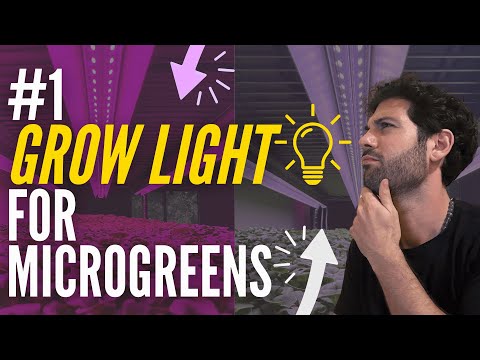
If you are cultivating plants indoors, finding the absolute best LED grow lamp can mean the difference between a mediocre harvest and a record-breaking yield. Traditional High-Intensity Discharge (HID) systems have long been the industry standard, but the shift toward modern horticultural LED technology has fundamentally changed how home growers and commercial cultivators approach indoor gardening. A top-tier LED grow lamp does not just provide light; it delivers the precise photosynthetically active radiation that plants crave while drastically reducing energy consumption. Unlike older bulbs that waste immense amounts of energy as heat, quality LED fixtures convert nearly all their electricity into usable light. In this comprehensive guide, we will dissect the technical specifications, compare leading models, and provide actionable advice to help you select the perfect lighting solution for your specific growing environment.
Why LED Grow Lamps Dominate Modern Indoor Gardening
Understanding the technology behind modern horticulture lighting is essential when evaluating the best LED grow lamp options. Unlike older lighting methods, LED fixtures offer unparalleled precision in spectral output and thermal management. When plants absorb light, they use it for photosynthesis, a biological process that converts light energy into chemical energy to fuel cellular growth. The quality, intensity, and spectrum of that light directly impact plant morphology, cannabinoid production, terpene profiles, and overall biomass yield.
The Science Behind Spectral Tuning and Photoreceptors
Modern LED diodes can be manufactured to emit very specific wavelengths of light, primarily in the red and blue spectra. Full-spectrum LED grow lamps attempt to mimic the natural sunlight that plants evolved under over millions of years, providing a balanced blend of cool and warm wavelengths. This is particularly crucial during the vegetative and flowering stages of plant development. Blue light promotes compact, leafy growth and robust stems, while red light encourages budding, flowering, and overall photosynthetic efficiency. By utilizing a high-quality LED grow lamp, growers can manipulate the light recipe to match the exact developmental needs of their plants, a feat impossible with traditional sodium or halide bulbs that emit a narrow, fixed spectrum.
Key Specifications: What Makes a Grow Lamp the “Best”
Not all LED fixtures are created equal. When shopping for the best LED grow lamp, you must look beyond just wattage and marketing hype. Several technical metrics determine the true quality, efficiency, and longevity of a lighting system.
Here are the critical factors you need to evaluate before making a purchase:
- Photosynthetic Photon Flux (PPF): This measures the total amount of light (photosynthetically active radiation, or PAR) a lamp produces per second. A higher PPF means more light available for plants to use in photosynthesis.
- Photosynthetic Photon Flux Density (PPFD): This measures the intensity of light reaching a specific area, expressed in micromoles per square meter per second. Uniform PPFD distribution ensures even canopy growth without burning the top leaves while starving the lower branches.
- Diode Configuration and Driver Quality: Whether the fixture uses quantum boards, COB (Chip on Board) technology, or a hybrid approach drastically affects light spread and efficiency. Furthermore, the internal driver determines how consistently power is delivered to the diodes; a poor driver is the primary cause of premature fixture failure.
- Thermal Management: LEDs produce heat, and poor heat dissipation leads to rapid lumen depreciation and shortened diode lifespans. The best LED grow lamp features robust passive cooling via aluminum heat sinks, ensuring that the operating temperature remains optimal for decades of continuous use.
Top Contenders: Quantum Board vs. COB Technology

When searching for the best LED grow lamp, you will inevitably encounter two primary design philosophies: Quantum Board and Chip on Board (COB). Each has distinct advantages depending on your grow space, canopy density, and cultivation goals.
Quantum Board Design: The Modern Standard
Quantum boards utilize dozens of smaller diodes spread evenly across a large printed circuit board. This design offers exceptional canopy penetration and uniform light distribution, making them ideal for wide, multi-plant setups. Because the heat is spread out across the board, quantum boards run significantly cooler than COBs, allowing you to hang them closer to the canopy without risking heat stress on your plants.
COB (Chip on Board) Design: Intensity and Penetration
COB LEDs package a massive array of tiny chips into a single, concentrated chip. This results in an intense, highly focused light pool, similar to a spotlight. COB lamps are excellent for targeted lighting in smaller grow tents or when you need intense light penetration in dense, multi-layered canopy structures. However, they often require more active cooling and can create hot spots if not hung at the optimal distance.
Comparison Table: Leading Models for Indoor Cultivation
To help you narrow down your choices, here is a comparison of the top performers in the best LED grow lamp category based on wattage, coverage, and primary application.
| Model/Type | Wattage | Coverage Area | Best Application |
| Quantum Board 200W | 200W | 4×4 to 5×5 feet | Full-cycle home grows |
| COB 300W Pro | 300W | 3×3 to 4×4 feet | Dense canopy penetration |
| Hybrid 600W Commercial | 600W | 5×5 to 8×8 feet | Large grow tents and rooms |
| Bare-Board DIY Kit | 150W | 2×2 feet | Budget-conscious beginners |
Expert Tips for Maximizing Your LED Lamp Performance
Simply purchasing the best LED grow lamp is only half the battle; how you deploy and manage it determines your ultimate success. Here are some expert recommendations to optimize your indoor garden and maximize your return on investment:
- Hang Height Matters: During the seedling and cloning stage, keep the lamp higher (24-30 inches) to prevent light burn on delicate new growth. As plants enter the flowering phase and develop tougher leaves, you can lower the fixture (12-18 inches) to boost intensity and promote dense bud formation.
- Dimming Capabilities: Look for lamps with built-in dimmers. You can adjust the light intensity during different growth stages, saving electricity during the vegetative phase while ramping up the power during bloom. This also helps prevent nutrient lockout caused by excessive light intensity.
- Light Schedule Consistency: Plants rely on consistent dark periods for respiration and metabolic processing. Ensure your grow lamp is on a reliable timer—typically 18 hours on and 6 hours off for vegetation, and strictly 12 hours on and 12 hours off for flowering.
- Reflective Environment Optimization: Maximize your lamp’s efficacy by lining your grow tent or room with Mylar or reflective white paint. This reduces wasted photons and ensures that more light hits the leaves rather than being absorbed by bare walls.
- Adjust Watering Schedules: Unlike HID systems, LED grow lamps do not radiate massive amounts of radiant heat. Consequently, the soil and nutrient solution will dry out much slower. Overwatering is a common rookie mistake when switching from HIDs to LEDs; always check the soil moisture before watering.

Frequently Asked Questions About LED Grow Lamps
What is the best LED grow lamp for a 4×4 grow tent?
For a 4×4 tent, a 200W to 300W quantum board LED grow lamp is generally the sweet spot. You want a fixture that provides a uniform PPFD across the canopy without creating intense hot spots that could burn your plants, ensuring that every leaf from the top to the bottom of the canopy receives adequate light for robust photosynthesis and even bud development.
How do I calculate the wattage needed for my indoor garden?
A standard rule of thumb for indoor horticulture is that plants require about 32 to 50 watts of actual power draw per square foot during the flowering stage. To find the best LED grow lamp for your space, calculate your tent’s square footage and multiply it by this range to determine the required wattage, keeping in mind that efficient quantum boards will produce more usable light per watt than older designs.
Can a single LED grow lamp support plants through both vegetative and flowering stages?
Yes, modern full-spectrum LED grow lamps are specifically engineered to handle all growth phases seamlessly. By utilizing a broad spectral range that includes white, red, blue, and sometimes infrared (IR) and ultraviolet (UV) diodes, a single fixture can transition from promoting leafy vegetative growth to triggering dense, resinous flowering without requiring you to change the bulb or fixture.
Why does my LED grow lamp have a dimmer switch, and should I use it?
The dimmer switch allows you to control the light intensity output precisely. You should use it to adjust the photon intensity based on the plant’s developmental stage and environmental conditions. During the early vegetative stage, dimming the lamp reduces stress on young plants and saves electricity, while increasing the dimmer during peak flowering ensures maximum light saturation for optimal bud development.

What is the difference between wattage draw and wattage consumption?
Wattage draw refers to the total electrical power the fixture pulls from the wall, while wattage consumption refers to the actual power converted into usable light. The best LED grow lamps will have a high efficacy rating, measured in micromoles per joule, meaning they convert a larger percentage of their draw into photosynthetically active radiation rather than wasting it as heat.
Conclusion
Investing in the best LED grow lamp is the most impactful decision you can make for your indoor garden. By understanding the nuances of spectral output, PPFD metrics, and diode technology, you can move past marketing fluff and select a fixture that truly delivers consistent, high-quality results. Whether you choose a sprawling quantum board for maximum canopy coverage or a concentrated COB setup for intense penetration, the right LED grow lamp will transform your plants’ growth cycle. Take the time to match your lamp’s wattage and coverage to your specific grow space, implement the expert tips outlined above, and watch your indoor garden thrive like never before.