


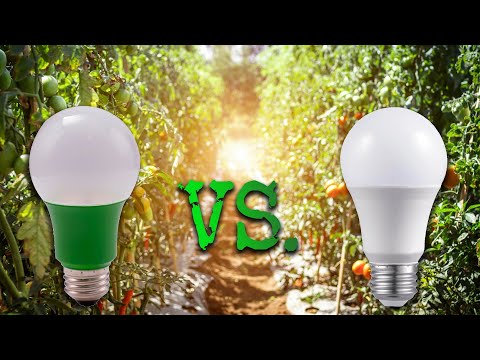
Indoor gardening has exploded in popularity over the past few years, and at the heart of that revolution sits one essential piece of equipment — the full spectrum plant lamp. Whether you are a balcony herb enthusiast, a committed hydroponic gardener, or a serious indoor cultivator trying to replicate the perfect growing conditions, understanding how full spectrum lighting works can transform your results entirely. Not all grow lights are created equal, and the difference between a basic purple LED panel and a true full spectrum lamp can mean the difference between leggy, pale plants and lush, thriving greenery. In this guide, we will break down exactly what full spectrum plant lamps are, how they work, which type suits your setup, and how to get the most out of every photon they emit.
What Is a Full Spectrum Plant Lamp?
A full spectrum plant lamp is a grow light engineered to emit light across the entire visible and near-visible electromagnetic spectrum — mimicking the natural sunlight that plants have evolved under for millions of years. Unlike traditional grow lights that focus exclusively on red and blue wavelengths, full spectrum lamps deliver a balanced blend of ultraviolet (UV), blue, green, yellow, orange, red, and far-red light. This comprehensive light distribution supports every stage of plant development, from seed germination and vegetative growth to flowering and fruiting.
The term full spectrum grow light has become a marketing buzzword in recent years, but the science behind it is very real. Plants use different wavelengths for different physiological processes. Blue light drives vegetative growth and chlorophyll production, red light triggers flowering and photosynthesis efficiency, and green light penetrates deeper into leaf canopies. A genuine full spectrum lamp accounts for all of these needs simultaneously.

Why Full Spectrum Lighting Matters for Plant Growth

If you have ever wondered why plants placed on a windowsill sometimes stretch toward the light or develop yellowing leaves, the answer often comes down to spectral quality. Natural sunlight provides a complete and balanced spectrum, but most indoor environments fall dramatically short. Here is why investing in a quality full spectrum plant lamp makes such a noticeable difference:
- Complete Photosynthetic Coverage: Every wavelength from 380nm to 780nm contributes to photosynthesis and photomorphogenic responses, meaning your plants grow stronger and healthier overall.
- Natural Growth Patterns: Plants grown under full spectrum lighting develop more compact, sturdy stems, richer leaf coloration, and more robust root systems compared to those under narrow-spectrum lights.
- All Growth Stages Supported: You do not need to switch bulbs when moving from the vegetative phase to the flowering phase — a single full spectrum lamp handles both seamlessly.
- Human-Friendly Operation: Full spectrum light appears white and natural to the human eye, making it far more pleasant to work under than the harsh purple glow of traditional grow lights.
- Circadian Rhythm Support: Some plants benefit from the balanced spectrum for photoperiod regulation, which influences blooming cycles and dormancy patterns.
The Science Behind Light Spectrums
Understanding the photosynthesis light spectrum helps you appreciate why full spectrum technology is so effective. Chlorophyll A and Chlorophyll B, the primary pigments in plant photosynthesis, absorb light most efficiently in the blue (around 430–450nm) and red (around 640–680nm) ranges. However, accessory pigments like carotenoids and anthocyanins absorb additional wavelengths, including green and far-red light. A full spectrum plant lamp ensures that none of these critical absorption peaks are neglected, creating an environment where plants can photosynthesize at peak efficiency without spectral gaps.
Types of Full Spectrum Plant Lamps
Not all full spectrum grow lights use the same technology. The three most common types you will encounter are LED, fluorescent, and high-intensity discharge (HID) based full spectrum lamps. Each has distinct advantages and trade-offs depending on your growing space and goals.
| Type | Pros | Cons | Best For |
| Full Spectrum LED | Energy efficient, long lifespan, low heat, adjustable spectrum | Higher upfront cost | Indoor gardens, small spaces, serious growers |
| Full Spectrum Fluorescent (T5/T8) | Affordable, low heat, great for seedlings | Lower intensity, shorter lifespan | Beginners, herb gardens, propagation |
| Full Spectrum HID (CMH/LEC) | High intensity, excellent penetration | Generates significant heat, higher energy use | Large indoor grow spaces, flowering stages |

Among these, full spectrum LED grow lights have become the clear favorite for most indoor gardeners. They combine low energy consumption with high photosynthetic photon flux (PPF), precise spectrum control, and minimal heat output. If you are building or upgrading an indoor garden today, an LED full spectrum lamp is almost certainly your best investment.
How to Choose the Right Full Spectrum Plant Lamp
Selecting the ideal lamp for your setup involves understanding several key specifications that go beyond simply picking the brightest option on the shelf. Here is what you should evaluate before making a purchase:
- Wattage and Coverage Area: Match the lamp’s wattage to the square footage of your growing space. A general rule is 30–50 watts per square foot for flowering plants and 15–25 watts per square foot for leafy greens and herbs.
- Photosynthetic Photon Flux (PPF): This measures the total light output relevant to photosynthesis. Higher PPF values mean more usable light reaches your plants.
- PAR Map Coverage: Look for lamps that provide a uniform photosynthetically active radiation (PAR) distribution across your canopy, rather than a hot spot in the center.
- Spectrum Adjustability: Advanced full spectrum indoor plant grow lights allow you to fine-tune the ratio of blue to red and add UV or far-red channels for different growth phases.
- Build Quality and Heat Management: Aluminum housings, built-in fans, and heat sinks extend the lifespan of the lamp and protect your plants from thermal stress.
- Dimmability: A dimmable full spectrum lamp lets you adjust light intensity as plants progress through different growth stages, preventing light burn and optimizing energy use.
Key Specifications to Consider
When comparing options, pay close attention to the color rendering index (CRI) and the correlated color temperature (CCT). A lamp with a CRI above 90 and a CCT between 3500K and 5000K closely replicates natural sunlight, which most plants respond to favorably. Also check whether the lamp includes UV-A and UV-B diodes, as small doses of ultraviolet light can boost resin production in flowering plants and strengthen cellular defenses.
Best Practices for Using Full Spectrum Grow Lights
Even the best full spectrum plant lamp will underperform if it is not used correctly. Here are expert tips that separate good results from great ones:
- Hang the lamp at the correct distance: LED full spectrum lights should typically be positioned 12–24 inches above the plant canopy. Too close causes bleaching and leaf curl; too far results in leggy, stretchy growth.
- Respect the photoperiod: Most leafy greens thrive under 12–16 hours of light per day, while flowering plants often need a strict 12/12 light/dark cycle to trigger blooming.
- Use a timer: Consistency is critical. A programmable timer ensures your plants receive the exact light schedule they need without human error.
- Rotate your plants regularly: Even with excellent PAR distribution, rotating pots weekly ensures uniform exposure and prevents one-sided growth.
- Monitor temperature and humidity: Full spectrum LED lamps run cooler than HID alternatives, but the microclimate around your canopy still needs monitoring. Aim for 65–75°F and 40–60% relative humidity for most species.
- Clean your lamps periodically: Dust accumulation on the diodes can reduce light output by up to 15%. A gentle wipe every few weeks keeps performance optimal.
Frequently Asked Questions (FAQs)
What is the difference between a full spectrum plant lamp and a standard LED grow light?
A standard LED grow light typically emits only narrow bands of red and blue light, producing a purple or pink glow. A full spectrum plant lamp, on the other hand, covers the entire visible spectrum including green, white, and in some cases UV and far-red wavelengths, delivering a more balanced and natural light environment that supports comprehensive plant development.
Can a full spectrum grow light replace natural sunlight for indoor plants?
Yes, a quality full spectrum grow light can effectively replace natural sunlight for most indoor plants, provided the intensity (measured in PPFD) and duration are appropriate for the species. This makes full spectrum lamps indispensable for grow rooms, vertical farms, and apartments with limited natural light.
How many hours per day should I run my full spectrum plant lamp?
Most indoor plants thrive with 12 to 16 hours of light per day during the vegetative stage. Flowering plants may require a 12-hour light cycle to trigger blooming. Always research the specific photoperiod needs of each species and use a timer to maintain consistency.
Are full spectrum plant lamps energy efficient?
Modern full spectrum LED grow lights are among the most energy-efficient options available. They convert a high percentage of electrical energy into usable photosynthetic light and produce significantly less waste heat compared to fluorescent or HID alternatives, which can translate to lower electricity bills over time.
Do I need a full spectrum lamp if I am only growing herbs?
Even for herbs like basil, cilantro, and mint, a full spectrum lamp provides superior results compared to basic grow lights. Herbs benefit from the full range of wavelengths for dense foliage growth, essential oil production, and vibrant color, making a full spectrum plant lamp a worthwhile investment for any herb garden.
Conclusion
The full spectrum plant lamp represents the gold standard in indoor gardening technology. By replicating the complete light spectrum that plants depend on for healthy growth, these lamps empower gardeners to cultivate thriving plants year-round, regardless of window orientation or seasonal light changes. From choosing the right type and wattage to positioning, timing, and maintenance, every decision you make about your grow light system compounds into better yields, healthier plants, and a more rewarding growing experience. Whether you are just starting your first indoor herb garden or scaling a professional-grade grow operation, a high-quality full spectrum grow light is the single most impactful investment you can make.