


Choosing the best LED grow light for your indoor garden can feel overwhelming with so many brands, wattages, and spectrum options flooding the market today. Whether you are a beginner nurturing your first batch of seedlings or a seasoned cultivator managing a full-scale indoor operation, the right lighting setup directly impacts your plant health, yield quality, and energy costs. Indoor growers have shifted dramatically toward LED technology because of its superior efficiency, lower heat output, and longer lifespan compared to older HID and fluorescent alternatives. In this comprehensive guide, we break down everything you need to know about selecting the best LED grow light for your specific growing environment, from spectrum science and coverage area to real-world brand comparisons and expert setup tips that deliver results.
Why LED Grow Lights Dominate the Indoor Gardening Market
The shift from high-intensity discharge lamps to full spectrum LED grow light panels represents one of the biggest revolutions in modern horticulture. Traditional grow lights like metal halide and high-pressure sodium systems consume enormous amounts of electricity and generate excessive heat, requiring expensive ventilation setups. LED grow lights, on the other hand, convert a far higher percentage of electrical energy directly into photosynthetically active radiation. This means your plants receive more usable light per watt consumed, which translates into lower electricity bills and a reduced environmental footprint. Additionally, modern LED fixtures come programmable with dimming controls, timers, and even spectral tuning, giving growers precise control over every stage of the plant lifecycle.
Top Features to Look for When Buying the Best LED Grow Light
Light Spectrum and Photosynthetic Coverage
Not all LED grow light panels deliver the same spectral output. The best LED grow light units provide a full spectrum that includes blue wavelengths for vegetative growth, red wavelengths for flowering and fruiting, and supplemental white and infrared wavelengths to support overall plant development. A balanced spectrum mimics natural sunlight, which promotes healthy chlorophyll absorption and prevents the stretching or bleaching that can occur with narrow-spectrum lights. When evaluating spectrum quality, look for lights that explicitly list their wavelength ranges in nanometers rather than relying on vague marketing terms like “optimized spectrum.”
Wattage, PAR Values, and Energy Efficiency
Wattage alone does not determine how effective a grow light is. What matters far more is the photosynthetically active radiation, or PAR, output and the photosynthetic photon flux density, known as PPFD, that your plants actually receive at canopy level. The best LED grow light brands publish detailed PPFD maps showing light distribution across your growing area. Energy efficiency is measured by the micromoles per joule ratio, and higher-quality LEDs consistently achieve 2.0 umol/J or above. Always match the total wattage of your light to the square footage of your grow space to avoid under- or over-lighting your plants.

Build Quality, Heat Dissipation, and Durability
Cheap LED fixtures often use poor-quality diodes that degrade quickly or lack adequate heat sinks, leading to premature failure and reduced light output. Premium LED grow lights use aluminum housing designs with passive cooling fans or passive-only heat dissipation systems that keep operating temperatures low. Look for fixtures rated with an IP protection level if you are growing in humid environments. The diode brand also matters, with Samsung, Bridgelux, and Mean Well power supplies being trusted names among serious indoor growers.
Comparison: Best LED Grow Lights by Category
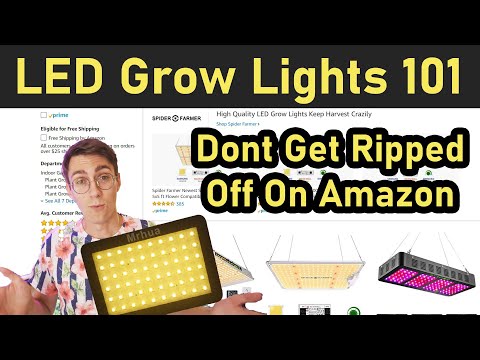
Below is a detailed comparison table highlighting some of the top-rated LED grow light options available for different growing needs and budget ranges.
| Product | Wattage | Coverage Area | Spectrum | Best For |
| Spider Farmer SF-4000 | 450W | 3×3 to 4×4 ft | Full Spectrum | Small to medium grows |
| Mars Hydro TS-1000 | 150W | 2×2 ft | Full Spectrum | Beginners and seedlings |
| Horticulture Lighting Group HLG 650 | 650W | 4×4 to 6×6 ft | Full Spectrum Quantum Board | Advanced indoor cultivators |
| Kingbrite 1000W | 1000W | 4×4 to 5×5 ft | Full Spectrum with IR | Large flowering setups |
| VIPARSPECTRA V300 | 300W | 3×3 ft | Full Spectrum | Budget-conscious growers |
Best LED Grow Lights for Different Growing Stages
Plants have different light requirements depending on their growth phase. During the seedling and vegetative stage, blue-dominant light encourages compact, bushy growth with strong stem development. For this phase, a smaller wattage light with a balanced spectrum works well, and many growers choose the best LED grow light for seedlings based on coverage area rather than raw power. During the flowering and fruiting stage, plants demand higher levels of red and far-red wavelengths to trigger blooming and maximize bud development. Advanced growers often switch to higher-wattage quantum board fixtures or use dimmable lights that allow them to adjust the spectrum as plants transition from veg to flower. Auto-flowering strains and compact grow spaces benefit from medium-wattage full spectrum units that provide consistent intensity without overwhelming the canopy.
Expert Tips for Maximizing Your LED Grow Light Performance
- Hang your light at the correct distance. Most LED grow panels should be positioned 18 to 36 inches above the canopy, depending on wattage. Starting further away and gradually lowering the light prevents light burn on young or sensitive plants.
- Use a light timer with a consistent schedule. For vegetative growth, an 18/6 light cycle works well, while flowering plants typically thrive under a 12/12 schedule. Consistent photoperiods reduce plant stress and promote uniform growth.
- Supplement with reflective mylar or white paint. Wrapping your grow tent or room in reflective material can increase effective light distribution by up to 30 percent, ensuring every leaf receives adequate photons.
- Monitor temperature and humidity levels. Even though LED lights run cooler than HID alternatives, they still generate heat. Maintain ambient temperatures between 68 and 78 degrees Fahrenheit for optimal photosynthetic efficiency.
- Rotate your plants regularly. Plants closest to the light center receive more intensity than those at the edges. Rotating pots every few days promotes even canopy development and maximizes overall yield.
Common Mistakes to Avoid When Choosing a Grow Light
One of the most common mistakes new growers make is purchasing a light based solely on advertised wattage without considering actual photosynthetic output. Many inexpensive brands inflate their wattage numbers by using components that draw high electrical input but produce mediocre light quality. Another frequent error is ignoring coverage area specifications. Overlapping lights in a too-small space cause photoinhibition, where excess light actually damages plant tissue and reduces growth. Conversely, under-powering your grow space leads to tall, leggy plants with weak structural development and poor resin production. Always verify third-party reviews and PPFD data before making a purchase decision.
Frequently Asked Questions
What is the best LED grow light for a beginner growing vegetables indoors?
For beginners starting an indoor vegetable garden, the Mars Hydro TS-1000 or VIPARSPECTRA V300 offer excellent full spectrum coverage at affordable price points. These units provide balanced blue and red wavelengths ideal for leafy greens, herbs, tomatoes, and peppers in a 2×2 to 3×3 foot grow space. They are energy-efficient, easy to install, and quiet during operation, making them perfect first choices for hobbyist indoor growers.
How many watts per square foot does a good LED grow light need?
A general rule of thumb for indoor growing is 32 to 50 watts per square foot of actual canopy area. For high-light flowering plants like cannabis or tomatoes, aim for the higher end of that range. For low-light leafy greens and herbs, 15 to 25 watts per square foot is usually sufficient. Always check the manufacturer’s recommended coverage area and PPFD data to match your specific light to your grow space.
Can I use a full spectrum LED grow light for both veg and flower stages?
Yes, modern full spectrum LED grow lights are designed to support all growth stages from seedling through harvest. The balanced spectrum includes the blue wavelengths needed for vegetative growth and the red wavelengths required for flowering. Many advanced fixtures also include infrared and ultraviolet diodes that further enhance plant resilience and secondary metabolite production. Dimmable models allow you to increase intensity during the flowering phase without changing fixtures.
How long do the best LED grow lights typically last before needing replacement?
High-quality LED grow lights are rated for approximately 50,000 to 100,000 hours of continuous use, which translates to 5 to 10 years of typical indoor growing schedules. Over time, LED diodes experience gradual lumen depreciation, meaning light output slowly decreases. Most premium brands, including Samsung diode manufacturers, maintain over 90 percent of initial output for the first 3 to 5 years. Passive cooling designs and quality power supplies significantly extend the operational lifespan of any LED grow fixture.
Is it worth investing in a quantum board LED grow light over a traditional panel design?
Quantum board LED grow lights offer superior light distribution because the individual diodes are spread across a large, flat board rather than clustered in a single fixture. This design produces a more uniform photosynthetic photon flux density across your entire canopy, reducing hot spots and shadow areas. Quantum board fixtures from brands like HLG and Spider Farmer consistently rank among the best LED grow light options for serious growers who prioritize even coverage, efficiency, and scalability. While they tend to cost slightly more upfront, the improved yield quality and energy savings justify the investment over time.
Final Thoughts on Finding the Best LED Grow Light
Investing in the best LED grow light for your indoor garden is one of the most impactful decisions you can make as a grower. The right fixture delivers the precise light spectrum, intensity, and coverage your plants need at every stage of development, resulting in healthier growth, higher yields, and significantly lower energy costs. By understanding the key specifications, comparing trusted brands, avoiding common purchasing mistakes, and following expert setup practices, you can confidently build a lighting system that delivers professional-grade results regardless of your experience level. Focus on quality over price alone, always verify real-world performance data, and remember that consistent light management combined with proper nutrition and environmental control is the foundation of a thriving indoor garden.