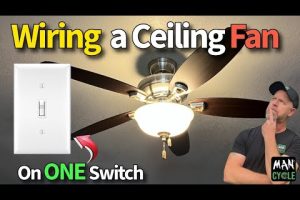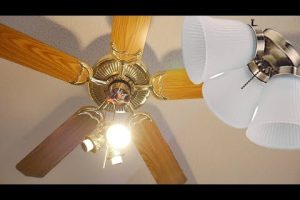



When it comes to lighting up a room while keeping the air circulating, nothing beats the versatility of a ceiling fan light combination. Whether you are remodeling a bedroom, upgrading a living room, or adding comfort to a covered patio, a ceiling fan light serves both form and function in ways that standalone fixtures simply cannot match. In this comprehensive guide, we will explore everything you need to know about ceiling fan lights — from the different types available, to how to choose the perfect one, installation best practices, energy-saving options, and maintenance tips that will keep your setup running smoothly for years to come.
Why a Ceiling Fan Light Matters More Than You Think
Many homeowners treat ceiling fans and lighting as two separate purchases, but combining them into a single unit offers remarkable advantages. A ceiling fan light eliminates the need for multiple overhead fixtures, reduces installation costs, and creates a cohesive ambient glow that instantly transforms any space. Beyond aesthetics, these dual-purpose fixtures improve room functionality, making it easier to read, cook, or relax without relying on harsh overhead lamps.
Types of Ceiling Fan Lights You Should Consider
1. Flush Mount Ceiling Fan Lights
Flush mount designs sit directly against the ceiling, making them ideal for rooms with lower clearance. They are sleek, space-saving, and work beautifully in hallways, bathrooms, and smaller bedrooms where a dangling fixture might feel obstructive.
2. Downrod Ceiling Fan Lights
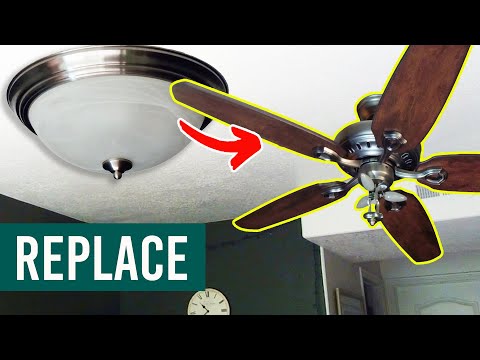
These models hang from a rod that extends below the ceiling, allowing the fan blades and light assembly to sit at an optimal height for air circulation and illumination. Downrod ceiling fan lights are the go-to choice for living rooms, dining areas, and open-concept spaces with standard or high ceilings.
3. Low-Profile and Hugger Ceiling Fan Lights
Similar to flush mount, low-profile or hugger fans are designed to minimize the gap between the mounting bracket and the ceiling. They are particularly popular in apartment settings or rooms where every inch of vertical clearance counts.
4. Outdoor Ceiling Fan Lights
Built with weather-resistant materials, outdoor ceiling fan lights are engineered to withstand moisture, humidity, and temperature fluctuations. They are perfect for covered porches, screened patios, and indoor-outdoor living spaces.
How to Choose the Right Ceiling Fan Light for Your Space
Selecting the right ceiling fan light involves more than picking a style you like. Several technical and aesthetic factors determine whether a unit will perform well and complement your decor.
Room Size and Ceiling Height
Measure the square footage of the room and your ceiling height before purchasing. A small bedroom needs a different fan light than a large open-plan living area. As a general rule, the blade span should correspond to room size — 29 to 36 inches for small rooms, 36 to 42 inches for medium spaces, and 44 to 56 inches for larger areas. The light kit wattage should also match the room’s lighting needs.
Light Kit Brightness and Bulb Compatibility
Check whether the fan light kit uses standard sockets or requires proprietary bulbs. LED bulbs are the most energy-efficient and longest-lasting option, but you should confirm compatibility with the dimmer switch you plan to use. Look for light kits that support dimmable LED technology so you can adjust brightness from soft ambient glow to bright task lighting.
Style and Design Coordination
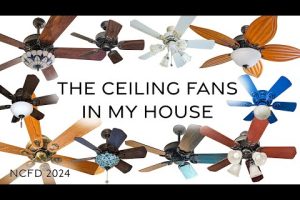
The finish and design of your ceiling fan light should align with your existing decor. Popular finishes include brushed nickel, matte black, oil-rubbed bronze, chrome, and antique brass. Modern interiors pair well with clean-lined, minimalist designs, while traditional homes often benefit from crystal or frosted glass light kits.
Energy Efficiency and Bulb Technology for Ceiling Fan Lights
LED vs. CFL vs. Incandescent
The type of bulb you choose has a direct impact on energy consumption, heat output, and maintenance frequency. LED bulbs consume up to 75% less energy than traditional incandescent bulbs and can last 15,000 to 50,000 hours. CFL bulbs offer moderate energy savings but take time to reach full brightness. Incandescent bulbs produce warm, flattering light but are inefficient and generate excess heat, which can be problematic inside a fan enclosure.
| Bulb Type | Average Lifespan | Energy Efficiency | Heat Output | |
| LED | 15,000–50,000 hours | Very High | Low | |
| CFL | 8,000–15,000 hours | Moderate | Moderate | |
| Incandescent | 750–2,000 hours | Low | High |
Smart Ceiling Fan Lights
Smart ceiling fan lights have revolutionized the way homeowners control their indoor environment. Many modern units integrate with ecosystems like Amazon Alexa, Google Home, and Apple HomeKit, allowing voice-activated control, scheduling, and remote adjustments through a smartphone app. Some smart fan lights even offer color-temperature tuning, so you can switch from cool white for focused tasks to warm amber for evening relaxation.

Ceiling Fan Light Installation: Step-by-Step Guide
While installing a ceiling fan light is manageable for homeowners with basic electrical knowledge, safety should always be your top priority. Here is a simplified overview of the process:
- Turn off power at the circuit breaker. Never work on live wiring. Use a voltage tester to confirm the power is completely off.
- Assemble the fan and light kit according to the manufacturer’s instructions. Most units come with detailed diagrams that walk you through each connection.
- Attach the mounting bracket securely to the ceiling joist or electrical box. Ensure the box is rated to support the weight of a fan, as standard light fixture boxes may not be sturdy enough.
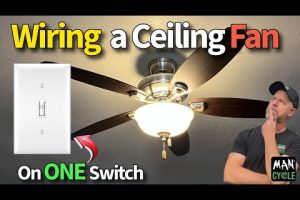
- Connect the wiring — black to black, white to white, and green or bare copper to the ground wire. Use wire nuts and secure all connections firmly.
- Attach the fan motor housing, blades, and light kit canopy. Tighten all screws and verify that nothing is loose.
- Restore power and test both the fan and light functions. Check for wobbling, unusual noise, or flickering.
If you are uncomfortable working with electrical wiring, always hire a licensed electrician. Improper installation can lead to fire hazards, electrical shock, or structural damage.
Maintenance Tips to Extend the Life of Your Ceiling Fan Light
Regular maintenance keeps your ceiling fan light performing at peak efficiency and prevents dust buildup that can reduce airflow and dim your lighting output.
- Dust the blades and light fixture weekly using a microfiber cloth or a duster designed for fan blades.
- Tighten screws and blade irons every few months to prevent wobbling and rattling noises.
- Replace bulbs promptly when you notice dimming or flickering to avoid stressing the socket.
- Lubricate the motor bearing annually if your fan model requires it — check the user manual.
- Inspect the pull chains and remote control batteries quarterly to ensure smooth operation.
Expert Tips for Maximizing Performance
Choose reversible blades. Many ceiling fans feature blades that can be set to rotate clockwise or counterclockwise. In summer, set them counterclockwise for a cooling downdraft; in winter, switch to clockwise on low speed to push warm air down from the ceiling. This simple adjustment can reduce heating costs by up to 10%.
Use layered lighting. Combine your ceiling fan light with wall sconces or floor lamps to create depth and dimension in the room. This approach reduces eye strain and makes the space feel more inviting.
Invest in a quality fan light kit. Aftermarket light kits from reputable brands often outperform factory-installed options, offering brighter output, better color rendering, and more design flexibility.
Conclusion
A ceiling fan light is far more than a convenience — it is a smart investment in comfort, energy efficiency, and interior design. By understanding the different types, choosing the right fit for your space, and following proper installation and maintenance practices, you can enjoy the combined benefits of airflow and illumination for many years. Whether you prefer a sleek flush mount for a modern apartment or a rustic outdoor fan light for your porch, the right choice will elevate both the functionality and the ambiance of your home.
Frequently Asked Questions
1. Can I install a ceiling fan light in a room with a sloped ceiling?
Yes, many ceiling fan lights are designed specifically for sloped or angled ceilings. Look for models that include an angled mounting bracket or an adaptable canopy. These kits allow the fan and light assembly to sit flush and level even on a pitch, ensuring both safe operation and a polished appearance.
2. What size ceiling fan light do I need for a 200 square foot room?
For a room of approximately 200 square feet, a ceiling fan with a blade span of 36 to 42 inches and a light kit output of around 800 to 1,200 lumens is ideal. This provides adequate air movement and bright, comfortable illumination without overwhelming the space. Always measure the room dimensions and consider ceiling height before finalizing your purchase.
3. Are LED bulbs the best choice for ceiling fan lights?
Absolutely. LED bulbs offer superior energy efficiency, significantly longer lifespan, and minimal heat production compared to incandescent or CFL alternatives. Because ceiling fan lights are enclosed or semi-enclosed fixtures, low heat output is especially important for safety and to prevent premature bulb failure. Look for dimmable LED bulbs rated for enclosed fixtures to get the best performance.
4. How do I stop my ceiling fan light from flickering?
Flickering can be caused by loose bulb connections, incompatible dimmer switches, or a faulty light kit socket. Start by ensuring the bulb is screwed in tightly and compatible with the dimmer. If the issue persists, try replacing the dimmer switch with one rated for LED loads. If flickering continues, the light kit may need replacement or professional inspection.
5. What is the difference between a ceiling fan light kit and a standalone light fixture?
A ceiling fan light kit is purpose-built to integrate seamlessly with the fan motor housing, sharing the same wiring and mounting system. Standalone light fixtures are designed for standard ceiling mounts without fan mechanisms. Fan light kits are engineered to handle the vibrations and movement of a running fan, making them more durable and vibration-resistant than generic fixtures.