


When it comes to transforming your bedroom from a purely functional sleeping space into a personal retreat that reflects your style, lighting plays an underrated yet powerful role. Bedroom pendant lights have surged in popularity over the past few years, and for good reason. They combine form and function in a way that overhead fixtures and table lamps simply cannot match. Whether you are redesigning a master suite, a cozy guest room, or a compact studio apartment, the right pendant light can instantly elevate the ambiance, improve visibility, and tie the entire room together. In this comprehensive guide, we will explore everything from selecting the perfect fixture and sizing it correctly for your space to understanding materials, installation tips, and the latest trends shaping bedroom pendant lighting in 2025.
Why Bedroom Pendant Lights Are a Game-Changer for Your Sleep Sanctuary
Not all bedroom lighting is created equal. A harsh, flat ceiling light can wash out a room and feel institutional, while a well-chosen pendant fixture introduces depth, warmth, and visual interest. Pendant lights work exceptionally well in bedrooms because they hang at a lowered height, creating a focal point and delivering directed illumination exactly where you need it. Think about your bedside reading nook, the area above a dressing table, or even centered over a seating cluster where you unwind in the evenings.
Unlike recessed downlights that blast light upward or outward in broad sweeps, pendant lights concentrate their glow downward. This targeted approach means less wasted light and a more intimate atmosphere. For homeowners and renters alike, bedroom pendant lights offer a versatile, stylish upgrade without the expense or complexity of a full electrical overhaul.
The Role of Layered Lighting in Bedroom Design
Interior designers consistently advocate for layered lighting, and pendant fixtures are a critical middle layer. The three layers include ambient lighting (overall room illumination), task lighting (focused light for reading or grooming), and accent lighting (highlighting artwork or architectural features). A bedroom pendant light often bridges the gap between ambient and task lighting, especially when positioned over nightstands or a vanity. This layering technique reduces eye strain, supports your circadian rhythm, and creates a curated, magazine-worthy aesthetic.
Types of Bedroom Pendant Lights: From Minimalist to Bold
The world of bedroom pendant lighting is incredibly diverse. Understanding the different categories helps you narrow down options that suit your décor, ceiling height, and personal taste.
Single-Shade Pendant Lights
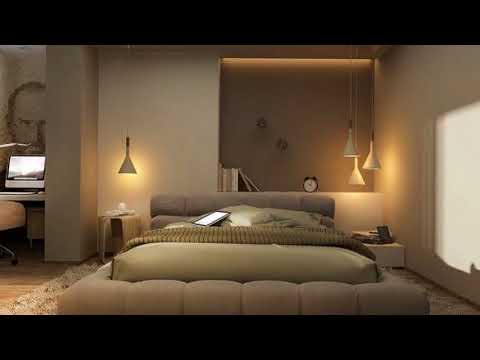
The single-shade pendant is the most classic and widely recognized option. It features one light source enclosed or framed by a shade, cone, drum, or globe. These fixtures work beautifully as a centerpiece above a bed or a reading chair. Popular variations include fabric-shade pendants that diffuse light softly, metal shades that cast dramatic shadows, and glass globes that add a tactile, almost sculptural quality to the room.

Multi-Light Pendant Fixtures
If your bedroom is on the larger side or you want to illuminate a broader area, multi-light pendants are an excellent choice. These fixtures arrange three, five, or even seven individual shades or bulbs along a single mounting bar or canopy. They are particularly effective above dressers, consoles, or breakfast bars in studio apartments. The even distribution of light eliminates dark corners while maintaining a decorative presence.
Chandelier-Style Pendants for Bedrooms
Do not overlook chandelier-style pendants. These hybrid fixtures combine the elegance of a chandelier with the simplicity of a single pendant mount. Crystal drops, brass arms, and intricate metalwork create a statement piece that doubles as bedroom art. They are ideal for rooms with vaulted ceilings or canopy beds where you want a touch of luxury.
How to Choose the Right Size and Placement
Sizing your bedroom pendant light correctly is arguably the most important decision you will make. A fixture that is too small gets lost in the room, while one that is too large overwhelms the space and creates an oppressive feel. Here are some practical guidelines:
- Width rule: Add the room’s length and width in feet, then convert that sum to inches. For a bedroom that is 12 feet by 14 feet, your pendant fixture should be approximately 26 inches wide or in diameter.
- Height rule: Hang the bottom of the pendant 30 to 36 inches above the surface it illuminates, such as a nightstand or vanity.
- Ceiling clearance: Maintain at least 7 feet from the floor to the bottom of the fixture to avoid head bumps and ensure comfortable airflow.
- Over the bed: Center the pendant lengthwise over the bed, ideally about two feet above the mattress for reading without glare.
Placement matters just as much as sizing. For symmetrical balance, use a single large pendant centered over the bed or a pair of matching pendants flanking each nightstand. Asymmetrical arrangements with different heights and sizes can add dynamic energy to modern and eclectic bedrooms.
Best Materials and Finishes for Bedroom Pendant Lights
The material and finish of your pendant light influence both its aesthetic and its compatibility with your bedroom’s color palette and texture scheme. Below is a comparison of popular options and their visual impact.
| Material / Finish | Best Suited For | Aesthetic Vibe |
| Brushed Brass | Warm, transitional, and traditional bedrooms | Elegant, warm glow, timeless appeal |
| Matte Black | Modern, minimalist, and industrial bedrooms | Bold contrast, sleek, contemporary |
| White Fabric | Cottage, Scandinavian, and soft neutral bedrooms | Soft diffusion, airy and calming |
| Woven Rattan or Seagrass | Boho, coastal, and organic bedrooms | Textured warmth, natural texture |
| Clear or Frosted Glass | Transitional and luxury bedrooms | Refined clarity, sophisticated sparkle |
| Polished Nickel | Modern glam and Hollywood-style bedrooms | Subtle shimmer, reflective quality |
When selecting a finish, consider your existing hardware. If your door handles, drawer pulls, and curtain rods are brushed nickel, a pendant light in the same finish creates a cohesive, intentional look. Mixing metals is also acceptable in 2025 design trends, but limiting yourself to two metal tones keeps the room from feeling chaotic.
Wiring, Installation, and Safety Considerations
Installing a bedroom pendant light involves more than just screwing in a bulb. Safety should always come first. Before purchasing a fixture, confirm that your ceiling has an electrical box rated to support the weight of a pendant light, which can range from a few pounds for a lightweight fabric shade to over 15 pounds for a large crystal chandelier pendant.
Here are key installation and safety tips to keep in mind:
- Turn off the circuit breaker before beginning any electrical work and use a voltage tester to confirm the power is off.
- Check the ceiling box rating. Standard plastic boxes may not support heavy pendants. Metal fan-rated boxes are ideal for heavier fixtures.
- Use a ceiling medallion if your pendant light has a wide canopy. This distributes weight evenly and creates a polished finish.
- Consider hiring a licensed electrician if you need to install a new electrical box or run new wiring from a junction box.
- Use dimmable LED bulbs to adjust brightness for different moods, from bright task lighting in the morning to soft ambient glow at bedtime.
Smart pendant lights with built-in Wi-Fi or Zigbee connectivity are also gaining traction. These allow you to adjust brightness, color temperature, and even set automated schedules through a smartphone app, adding an extra layer of convenience to your bedroom routine.
Top Trends in Bedroom Pendant Lighting (2024-2025)
The bedroom pendant light landscape is evolving rapidly. Here are the trends shaping design and consumer choices right now:
- Organic shapes: Curved, asymmetrical, and nature-inspired pendants made from rattan, hand-blown glass, and undulating metal are dominating modern bedroom interiors.
- Warm LED color temperatures: Fixtures that emit warm white light between 2200K and 3000K are preferred for bedroom environments because they promote relaxation and melatonin production.
- Oversized statement pendants: One dramatic fixture above the bed is replacing the traditional pair of bedside table lamps in many contemporary designs.
- Sustainable materials: Recycled metal, FSC-certified wood, and natural fibers are becoming standard in eco-conscious lighting lines.
- Adjustable-height cords: Pendants with pull-chain height adjustments or retractable cords give users the flexibility to raise or lower the light based on the room’s function.
Frequently Asked Questions About Bedroom Pendant Lights
Can I use a pendant light directly over my bed? Yes, a pendant light directly over the bed is a popular design choice, provided it is hung at the correct height. Aim for the bottom of the fixture to sit approximately 12 to 18 inches above the top of the mattress. This ensures adequate clearance for sitting up in bed while providing focused light for reading or relaxation.
What bulb type is best for bedroom pendant lights? LED bulbs are the clear winner for bedroom pendants. They consume significantly less energy, produce minimal heat, and come in a range of color temperatures. For a restful bedroom atmosphere, choose bulbs in the 2200K to 2700K warm white range. Dimmable options give you the added benefit of adjusting brightness throughout the day.
How many bedroom pendant lights do I need? For most standard bedrooms, one statement pendant light centered over the bed or a seating area is sufficient. Larger rooms or open-plan studio apartments may benefit from two to three pendants arranged in a line or cluster. The key is to maintain visual balance and avoid overcrowding the ceiling space.
Are bedroom pendant lights hard to install? Installation difficulty depends on your electrical setup. If your ceiling already has an electrical box and accessible wiring, a basic pendant light is a manageable DIY project for someone with intermediate handyman skills. However, if you need a new junction box, extended wiring, or a dedicated circuit, it is strongly recommended to consult a licensed electrician.
What is the difference between a pendant light and a chandelier? A pendant light is a single fixture hanging from a cord, chain, or rod, typically with one shade or light source. A chandelier is a more elaborate multi-arm fixture with several branches for bulbs. Chandelier-style pendants blur this line, offering the visual complexity of a chandelier in the streamlined mounting of a pendant.
Conclusion
Bedroom pendant lights are far more than a decorative afterthought. They are a deliberate design decision that shapes how your room looks, feels, and functions every single day. From selecting the right type and material to sizing the fixture correctly and ensuring safe installation, each detail contributes to a bedroom that is both beautiful and deeply livable. As lighting technology continues to advance and design trends push toward warmth, sustainability, and personalization, the options for bedroom pendant lighting have never been more exciting. Take your time, explore different styles, and invest in a fixture that makes your bedroom feel truly yours.