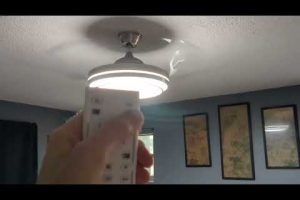



A ceiling fixture is far more than just a light source mounted overhead—it is a defining design element that shapes the ambiance, functionality, and overall character of any room. Whether you are remodeling a kitchen, upgrading a bedroom, or designing a commercial space from the ground up, choosing the right ceiling fixture can make or break your interior lighting strategy. In this comprehensive guide, we will explore everything you need to know about ceiling fixtures, from the different types and styles to installation best practices, maintenance tips, and expert recommendations that will help you make confident purchasing decisions.
What Is a Ceiling Fixture and Why Does It Matter?
A ceiling fixture is a lighting unit that is mounted to the ceiling to provide general, task, or accent illumination within a space. These fixtures come in an enormous range of designs, sizes, and technologies—from classic flush-mount lights to modern chandeliers and sleek recessed downlights. Understanding the role your ceiling light fixture plays in a room is the first step toward making an informed choice that balances aesthetics with performance.
The right overhead lighting fixture does much more than keep you from stumbling in the dark. It establishes the mood of a room, highlights architectural features, and can even influence your productivity and well-being. Studies on lighting and human circadian rhythms have shown that the type, color temperature, and placement of your overhead light fixture directly affect sleep quality, focus, and emotional comfort.
Key Functions of a Ceiling Light Fixture

- Ambient Illumination: Provides general light that fills an entire room evenly.
- Task Lighting: Directs focused light to specific areas like kitchen countertops or home office desks.
- Accent Lighting: Highlights artwork, architectural details, or focal points within a space.
- Aesthetic Enhancement: Serves as a decorative centerpiece that ties together the room’s design theme.
Types of Ceiling Fixtures Explained
The variety of ceiling-mounted lighting options available today is staggering. Each type serves a distinct purpose and suits different room sizes, ceiling heights, and design preferences. Below is an in-depth look at the most popular categories.
Flush Mount Fixtures
A flush mount ceiling fixture sits flat against the ceiling with no hanging component. These are ideal for rooms with low ceilings or compact spaces like hallways, bathrooms, and closets. Because they hug the ceiling closely, they create a streamlined, unobtrusive look. Flush mount lights are among the most versatile options and work well in both residential and commercial settings.
Semi-Flush Mount Fixtures
Semi-flush mounts hang slightly below the ceiling, typically a few inches, adding a touch of dimension without occupying much vertical space. They offer a slightly more decorative appearance than full flush mounts while still being practical for rooms with moderate ceiling heights.
Chandeliers and Pendants
Chandeliers are multi-armed fixtures that hang from the ceiling and often feature multiple light sources, crystals, or decorative elements. Pendant lights, on the other hand, typically have a single fixture suspended from a cord, chain, or rod. These statement pieces work exceptionally well in dining rooms, living rooms, and entryways where they can serve as a visual anchor. Modern chandeliers and minimalist pendants have become especially popular in contemporary interior design.
Recessed Downlights
Recessed fixtures, also known as can lights or pot lights, are installed directly into the ceiling so that the fixture body sits hidden within the ceiling cavity, with only the trim and lens visible. These provide a clean, minimalist look and are excellent for delivering even ambient light across a room. They are a staple in modern and minimalist ceiling light designs.
Track Lighting
Track lighting systems consist of a linear track mounted to the ceiling that holds individual adjustable heads. This type of ceiling-mounted fixture is highly customizable, allowing you to redirect light toward specific areas or objects. Track lighting is a favorite for art galleries, retail spaces, and kitchens where flexible illumination is key.
How to Choose the Right Ceiling Fixture for Your Space
Selecting the perfect overhead lighting fixture involves more than picking a style you like. You need to consider room size, ceiling height, bulb type, color temperature, and the fixture’s intended purpose.
Matching Fixture Size to Room Dimensions
A common rule of thumb for determining the ideal diameter of your ceiling fixture is to add the room’s length and width in feet, then convert the sum to inches. For example, a room that is 12 feet by 16 feet would call for a fixture approximately 28 inches in diameter. This guideline helps ensure that your fixture provides adequate light output without overwhelming or underserving the space.
Ceiling Height Considerations
If your ceiling is under eight feet, stick with flush mount or semi-flush fixtures to avoid a cramped feeling. For ceilings between eight and ten feet, pendant lights and semi-flush mounts work beautifully. Ceilings above ten feet can accommodate larger chandeliers and multi-tier pendants that make a dramatic visual impact.
Color Temperature and Bulb Selection
The light bulb you pair with your ceiling fixture matters enormously. Warm white bulbs (2700K–3000K) create a cozy, inviting atmosphere perfect for bedrooms and living rooms. Cool white bulbs (3500K–4100K) are better suited for task-oriented spaces like kitchens and bathrooms. Daylight bulbs (5000K–6500K) mimic natural sunlight and work well in home offices and garages.
| Fixture Type | Best For | Ceiling Height | Style |
| Flush Mount | Hallways, bathrooms, low ceilings | Under 8 ft | Minimalist, streamlined |
| Semi-Flush Mount | Bedrooms, dining rooms, moderate ceilings | 8–10 ft | Semi-decorative, balanced |
| Chandelier | Living rooms, dining rooms, foyers | Over 10 ft | Ornate, decorative, statement |
| Pendant Light | Kitchen islands, dining tables, offices | Over 8 ft | Modern, focused, stylish |
| Recessed Downlight | Living rooms, offices, hallways | Any height | Clean, contemporary, hidden |
| Track Lighting | Art spaces, retail, kitchens | Any height | Adjustable, industrial, flexible |
Installation Best Practices and Expert Tips
Installing a ceiling-mounted lighting fixture may seem straightforward, but improper installation can lead to safety hazards, poor performance, or damage to your home. Here are essential tips to keep in mind.
- Always turn off the power at the circuit breaker before starting any electrical work. Use a voltage tester to confirm the circuit is de-energized.
- Check the weight rating of your electrical box. Heavy fixtures like chandeliers require a reinforced brace box rated for the fixture’s weight. Standard boxes are not designed to support heavy loads.
- Use the correct wire gauge and connectors. Match your wiring to the fixture manufacturer’s specifications. For most residential fixtures, 14-gauge or 12-gauge wire is appropriate depending on the circuit amperage.
- Ensure proper grounding. Connect the fixture’s ground wire to the grounding conductor in the ceiling box to prevent electrical shock.
- Consider hiring a licensed electrician if you are uncomfortable with any part of the installation, especially for hardwired recessed fixtures or multi-circuit installations.
One frequently overlooked detail is the junction box location. Make sure it is centered on the room’s layout and aligned with the fixture’s mounting point. A misaligned box can cause the fixture to hang crooked or stress the wiring connections.
Ceiling Fixture Styles and Current Design Trends
The world of ceiling lighting design evolves constantly, with new trends emerging each season. Here are some of the most notable styles and directions in modern overhead fixture design as of recent years.
Clean lines, neutral tones, and simple geometric shapes define the minimalist ceiling fixture trend. These fixtures prioritize function and elegance over ornamentation, making them perfect for Scandinavian, modern, and Japandi interior styles.
Industrial and Edison Bulb Fixtures
Exposed bulbs, black metal finishes, and raw textures continue to dominate the industrial lighting aesthetic. Edison-style filament bulbs paired with metal canopy fixtures create a warm, vintage-industrial vibe that works beautifully in lofts and urban apartments.

Smart Ceiling Fixtures
Smart lighting technology has revolutionized the overhead light fixture market. Many modern ceiling fixtures now integrate with smart home ecosystems like Amazon Alexa, Google Home, and Apple HomeKit. These fixtures allow users to adjust brightness, change color temperature, and set schedules through a smartphone app or voice command—making them among the most versatile ceiling lights available today.
Organic and Natural Materials
Fixtures crafted from rattan, bamboo, linen, and reclaimed wood have gained significant traction. These organic ceiling light fixtures add texture and warmth, complementing bohemian, coastal, and earthy interior design schemes.

Maintenance and Care for Long-Lasting Ceiling Fixtures
Even the highest-quality overhead lighting fixture will lose its appeal if neglected. Regular maintenance ensures consistent performance, safety, and visual appeal.
- Dust regularly: Use a microfiber cloth or a soft duster to clean fixture surfaces. Accumulated dust can reduce light output by up to 25 percent.
- Replace bulbs promptly: Burned-out bulbs create uneven lighting and can strain the fixture’s wiring if left in place too long.
- Check connections periodically: Over time, vibrations from ceiling fans or building settling can loosen wire nuts and connections. Inspect your ceiling light fixture annually for any signs of wear.
- Clean glass and crystal components carefully: Use a gentle glass cleaner and avoid abrasive materials that can scratch or cloud the surface.
- Upgrade to LED bulbs: LED technology dramatically extends the lifespan of your fixture while reducing energy consumption. Most LED bulbs last 15,000 to 50,000 hours, far outlasting traditional incandescent options.
Frequently Asked Questions
What is the best ceiling fixture for a small bedroom with low ceilings?
A flush mount ceiling fixture is the best choice for small bedrooms with low ceilings because it sits close to the ceiling surface, maximizing headroom while still delivering adequate ambient light. Look for slim-profile designs in light colors to keep the room feeling open and airy.
How do I determine the right size ceiling light fixture for my room?
Add the length and width of your room in feet and convert the total to inches—that number gives you the recommended fixture diameter. For example, a 10-by-12-foot room calls for a fixture roughly 22 inches wide. This rule of thumb ensures your overhead light fixture is proportionate to the space.
Can I install a ceiling light fixture myself or should I hire an electrician?
Simple fixtures like flush mounts and basic pendants can often be installed as a DIY project if you have basic electrical knowledge and follow all safety protocols. However, for heavy fixtures, hardwired recessed lights, or any installation involving upgrading your electrical box, hiring a licensed electrician is strongly recommended for safety and code compliance.
What is the difference between a flush mount and a semi-flush mount ceiling fixture?
A flush mount fixture sits entirely flat against the ceiling with no hanging element, while a semi-flush mount hangs a few inches below the ceiling surface. The semi-flush design adds a slight decorative dimension and can provide better light distribution, but it requires a few more inches of ceiling clearance.
Are smart ceiling fixtures worth the investment?
Absolutely. Smart ceiling fixtures offer remote control, dimming, color temperature adjustment, and integration with home automation systems. They provide unmatched convenience and energy efficiency, allowing you to customize your lighting environment to suit any time of day or activity.
Final Thoughts
A ceiling fixture is one of the most impactful investments you can make in your home’s lighting design and overall décor. From choosing the right type and size to selecting the appropriate bulbs and maintaining your fixture over time, every detail contributes to the quality of light and the atmosphere of your living space. By understanding the full range of options—from simple flush mount lights to sophisticated smart chandeliers—you can confidently select an overhead light fixture that elevates both the beauty and functionality of every room in your home. Take your time, measure your spaces carefully, and let your personal style guide the decision. The perfect ceiling fixture is out there waiting to transform your space.