


If you are looking for a practical way to cut your winter energy bills without sacrificing comfort, understanding electric blanket energy saving strategies could be one of the smartest decisions you make this season. Millions of households spend hundreds of dollars annually on central heating, only to crawl into a cold bedroom at night. An electric blanket offers a targeted, low-wattage alternative that warms you directly rather than heating the entire room. In this comprehensive guide, we will explore how electric blankets save energy, compare their costs against traditional heating methods, and share expert-backed tips to maximize efficiency. Whether you are a first-time buyer or a seasoned user, this article covers everything you need to know about reducing your electricity consumption while staying warm and cozy all winter long.
How Electric Blankets Save Energy Compared to Traditional Heating Systems
At the core of electric blanket energy saving is the concept of zonal heating. Instead of cranking up your central thermostat to warm an entire house, an electric blanket focuses heat exactly where it matters — your body. This targeted approach dramatically reduces the total amount of electricity consumed during the colder months. Most standard electric blankets draw between 30 and 100 watts on their low settings, which is a fraction of what a space heater or central furnace requires to achieve the same level of personal comfort.
The Physics of Zone Heating and Why It Works
Zone heating works on a simple principle: you only pay to heat the space you are actively using. When you warm your bed with an electric blanket, you can turn down the central thermostat by several degrees — often between 5°F and 10°F — without feeling cold. Research from energy conservation organizations suggests that lowering your thermostat by just one degree Fahrenheit can save approximately 1% to 3% on heating costs. Over an entire winter season, those savings compound significantly. The key is that the blanket provides direct conductive warmth to your skin, meaning your body perceives comfort at a lower ambient room temperature.
How Much Energy Does an Electric Blanket Actually Use?
Understanding the actual energy consumption of an electric blanket is essential for making informed decisions about your heating strategy. Most modern electric blankets are designed with thermostatic controls and auto-shutoff timers that prevent unnecessary power draw. Here is a realistic breakdown of what you can expect:
- Low setting: approximately 30 to 50 watts per hour
- Medium setting: approximately 50 to 80 watts per hour
- High setting: approximately 80 to 120 watts per hour
- Auto-shutoff models: reduce consumption by powering down after 2 to 8 hours
To put this in perspective, if you use an electric blanket on a medium setting for 8 hours each night during a 120-day winter season, your total energy consumption would be roughly 96 kilowatt-hours. At an average U.S. electricity rate of $0.16 per kWh, that translates to about $15 to $16 per season. Compare that to the cost of running a 1,500-watt space heater for the same duration, which would cost over $200. The energy savings are staggering when you make the switch to a heated blanket for overnight warmth.
Annual Cost Comparison at a Glance
| Heating Method | Wattage | Hours Per Night | Season Cost (120 Days) |
| Electric Blanket (Medium) | 60W | 8 hrs | $15.36 |
| Space Heater (1,500W) | 1,500W | 8 hrs | $230.40 |
| Central Heating Increase (5°F drop offset) | Variable | 8 hrs | $50–$120 |
| Electric Blanket + Lower Thermostat | 60W + savings | 8 hrs | $15 + $25–$60 saved |
The most effective strategy combines electric blanket usage with a lowered thermostat setting, giving you double the energy savings. You are not only spending very little to run the blanket, but you are also reducing the workload on your primary heating system.
Best Practices and Expert Tips for Electric Blanket Energy Saving
Simply owning an electric blanket is not enough to maximize your energy savings. How you use it matters just as much as the device itself. Follow these proven recommendations to get the most out of every watt.
1. Choose the Right Blanket for Your Needs
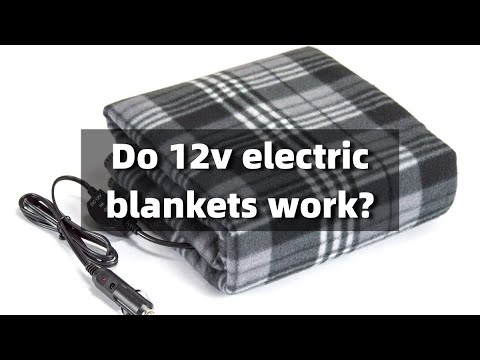
Not all heated blankets are created equal. When shopping for energy efficiency, look for models that carry Energy Star certification or feature dual-zone controls, allowing each side of the bed to be set at different temperatures. Overblankets (placed on top of you) are generally more efficient than underblankets (placed under the fitted sheet) because they retain body heat more effectively. Additionally, opt for blankets with multi-level heat settings so you can dial the temperature down as you drift off to sleep.
2. Pre-Heat Strategically
One of the most effective habits is to pre-heat your bed 15 to 30 minutes before getting in, then turn the blanket off or switch it to its lowest setting while you sleep. This approach leverages the insulating properties of your mattress and bedding to retain warmth long after the blanket has powered down. You will stay warm through the night while using a fraction of the electricity.
3. Maintain Your Blanket Properly

Regular maintenance ensures your blanket operates at peak efficiency. Frayed wires, dirty fabric, and worn-out heating elements can increase energy consumption and create safety hazards. Always follow the manufacturer’s cleaning instructions, store the blanket flat or loosely rolled, and never fold it tightly when storing, as this can damage the internal wiring and reduce thermal performance over time.
4. Layer Your Bedding
Using the electric blanket beneath a duvet or comforter traps heat more effectively, allowing you to use a lower setting. Think of the blanket as a base layer of warmth and your bedding as an insulator. This combination means you can cut the blanket’s wattage use in half while maintaining the same level of comfort.
5. Use Timers and Smart Plugs
If your blanket does not have a built-in auto-shutoff timer, consider plugging it into a smart plug or programmable outlet timer. These inexpensive devices allow you to schedule exactly when the blanket turns on and off, eliminating the risk of leaving it powered all night unnecessarily. This small investment can shave additional dollars off your electricity bill over the course of a season.
Electric Blanket vs. Space Heater vs. Central Heating: A Detailed Cost Comparison
When evaluating electric blanket energy saving potential, it is helpful to compare it directly against the two most common alternatives: space heaters and central heating systems. Each method has its strengths, but for overnight bedroom warming, the electric blanket is remarkably hard to beat.

| Factor | Electric Blanket | Space Heater | Central Heating |
| Wattage Range | 30–120W | 750–1,500W | 5,000–15,000W (whole house) |
| Zone Heating | Yes — personal | Yes — room level | No — whole house |
| Annual Cost Estimate | $15–$25 | $150–$300 | $500–$2,000+ |
| Safety Risk | Low (auto-shutoff models) | Moderate (fire hazard) | Low (built-in safety) |
| Best Use Case | Overnight sleep warmth | Short-term room heating | Whole-home comfort |
| Energy Efficiency Rating | Excellent | Good (for room heating) | Varies by system age |
The data makes it clear: for the specific purpose of staying warm while you sleep, an electric blanket uses a fraction of the energy required by any other electric heating method. Even when you factor in the modest savings you gain by lowering your thermostat, the net result is a significant reduction in your overall energy footprint.
Common Myths About Electric Blanket Energy Consumption
Despite their efficiency, several misconceptions about electric blankets persist. Let us debunk the most common ones so you can make decisions based on facts, not fears.
- Myth 1: “Electric blankets use as much energy as a space heater.” This is simply untrue. A typical blanket draws 60 to 100 watts, while a space heater draws 1,000 to 1,500 watts — ten times more.
- Myth 2: “Leaving an electric blanket on all night is dangerous and wastes electricity.” Modern blankets with auto-shutoff timers are designed to be safe for overnight use. However, turning it off after the initial warm-up period does save additional energy.
- Myth 3: “Electric blankets are only cost-effective for single users.” Even in a shared bed, dual-zone blankets allow each person to control their own side efficiently, still costing far less than heating the entire bedroom.
- Myth 4: “Older electric blankets waste more energy than newer ones.” While older models may lack energy-saving features like timers and low-wattage settings, they can still be efficient if used correctly. The real energy savings come from how you use the blanket, not just which model you own.
Frequently Asked Questions About Electric Blanket Energy Saving
Does using an electric blanket really reduce your heating bill?
Yes, absolutely. By using an electric blanket to stay warm in bed, you can lower your central thermostat by 5 to 10 degrees overnight. This dual strategy — low blanket wattage plus reduced central heating — typically saves homeowners between $30 and $100 per winter season, depending on your climate and heating system.
What is the most energy-efficient way to use an electric blanket?
The most energy-efficient method is to pre-heat your bed for 15 to 30 minutes on a medium setting, then switch to low or turn the blanket off entirely before falling asleep. Combining this with a lowered room thermostat amplifies your savings even further.
Are modern electric blankets safe to leave on overnight?
Most modern electric blankets with auto-shutoff timers are certified safe for overnight use by recognized safety organizations. However, for maximum energy savings, it is still best to turn the blanket off or set it to the lowest temperature once you are comfortable, rather than leaving it at full power all night.
Can an electric blanket replace a space heater in a bedroom?
For the purpose of warming a person in bed, yes — an electric blanket is far more energy-efficient than a space heater. However, if you need to warm the entire room for activities like reading or working, a space heater may still be necessary. The two are best used in complementary roles rather than as direct substitutes.
How long does an electric blanket typically last before needing replacement?
A well-maintained electric blanket can last between 5 and 10 years. Signs that it is time to replace yours include uneven heating, visible fraying of the wiring, a burning smell, or a thermostat that no longer responds accurately. Replacing an old, inefficient blanket with a newer low-wattage model can further reduce your energy costs.
Conclusion: Embracing Electric Blanket Energy Saving for a Warmer, Cheaper Winter
Electric blanket energy saving is not just a trend — it is a proven, practical strategy that delivers real results on your electricity bill. By understanding how these devices work, choosing energy-efficient models, and adopting smart usage habits, you can enjoy a warm and comfortable night’s sleep while spending mere pennies per night instead of dollars. Combine your electric blanket with a slightly lowered thermostat, proper layering of bedding, and a quality timer, and you have a winning formula for an efficient, affordable winter. The evidence is clear: for targeted personal heating, nothing beats the low-wattage, high-comfort solution that a quality electric blanket provides. Make the switch this season and feel the difference — both in warmth and in your wallet.