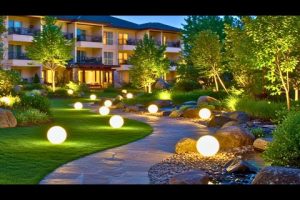



Exterior lights are far more than simple illumination devices bolted to the side of a building. They serve as the first impression of your home, enhance curb appeal, improve safety, and extend the usability of outdoor spaces well into the evening hours. Whether you are upgrading your front porch, illuminating a backyard patio, or hardwiring pathway lighting across your garden, choosing the right exterior lighting solutions can transform both the functionality and aesthetics of your property. This comprehensive guide walks you through everything you need to know — from the different types of outdoor fixtures available, to energy-efficient options, installation best practices, and expert maintenance tips that keep your exterior lights performing at their best for years to come.
Why Exterior Lighting Matters More Than You Think
Many homeowners underestimate the impact that well-placed outdoor illumination can have. Beyond just making your property visible after dark, exterior lights address several critical needs simultaneously. They deter intruders by eliminating dark zones around entry points, prevent trips and falls on steps, walkways, and uneven terrain, and create a warm, inviting atmosphere for entertaining guests or relaxing after sunset. Research consistently shows that homes with thoughtfully designed exterior lighting schemes sell faster and at higher prices, making outdoor fixtures a smart investment rather than a mere aesthetic choice.
Modern exterior lighting has evolved dramatically. Today’s market offers everything from solar-powered stake lights that require zero wiring to smart-connected fixtures you can control from your phone. The key is understanding your specific needs — security, ambiance, task lighting, or a combination of all three — so you can select products that deliver real value.
Types of Exterior Lights: A Complete Breakdown
The world of outdoor lighting is remarkably diverse. Understanding each category helps you make informed decisions tailored to your space.
1. Wall-Mounted Exterior Lights
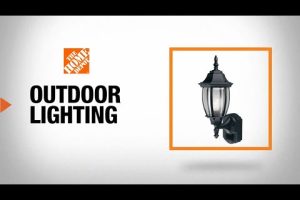
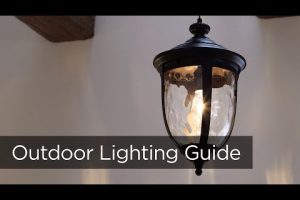
Also known as sconces or porch lights, wall-mounted fixtures are the backbone of most home exteriors. They are installed directly onto the façade, typically flanking front doors, garage entries, or patio access points. Common styles include lantern-shaped fixtures, modern linear sconces, and classic carriage lights. These fixtures serve dual purposes: they provide welcoming illumination for visitors and act as a strong security deterrent by lighting up entry zones.

Popular materials: Aluminum, brass, copper, stainless steel, and weather-resistant polymers.
2. Floodlights and Security Lights
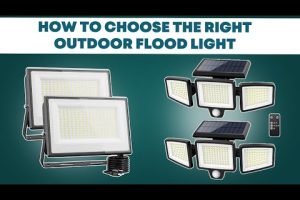
Floodlights deliver intense, broad-beam illumination across large areas such as driveways, backyard perimeters, and building facades. Motion-activated security lights are among the most popular exterior lighting solutions for homeowners concerned about property safety. Modern versions feature adjustable sensitivity settings, daylight sensors so they only activate at night, and LED technology that consumes a fraction of the energy older halogen models required.
3. Pathway and Step Lights
Low-profile pathway lights and step lights are embedded flush into the ground or mounted at ankle height along walkways. They guide foot traffic safely through gardens, along driveways, and across staircases. These fixtures are typically weatherproof (rated IP65 or higher) and designed to withstand exposure to rain, snow, and UV rays without degradation.
4. String Lights and Festoon Lights

Increasingly popular for patio and deck installations, string lights create a warm, inviting glow perfect for outdoor entertaining. Weather-resistant bulb options — including shatterproof plastic, LED, and vintage-style Edison bulbs — allow homeowners to combine ambiance with durability.
5. Spotlights and Accent Lights
These directional fixtures highlight architectural features, landscaping elements, trees, or garden sculptures. Adjustable heads allow you to aim the beam precisely, and varying beam angles (from narrow 10-degree spots to wider 40-degree floods) let you control the intensity and spread of illumination.
How to Choose the Right Exterior Lights for Your Home
Selecting outdoor lighting involves balancing several practical and aesthetic factors.
- Assess Your Purpose: Are you prioritizing security, ambiance, task lighting for cooking or reading outdoors, or a combination? Each goal demands different fixture types, brightness levels, and placement strategies.
- Check Weather Ratings: Look for fixtures with appropriate IP (Ingress Protection) ratings. An IP44 rating suits covered porches, while IP65 or higher is recommended for fully exposed areas subject to direct rain and hose spray.
- Consider Energy Source: Options include hardwired electrical connections, solar-powered units, battery-operated models, and low-voltage systems powered by outdoor transformers. Each has pros and cons in terms of installation complexity, ongoing costs, and brightness output.
- Match Your Home’s Style: Coastal homes benefit from marine-grade stainless steel fixtures, traditional properties pair well with aged bronze or copper finishes, and contemporary designs often call for clean-lined, matte-black or brushed-nickel housings.
- Plan Placement Strategically: Avoid placing floodlights directly into windows of neighboring properties, and position pathway lights to eliminate shadows that could create tripping hazards.
Comparing Popular Exterior Light Types
The table below provides a side-by-side comparison of the most common exterior lighting categories to help you evaluate which options align with your needs.
| Fixture Type | Primary Use | Energy Efficiency | Installation Difficulty | Average Lifespan |
| Wall-Mounted Sconces | Ambiance, entryway lighting | High (LED models) | Easy to Moderate | 10–25 years |
| Floodlights / Security Lights | Security, large-area illumination | High (LED) | Moderate | 15–20 years |
| Pathway / Step Lights | Safety, navigation | High (LED, Solar) | Easy | 8–15 years |
| String / Festoon Lights | Ambiance, entertainment | Moderate (LED) | Easy | 5–10 years |
| Accent / Spotlights | Feature highlighting | High (LED, Low-voltage) | Moderate to Hard | 10–20 years |
Installation Tips and Best Practices
Proper installation is the foundation of a reliable exterior lighting system. Even the highest-quality fixtures will underperform or fail prematurely if mounted incorrectly.
- Hire a licensed electrician for hardwired installations. Exterior circuits require GFCI (Ground Fault Circuit Interrupter) protection, and improper wiring poses serious safety risks including electrical fire and shock hazards.
- Use waterproof wire connectors and conduit for any exposed low-voltage cabling. Even outdoor-rated cables degrade faster without physical protection from UV rays and moisture.
- Position solar fixtures where they receive at least 6–8 hours of direct sunlight daily. Shaded locations dramatically reduce charging efficiency and nighttime runtime.
- Anchor ground-mounted lights with stakes or concrete bases. Loose fixtures shift over time, creating uneven illumination and potential tripping hazards.
- Group fixtures on separate circuits when possible. This allows you to control zones independently and troubleshoot issues without losing all outdoor lighting at once.
Maintenance Tips for Long-Lasting Exterior Lighting
Exterior lights endure harsh conditions — rain, snow, extreme heat, salt air near coastlines, and relentless UV exposure. A simple maintenance routine dramatically extends their lifespan.
- Clean fixtures regularly. Remove dirt, pollen, cobwebs, and insect buildup from lenses and housings. A soft cloth and mild soapy water are usually sufficient; avoid abrasive cleaners on finished surfaces.
- Replace bulbs promptly when output dims. LED fixtures can gradually lose brightness before failing entirely. Replacing aging LEDs restores full illumination and ensures your security lighting remains effective.
- Inspect seals and gaskets annually. Compromised weatherproofing allows moisture inside the fixture housing, causing corrosion and electrical faults. Replace damaged seals immediately.
- Trim vegetation away from fixtures. Overgrown plants block light output, trap moisture against fixtures, and in some cases create fire hazards near hot-running halogen bulbs.
- Test motion sensors and timers monthly. Dust and debris can impair sensor accuracy, causing lights to activate unnecessarily or fail to trigger when needed.
Energy Efficiency and Sustainability in Outdoor Lighting
The shift from incandescent and halogen bulbs to LED technology in exterior lights represents one of the most significant advancements in residential lighting. LED exterior fixtures consume up to 80% less energy than their halogen equivalents while lasting 5 to 10 times longer. Solar-powered exterior lights have also improved substantially — modern models feature efficient lithium-ion batteries, high-lumen LED chips, and intelligent dusk-to-dawn sensors that maximize energy harvesting.
For homeowners seeking to reduce their environmental footprint, combining solar pathway lights with a few hardwired LED fixtures creates a balanced, sustainable outdoor lighting system. Low-voltage LED systems powered by a single outdoor transformer offer even greater efficiency and can integrate seamlessly with smart home ecosystems for automated scheduling and brightness control.
Trending Exterior Lighting Ideas for 2025
The latest trends in outdoor illumination reflect broader movements toward smart home integration and minimalist design aesthetics. Color-adjustable LED fixtures allow homeowners to change the mood of their patios with a tap on their smartphone. Blackout-proof, dark-sky-compliant fixtures reduce light pollution and are increasingly required by local municipalities. Line-voltage LED tape lighting concealed behind architectural details offers a sleek, modern alternative to traditional fixtures. Additionally, matte-black and matte-chrome finishes continue to dominate consumer preferences, complementing everything from farmhouse-style homes to ultra-modern builds.
Final Thoughts
Investing in quality exterior lights pays dividends in safety, security, property value, and sheer enjoyment of your outdoor spaces after dark. The key is to approach outdoor illumination thoughtfully — plan your layout, select fixtures suited to each zone’s purpose, prioritize weather durability and energy efficiency, and commit to a light maintenance schedule. Whether you are starting from scratch or upgrading individual fixtures, the guidance in this article should help you navigate the options with confidence and achieve results that look professional and perform reliably for years to come.
Frequently Asked Questions
What is the best type of exterior light for home security?
Motion-activated LED floodlights with adjustable sensitivity and daylight sensors are widely regarded as the most effective exterior lighting for home security. They illuminate potential intruders’ approach paths instantly and consume minimal energy since they remain off until triggered.
How do I know which IP rating my exterior lights need?
For fully exposed areas subject to direct rain, choose fixtures rated IP65 or higher. For sheltered locations such as covered porches and eaves, IP44 is generally sufficient. The first digit indicates dust protection, and the second digit indicates water protection — higher numbers mean greater resilience.
Can I install exterior lights myself, or should I hire a professional?

Simple plug-in solar lights, battery-operated fixtures, and low-voltage landscape lighting kits are excellent DIY projects. However, any hardwired installation connected to your home’s mains electrical supply should be performed by a licensed electrician to ensure code compliance and safety.
How long do LED exterior lights typically last?
Quality LED exterior fixtures have an average lifespan of 15,000 to 50,000 hours, translating to approximately 10 to 25 years of typical evening-only use. This longevity is one of the primary reasons LED technology has become the standard for outdoor lighting.
Are solar exterior lights bright enough for practical use?
Modern solar exterior lights have improved significantly, with many models producing 200 to 800 lumens — sufficient for pathway marking, step illumination, and accent lighting. However, for high-brightness applications like floodlighting or large-area security coverage, hardwired LED fixtures remain the superior choice.
What color temperature is best for exterior lights?
Warm white light (2700K–3000K) creates a inviting, residential atmosphere ideal for porches and patios. Cool white (4000K–5000K) offers better visibility for security and task lighting applications such as garage entrances and driveways. Choosing the right color temperature depends on the mood and function of each specific outdoor area.