


When you think about what makes a home feel welcoming after dark, exterior porch lights are one of the first things that come to mind. These fixtures do far more than simply illuminate your front steps—they set the tone for your home’s curb appeal, enhance safety for family and guests, and act as a powerful deterrent against unwanted intruders. Whether you are renovating a vintage farmhouse or upgrading a modern townhouse, choosing the right porch light involves understanding lumens, beam angles, energy efficiency, and architectural style. In this comprehensive guide, we will walk you through every aspect of selecting, installing, and maintaining exterior porch lights that perform beautifully and last for years.
What Are Exterior Porch Lights and Why Do They Matter?
Exterior porch lights are specialized lighting fixtures designed to mount above or beside a front door, deck entrance, or covered patio. They serve a dual purpose: functional illumination for navigating outdoor spaces safely at night, and aesthetic enhancement that elevates your home’s architectural character. According to the U.S. Department of Energy, outdoor lighting accounts for a significant portion of residential energy use, which means your porch light choice directly impacts both your electricity bill and your environmental footprint.
Beyond utility, porch lights send a powerful signal. A well-lit entrance signals that a home is occupied and cared for, which is one of the most effective home security strategies burglars consistently avoid. Studies from the University of North Carolina’s Department of Criminal Justice and Criminology found that most intruders actively seek unlit properties, making a quality exterior fixture one of the simplest yet most impactful investments a homeowner can make.
Types of Exterior Porch Lights You Should Consider
The modern market offers a staggering variety of porch light styles and technologies. Understanding the differences helps you narrow your options based on budget, design preference, and intended use. Below are the most popular categories homeowners and electricians recommend.
LED Porch Lights
Light Emitting Diode (LED) porch lights have become the dominant choice for new residential installations. They consume up to 75% less energy than traditional incandescent bulbs and last anywhere from 15,000 to 50,000 hours depending on the model. LED technology has advanced dramatically, with options now available in warm amber tones that replicate the cozy glow of classic Edison bulbs while delivering superior efficiency. Leading brands like Hampton Bay, Kichler, and Hampton produce LED porch lights in styles ranging from sleek contemporary to ornate Victorian.
Solar-Powered Porch Lights
Solar-powered exterior lights eliminate the need for hardwired electrical connections entirely. They charge during the day using a built-in photovoltaic panel and automatically illuminate at dusk via an integrated sensor. These are ideal for rental properties, remote entrances, and eco-conscious homeowners who want to reduce their carbon footprint. However, performance depends heavily on geographic location and daily sun exposure. In heavily shaded areas or during winter months, solar lights may not provide consistent brightness throughout the night.
Motion-Activated Security Porch Lights

Motion-sensor porch lights are a staple of home security lighting. These fixtures detect movement within a set range—typically 15 to 100 feet—and flood the area with bright light, startling intruders and alerting homeowners. Many models today feature adjustable sensitivity settings, customizable timers, and even Wi-Fi connectivity that lets you monitor and control the light through a smartphone app. Brands like Ring, Mr. Beams, and Heath Zenith offer popular motion-activated options at various price points.
Traditional Incandescent and Halogen Options
For homeowners who prioritize a specific warm, nostalgic glow, traditional incandescent and halogen porch lights remain available. These bulbs produce a rich, golden light that many people find aesthetically pleasing, especially for Colonial, Craftsman, and Mediterranean-style homes. The trade-off is significantly higher energy consumption and shorter bulb lifespans compared to LEDs. Halogen variants offer slightly better efficiency than standard incandescents but still lag behind modern LED technology.
How to Choose the Right Exterior Porch Light for Your Home
Selecting the perfect porch light requires balancing several factors. Here is a step-by-step framework to guide your decision.
- Determine Your Primary Purpose: Is the light mainly for decorative ambiance, safety navigation, or security surveillance? This drives every other decision.
- Match the Fixture Style to Your Architecture: A wrought-iron lantern suits a French country home, while a brushed-nickel sconce complements a minimalist mid-century design.
- Check the Lumens Rating: For a standard front porch, aim for 1,500 to 3,000 lumens. This provides enough brightness to deter intruders without creating glare that blinds approaching visitors.
- Consider the Color Temperature: Warm white (2700K–3000K) creates a welcoming atmosphere, while cool white (4000K+) is better suited for security-focused installations.
- Evaluate Weather Resistance: Look for fixtures with an IP rating of at least IP44 for outdoor use, ensuring protection against dust and water splashes.
Brightness and Lumens Guide
Lumens measure the total amount of visible light a bulb emits. Many consumers confuse wattage with brightness, but wattage only measures energy consumption. Here is a quick reference to help you choose the right lumen output for your porch light application.
| Porch Light Use Case | Recommended Lumens | Suggested Color Temp |
| Decorative Ambiance | 400 – 800 | 2700K Warm White |
| Standard Front Porch | 1,500 – 3,000 | 2700K – 3000K |
| Security / Motion-Activated | 3,000 – 5,000 | 3000K – 4000K |
| Large Covered Entryway | 4,000 – 6,000 | 3500K Neutral White |
Style and Curb Appeal Considerations
Your porch light is one of the first things visitors and passersby notice about your home’s exterior. A black iron lantern adds rugged charm to a farmhouse, while a brushed stainless steel wall-mounted sconce looks right at home on a modern ranch. For a coastal aesthetic, consider fixtures with glass panels and beach-inspired finishes. The key is to ensure the fixture’s material, finish, and silhouette harmonize with your home’s exterior palette—door hardware, siding color, and landscaping should all inform your choice.
Installation Tips and Wiring Basics for Exterior Porch Lights
Installing a porch light ranges from a simple plug-in project to a full electrical wiring job depending on your setup. For hardwired installations, always turn off the circuit breaker at the main panel before touching any wiring. Use a weather-resistant junction box rated for outdoor exposure, and ensure all wire connections are sealed with silicone-filled wire nuts or weatherproof connectors.
If you are mounting a solar porch light, positioning is critical. Place the photovoltaic panel in direct sunlight for at least six hours daily, and mount the light fixture at a height of six to eight feet above the ground for optimal coverage. For motion-activated security lights, aim the sensor at the primary approach path—typically the front walkway or driveway—and avoid pointing the sensor directly at trees or bushes that could trigger false alarms.
Pro Tip: If your porch light flickers or dims intermittently, the issue is often a loose wire connection inside the junction box or a fixture that is incompatible with a dimmable LED bulb. Always verify that both the fixture and the bulb are rated for dimming if you plan to use a dimmer switch.
Comparison: Best Porch Light Types at a Glance
To help you quickly compare the major porch light categories, here is a side-by-side overview of their strengths and limitations.
| Type | Energy Efficiency | Lifespan | Best For | Average Cost Range |
| LED Porch Light | Excellent | 15,000–50,000 hrs | All-around use | $20 – $150 |
| Solar Porch Light | Outstanding | 10,000–25,000 hrs | No wiring needed | $15 – $80 |
| Motion-Activated | Very Good (with LED) | 15,000–40,000 hrs | Security & safety | $25 – $200 |
| Incandescent / Halogen | Poor | 1,000–5,000 hrs | Aesthetic warmth | $10 – $60 |

Maintenance Tips for Long-Lasting Exterior Porch Light Performance
Even the highest-quality porch light will underperform if it is not properly maintained. Here are actionable steps every homeowner should take to keep exterior fixtures operating at peak performance.
- Clean fixtures monthly: Dust, pollen, and insect debris accumulate on lenses and significantly reduce light output. A quick wipe with a damp microfiber cloth restores full brightness.
- Replace bulbs on schedule: Even long-lasting LED bulbs dim over time. Replace them when you notice a visible drop in brightness or a shift in color temperature.
- Inspect seals and gaskets annually: Weatherstripping around the fixture housing prevents moisture intrusion that causes internal corrosion and short circuits.
- Tighten mounting hardware: Wind, vibration, and temperature cycling can loosen screws over time. A quick tightening session twice a year prevents fixtures from swaying or falling.
- Check the photocell sensor: If your porch light has an automatic dusk-to-dawn sensor, clean the sensor cell with a dry cloth. Dirt accumulation causes erratic on/off cycling.
Final Thoughts on Choosing Exterior Porch Lights
The perfect exterior porch light is one that seamlessly blends functionality, aesthetics, and energy efficiency to suit your specific home and lifestyle. Whether you invest in a premium smart LED fixture with motion detection or a beautifully crafted solar lantern for a low-maintenance approach, the most important thing is that your entrance is well-lit, inviting, and safe. Take your time evaluating options, compare lumen outputs and finishes, and do not underestimate the transformative effect a single thoughtfully chosen fixture can have on your home’s overall first impression.
Frequently Asked Questions
What is the best exterior porch light for a small front entryway with limited wiring access?
Solar-powered porch lights are the ideal solution for small entries with no electrical outlet nearby. Look for models with at least 500 lumens and a rechargeable battery that provides 8–12 hours of runtime per charge. Mount the solar panel on the roofline or a south-facing wall to maximize daily charging.
How many lumens do I need for a front porch security light?
For effective security illumination, aim for 3,000 to 5,000 lumens. This range is bright enough to deter intruders and clearly illuminate your entire porch and walkway without producing excessive glare that disturbs neighbors. Pairing this brightness with a motion sensor ensures the light activates only when needed, conserving energy.
Can I use a dimmable porch light with a standard wall switch?
Yes, but you need three compatible components: a dimmable LED bulb, a dimmable porch light fixture, and a dimmable wall switch or dimmer module. Using a non-dimmable bulb on a dimmer circuit can cause flickering, buzzing, and premature bulb failure. Always check the packaging of each component for dimming compatibility.
What IP rating should an exterior porch light have for all-weather durability?
Choose a fixture with a minimum IP44 rating, which guarantees protection against solid objects larger than 1mm and water splashes from any direction. For coastal areas or regions with heavy snowfall, an IP65 rating offers complete dust protection and resistance to low-pressure water jets, ensuring the fixture survives harsh outdoor conditions for many years.
Are smart porch lights worth the extra cost compared to standard fixtures?
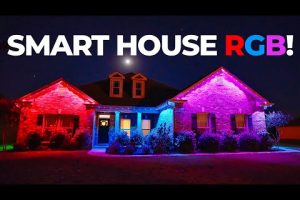
Smart porch lights add genuine value if you want remote control, scheduling, and integration with your existing smart home ecosystem. Brands like Ring and Philips Hue offer porch lights that connect to Wi-Fi or the Zigbee protocol, allowing you to adjust brightness, change color temperature, and set automated triggers from your phone. The convenience and energy savings can justify the higher upfront cost for tech-savvy homeowners.
What finish works best for exterior porch lights in a coastal or salt-air environment?
In coastal regions, opt for fixtures made from marine-grade stainless steel, powder-coated aluminum, or synthetic materials like UV-resistant polymer. These finishes resist salt corrosion far better than raw brass, copper, or untreated iron. Avoid fixtures with exposed fasteners made from carbon steel, as they will rust quickly in salt-air environments.