Automatic light bulbs have transformed the way we illuminate our homes, offices, and public spaces. Unlike traditional bulbs that require manual switching, these intelligent lighting solutions respond to environmental cues, user behavior, and programmed schedules — delivering convenience, energy savings, and enhanced security in ways that older technology simply cannot match. If you have ever walked into a room and wished the lights would just turn on by themselves, or if you want to slash your electricity bill without sacrificing comfort, you are in the right place. This comprehensive guide covers everything from the underlying technology and bulb types to buying recommendations, practical tips, and frequently asked questions that will help you make informed decisions about upgrading your lighting setup.
What Are Automatic Light Bulbs?
Automatic light bulbs — often referred to as smart bulbs, self-adjusting bulbs, or sensor-enabled LED bulbs — are lighting devices that can turn on, turn off, dim, or change color without requiring a manual switch. These bulbs integrate embedded sensors, wireless communication modules, and sometimes microprocessors to operate autonomously or respond to remote commands through smartphone apps and voice assistants.
The term “automatic light bulb” encompasses a broad category. It includes motion-activated bulbs that illuminate when they detect movement, daylight-responsive bulbs that adjust brightness based on ambient light levels, and fully connected smart bulbs that follow complex routines programmed by the user. Understanding the distinction between these categories is essential because each serves different use cases and comes with its own set of capabilities and limitations.
How Do Automatic Light Bulbs Work?
At the core of every automatic light bulb lies a combination of sensing hardware, processing logic, and communication technology that work together to create a seamless lighting experience. Let us break this down into the key components.
Sensor Technologies Inside Smart Bulbs
Most automatic light bulbs rely on one or more of the following sensor types to trigger their behavior:
- PIR (Passive Infrared) Sensors: Detect body heat and movement within a designated radius. These are the most common sensors in motion-activated bulbs and are highly effective for security and hallway lighting.
- Photocells / Light Sensors: Measure the ambient light level in a room. When natural light drops below a threshold — such as during sunset or on overcast days — the bulb automatically illuminates or increases brightness.
- Proximity Sensors: Use ultrasonic or capacitive technology to detect the presence of a person nearby without requiring full-body movement, making them ideal for desk lamps and bedside fixtures.
- Sound Sensors: Less common but increasingly popular in certain smart bulb ecosystems, these detect claps, voice commands, or specific audio patterns to trigger lighting changes.
Communication Protocols
Connected automatic light bulbs communicate with hubs, routers, or directly with your smartphone using wireless protocols such as Wi-Fi, Bluetooth, Zigbee, Z-Wave, or Thread. Each protocol has trade-offs in range, power consumption, and compatibility with smart home ecosystems like Google Home, Amazon Alexa, Apple HomeKit, and Samsung SmartThings.
Types of Automatic Light Bulbs
The market offers several distinct categories of automatic lighting solutions, each tailored to specific needs and preferences.
- Motion-Activated Bulbs: These turn on when movement is detected and typically shut off after a set period of inactivity. They are perfect for bathrooms, garages, basements, and outdoor pathways.
- Daylight Harvesting Bulbs: Equipped with photocells, these bulbs automatically adjust brightness or switch on/off based on the surrounding natural light. They are commonly used in office buildings and commercial spaces to reduce energy waste.
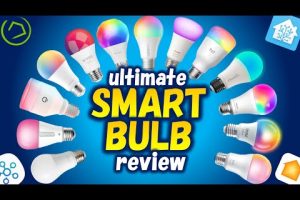
- Smart RGB Bulbs: Fully programmable bulbs that allow users to set schedules, scenes, and automation rules. Brands like Philips Hue, LIFX, and Sengled offer models that support millions of colors and detailed customization.
- Adaptive Learning Bulbs: A newer category that uses machine learning algorithms to study your daily habits and progressively adjust lighting patterns to match your preferences over time.
Benefits of Automatic Light Bulbs
The advantages of switching to automatic lighting extend well beyond simple convenience. Here is a detailed look at why homeowners and businesses are making the switch.

- Energy Savings: Automatic light bulbs reduce wasted electricity by ensuring lights are only on when needed. Studies indicate that sensor-based lighting can cut energy consumption by 30% to 50% in residential settings.
- Extended Bulb Lifespan: Because automatic bulbs spend less time operating at full power — dimming when unnecessary or switching off entirely — their overall lifespan increases significantly compared to manually controlled alternatives.
- Enhanced Home Security: Motion-activated bulbs simulate occupancy when you are away, deterring potential intruders. Paired with geofencing features, your bulbs can activate as soon as your phone detects you leaving home.
- Accessibility and Convenience: For elderly users, individuals with mobility challenges, or anyone juggling multiple tasks, automatic lighting removes the need to physically reach a switch, improving safety and independence.
- Mood and Productivity: Smart bulbs with tunable white light and color-changing capabilities can support circadian rhythms, improve focus during work hours, and create relaxing atmospheres in the evening.
Popular Automatic Light Bulb Brands and Models
Choosing the right automatic light bulb can feel overwhelming given the sheer number of options available. Below is a comparison of some of the most popular models on the market as of 2024.
| Brand & Model | Type | Connectivity | Key Feature | Approx. Price |
| Philips Hue White & Color | Smart RGB | Zigbee / Wi-Fi | 16 million colors, scenes | $50-$65 |
| LIFX A19 Color | Smart RGB | Wi-Fi (no hub) | No hub required, 1600 lumens | $45-$60 |
| Sengled Motion Bulb | Motion-Activated | Zigbee | Built-in PIR sensor, daylight harvesting | $25-$35 |
| Wyze Bulb Color | Smart RGB | Wi-Fi | Budget-friendly, Alexa/Google support | $10-$15 |
| GE Cync Adaptive LED | Daylight Harvesting | Wi-Fi / SmartThings | Auto-adjusts brightness based on ambient light | $20-$30 |
When comparing these options, consider not only the upfront cost but also whether the bulb requires a separate hub, which ecosystem it integrates with, and whether its sensor features align with your intended use case.
How to Choose the Right Automatic Light Bulb
Selecting the best automatic light bulb for your space involves evaluating several practical factors that go beyond brand names and marketing claims.

1. Assess Your Space and Use Case

Ask yourself what problem you are trying to solve. Do you need lights that turn on when someone enters a dark hallway? A motion-activated PIR bulb is your best bet. Do you want bulbs that respond to natural light changes throughout the day? Look for models with built-in photocells. If you are building an entire smart home ecosystem, prioritize bulbs that support the same protocol as your existing devices.
2. Check Compatibility
Not every automatic bulb works with every fixture. Verify the bulb’s base type (Edison E26, E27, GU10, etc.), maximum wattage equivalent, and dimmer switch compatibility before purchasing. Some smart bulbs do not function properly with traditional dimmer switches and require compatible smart dimmers or direct wiring.
3. Evaluate Network Requirements
Wi-Fi bulbs like the Wyze Bulb Color offer plug-and-play simplicity but can strain your home network if you install dozens of them. Zigbee and Z-Wave bulbs are more efficient for larger installations but require a compatible hub. Bluetooth-based bulbs work well for small setups but have limited range.
4. Prioritize Lumens Over Watts
When shopping for automatic LED bulbs, focus on lumens — the measure of brightness — rather than wattage. A bulb rated at 800 lumens replaces a traditional 60W incandescent, while 1100 lumens replaces a 75W bulb. Choosing the right brightness level prevents over-illumination and maximizes energy efficiency.
Expert Tips for Getting the Most Out of Your Automatic Light Bulbs
Even the best smart bulb will underperform if it is not set up and used correctly. Here are some tried-and-tested recommendations from lighting professionals.
- Group bulbs by room or zone: Creating groups within your smart home app allows you to control multiple bulbs simultaneously, making automation rules far more practical and easier to manage.
- Set gradual fade-on transitions: Instead of an abrupt on/off trigger, configure your bulbs to fade in over 30 to 60 seconds. This mimics natural light changes and is far easier on the eyes.
- Use geofencing for outdoor security: Link your motion-activated bulbs to your phone’s location so they activate automatically when you leave home and deactivate when you return.
- Layer your lighting: Combine automatic overhead bulbs with task lighting and accent fixtures for a balanced, dynamic lighting environment that adapts to different activities throughout the day.
- Update firmware regularly: Smart bulbs receive software updates that improve performance, fix bugs, and add new features. Keeping them updated ensures optimal operation and security.
FAQ: Common Questions About Automatic Light Bulbs
Do automatic light bulbs work without Wi-Fi? Many motion-activated and daylight-harvesting bulbs operate independently without any internet connection because their sensors trigger local behavior. However, fully smart bulbs that rely on cloud processing, app control, or voice assistant integration will lose remote functionality without Wi-Fi. Some models retain basic on/off and dimming capabilities over Bluetooth even when the internet is down.
How much energy do automatic light bulbs save compared to traditional bulbs? Studies and user reports suggest that automatic light bulbs — particularly those with occupancy sensors and daylight harvesting — can reduce lighting energy consumption by 30% to 50%. LED-based smart bulbs themselves use roughly 75% less energy than incandescent bulbs, and the automation layer compounds those savings by eliminating unnecessary runtime.
Can automatic light bulbs be used with existing dimmer switches? This depends on the bulb model. Most smart bulbs are designed to work directly in standard sockets without a dimmer switch. If you want dimming functionality, use the bulb’s native app controls or install smart dimmer switches that are explicitly compatible with the brand and model you choose. Mixing incompatible dimmers with smart bulbs can cause flickering or premature failure.
What is the average lifespan of an automatic light bulb? High-quality automatic LED bulbs typically last between 15,000 and 25,000 hours, which translates to roughly 15 to 25 years of average household use. The automation features themselves — sensors, wireless modules, and microprocessors — generally share a similar lifespan, though battery-powered sensor components may need replacement sooner depending on usage frequency.
Are automatic light bulbs safe for outdoor use? Many models are rated IP65 or higher, meaning they are dust-tight and protected against water jets, making them suitable for porches, patios, and garden pathways. Always verify the Ingress Protection rating before installing any automatic bulb outdoors, and avoid placing non-rated bulbs in exposed areas where rain or snow could cause damage or electrical hazards.
Conclusion
Automatic light bulbs represent one of the most impactful upgrades you can make to any living or working space. They deliver tangible benefits — lower energy bills, enhanced security, improved accessibility, and a more comfortable environment — while adding a layer of intelligence that traditional lighting simply cannot provide. Whether you start with a single motion-activated bulb for your garage or invest in a full smart lighting ecosystem, the technology is mature, affordable, and increasingly intuitive. By understanding the different types, evaluating your specific needs, and following the practical tips outlined in this guide, you are well-equipped to choose the right automatic light bulbs and set them up for long-term success. The future of lighting is not just about illumination — it is about adaptation, efficiency, and seamless integration into the way we live.