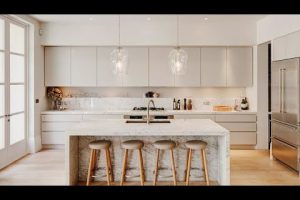
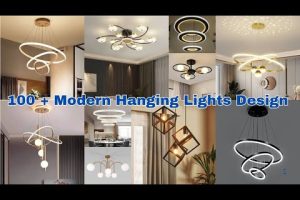
When it comes to kitchen design, the space above your sink is arguably one of the most important lighting zones in the entire room. The right hanging light over kitchen sink doesn’t just illuminate your workspace—it sets the mood, highlights your backsplash, and elevates the overall aesthetic of your culinary space. Whether you’re renovating an outdated galley kitchen or building a dream chef’s kitchen from scratch, choosing the perfect fixture for above your sink can feel overwhelming. There are so many styles, sizes, bulb types, and mounting options that the decision goes far beyond picking something that “looks nice.” In this comprehensive guide, we’ll walk you through everything you need to know about selecting, installing, and styling hanging lights over your kitchen sink, from beginner basics to advanced design strategies that interior designers swear by.
Why Lighting Above the Kitchen Sink Matters So Much
The area directly above your kitchen sink serves multiple functional and aesthetic purposes. It’s where you rinse vegetables, wash dishes, and often prep ingredients. Without proper illumination, shadows can fall across the basin, making tasks harder and less enjoyable. A well-chosen pendant light or hanging fixture solves this problem while also acting as a visual anchor in the kitchen. Think of it as the jewelry of your kitchen—small in footprint, but capable of transforming the entire room’s character.
Beyond task lighting, an overhead hanging fixture creates a defined zone within open-concept floor plans. It signals to anyone walking through the space that this is a dedicated work area. Research in environmental psychology even suggests that well-lit kitchen workspaces improve mood and reduce fatigue during cooking sessions. So the hanging light over kitchen sink isn’t just décor—it’s a functional investment in your daily quality of life.
Types of Hanging Lights for Above the Kitchen Sink
Not all hanging fixtures are created equal. The type you choose depends on your ceiling height, kitchen size, personal style, and how much light output you need. Below are the most popular categories that homeowners and interior designers recommend.
1. Single Pendant Lights
A single pendant light is the most classic choice for above a kitchen sink. It typically features one shade or globe suspended from a cord, chain, or rigid rod. These work beautifully over standard single-basin sinks and are ideal for small to medium-sized kitchens where a larger fixture would feel overwhelming.
2. Multi-Light Pendant Arrangements

If you have a double sink or a wider basin, a row of two or three mini pendants creates a striking, balanced look. These are especially popular in farmhouse and modern transitional kitchens. The spacing between each light matters—keep them roughly 12 to 18 inches apart for even illumination.
3. Semi-Flush and Semi-Pendant Fixtures
For kitchens with lower ceilings (8 feet or under), semi-pendant lights hang partway down and then flare outward. They provide the visual interest of a hanging fixture without eating up precious headroom. These are often overlooked but are a game-changer for compact apartments and condos.
4. Chandeliers and Crystal Pendants

Don’t limit yourself to casual or rustic styles. A small crystal chandelier or a tiered chandelier hanging above the sink can add instant elegance to a formal kitchen. Just make sure the crystals don’t hang too low where they could be splashed with water.
5. Track-Mounted and Adjustable Spotlights
For a sleek, minimalist look, track-mounted spotlights or adjustable rail lights hung directly over the sink area provide targeted beam lighting. These are less “decorative” but incredibly functional, especially for task-oriented cooks who need precise, shadow-free lighting.
Sizing Your Hanging Light Over the Kitchen Sink
Getting the dimensions right is critical. A fixture that’s too small gets lost visually, while one that’s too large can dominate the space and even interfere with movement. Here’s a practical sizing guide to follow.
| Counter Width / Sink Length | Recommended Fixture Width |
| Up to 24 inches | 10–14 inches |
| 24–36 inches | 14–18 inches |
| 36–48 inches | 18–24 inches |
| 48 inches or wider | 24–30 inches (or multi-fixture row) |
As a general rule, the fixture should be about two-thirds to three-quarters the width of the sink or countertop it sits above. For height, position the bottom of the pendant between 30 and 36 inches above the countertop surface. This keeps the light in the direct sightline for task work without creating a hazard or blocking views across the kitchen.
Best Light Bulb Choices for Hanging Kitchen Sink Fixtures
The bulb you select dramatically affects the ambiance and functionality of your hanging light. Here’s a breakdown of the most common options and when to use each one.
- LED Bulbs (Recommended) – Energy-efficient, long-lasting, and available in a range of color temperatures. LEDs produce very little heat, which is essential when a fixture hangs close to a water source.
- Warm White (2700K–3000K) – Creates a cozy, inviting glow perfect for evening cooking and entertaining. This is the most popular choice for residential kitchens.
- Neutral White (3500K–4000K) – A balanced, clean light that works well for task-heavy cooking environments. Great for modern and Scandinavian-style kitchens.
- Daylight (5000K+) – Crisp and bright, best suited for workshops or utility kitchens where color accuracy matters for food prep.
- Edison and Filament Bulbs – These add a vintage charm and visible filament detail, but they’re typically used decoratively alongside a brighter secondary light source for actual task work.
Always check the fixture’s maximum wattage rating and dimmer compatibility before purchasing bulbs. A dimmable LED paired with a smart dimmer switch gives you complete control over brightness throughout the day, from bright morning prep to soft evening ambiance.
Style and Material Considerations
The material and finish of your hanging light should coordinate with other hardware in the kitchen—cabinet pulls, faucet finishes, backsplash tiles, and countertop edges. Consistency creates a cohesive, designed look rather than a hodgepodge of mismatched elements.
Popular Material and Style Pairings
- Brass or Gold Finish – Pairs beautifully with subway tile, butcher block, and warm wood cabinetry. A brass hanging pendant over a white subway tile backsplash is a timeless combination.
- Brushed Nickel or Stainless Steel – Works well in contemporary and transitional kitchens. These finishes resist fingerprints and moisture, making them practical choices near a sink.
- Matte Black – A bold, modern choice that complements dark cabinets, concrete countertops, and industrial design elements.
- Glass or Acrylic Shades – Allow maximum light diffusion and are easy to clean. Frosted glass pendants are particularly forgiving in humid kitchen environments.
- Woven Rattan or Seagrass – Adds organic texture and warmth. Popular in boho and coastal kitchen designs, though they require occasional dusting.
Installation Tips and Electrical Considerations
Before you fall in love with a fixture, make sure your kitchen is ready to support it. Hiring a licensed electrician is always recommended for any hardwired installation, but understanding the basics helps you have productive conversations with your contractor.
- Check Ceiling Structure – Determine whether your ceiling is joisted, plastered, or has a soffit. Each requires a different mounting approach. For plaster ceilings, use a proper ceiling fan brace or toggle bolt rated for the fixture’s weight.
- Verify Electrical Box Rating – The electrical box above the sink must be rated for the weight of the hanging fixture. Standard plastic boxes are often insufficient for heavier metal or glass pendants.
- Proximity to Water – Follow the National Electrical Code (NEC) guidelines for fixtures near sinks. The fixture should be at least 12 inches away from the sink faucet to avoid splash damage and electrical hazards.
- Dimmable Circuits – Ask your electrician to install a dimmer switch on the circuit that powers your sink light. This adds versatility and energy savings.
- Hardwired vs. Plug-In – Hardwired fixtures offer a cleaner, more permanent look and are generally safer. Plug-in pendants are easier to install but may not be code-compliant in all jurisdictions.
Common Mistakes to Avoid
Even experienced homeowners make mistakes when selecting and installing hanging lights above the kitchen sink. Steering clear of these pitfalls saves time, money, and frustration.
- Choosing a fixture that’s too low – This creates a head-bumping hazard and obstructs sightlines, especially in kitchens where people sit at adjacent counters or islands.
- Ignoring the scale of the kitchen – A massive chandelier in a tiny galley kitchen makes the space feel even smaller. Always consider the room’s proportions first.
- Using the wrong color temperature – Cool blue light (above 4000K) can make food look unappetizing and create a sterile atmosphere in a space meant for warmth and gathering.
- Forgetting about cleaning access – Kitchens generate grease and cooking residue. Choose fixtures that are easy to wipe down or remove for cleaning.
- Matching everything too perfectly – While coordination matters, an exact match to every other metal in the kitchen can look overly staged. Try mixing two complementary finishes for a curated, designer look.
Trending Hanging Light Styles for Kitchen Sinks in 2024
Design trends evolve, but certain directions dominate the current landscape of kitchen lighting. Here’s what’s trending right now among homeowners and interior designers alike.
- Oversized Single Orbs – Large, sculptural globe pendants in matte black or brass make a bold statement above farmhouse sinks.
- Linear Multi-Light Bars – Sleek, bar-shaped fixtures with three or more lights in a row are perfect for long double sinks and open-concept layouts.
- Tall Cylinder Pendants – Vertical designs that draw the eye upward and work well in kitchens with higher ceilings (9 feet and above).
- Mixed Material Fixtures – Combinations like wood and metal, or rattan with brass, add layered texture and visual interest.
Conclusion
Selecting a hanging light over kitchen sink is one of the most impactful decisions you’ll make during a kitchen renovation or redesign. It affects everything from how safely you can chop vegetables at 6 a.m. to how beautifully your space looks when entertaining guests. By considering the fixture type, size, material, bulb temperature, and installation requirements carefully, you can create a kitchen that is both stunningly beautiful and wonderfully functional. Take your time, gather inspiration, and don’t be afraid to mix styles—the best kitchens always have a personal touch that reflects the people who cook and gather there.
Frequently Asked Questions
What is the best hanging light size for a small kitchen sink?
For a small kitchen sink (typically under 30 inches wide), choose a single mini pendant between 10 and 14 inches in diameter. A compact drum shade or a small glass globe works best. Avoid anything wider than two-thirds the sink width, as it will visually overwhelm the space.
How high should a hanging light be installed above a kitchen sink?
The bottom of the fixture should hang between 30 and 36 inches above the countertop. For standard 8-foot ceilings, this means the fixture hangs roughly 60 to 72 inches below the ceiling. Always ensure it doesn’t interfere with the movement of anyone standing at the sink or adjacent counters.
Can I use a plug-in hanging pendant light over my kitchen sink?
Plug-in pendants are convenient and don’t require hardwiring, but they must be positioned safely away from water splashes. If your kitchen outlet is directly above the sink, you can use a plug-in fixture as long as it’s rated for damp locations and the plug connection stays well above splash zone. Hardwired installation is always the safer, more permanent option.
What color temperature is best for a hanging light over a kitchen sink?
Warm white (2700K–3000K) is the most popular choice for residential kitchens because it creates an inviting, comfortable atmosphere while still providing enough brightness for task work. If you do a lot of detailed food prep or cooking, neutral white (3500K–4000K) can help you see colors and textures more accurately.
Should I install one large light or multiple small lights above my kitchen sink?
This depends on the width of your sink and countertop. A single large fixture works well for sinks up to 36 inches wide. For wider double sinks or elongated countertops, a row of two or three smaller pendants creates better, more even light distribution and looks more visually balanced.