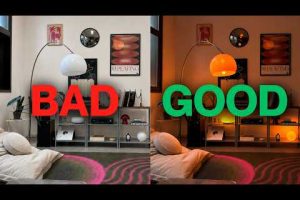



When it comes to designing a comfortable, functional, and aesthetically pleasing living space, home indoor lighting is one of the most overlooked yet transformative elements. The right lighting strategy does far more than illuminate a room — it sets the mood, enhances architectural features, improves productivity, and even influences your circadian rhythm. Whether you are renovating an entire house or simply looking to upgrade a single room, understanding the fundamentals of indoor lighting can make a dramatic difference. This guide walks you through everything from color temperature and lumen output to layered lighting design, energy-efficient technology, and smart lighting integration. If you have ever wondered how interior designers make spaces feel so intentional and inviting, the answer almost always starts with thoughtful lighting.
Understanding Home Indoor Lighting: The Complete Foundation
Before diving into specific fixtures or bulb types, it helps to understand the core concepts that govern indoor lighting design. At its simplest, every lighting setup in your home serves one or more of three primary functions: ambient lighting, task lighting, and accent lighting. Ambient lighting provides overall illumination for a room, typically through ceiling-mounted fixtures, chandeliers, or recessed lights. Task lighting focuses light where you need it most, such as under-cabinet kitchen lights, desk lamps, or vanity lights in a bathroom. Accent lighting highlights architectural details, artwork, or focal points, adding depth and visual interest to a space.
Types of Lighting Fixtures Commonly Used in Homes
The variety of fixtures available for home indoor lighting can feel overwhelming, but each type serves a specific purpose. Here are the most common categories you will encounter:
- Pendant Lights: Hanging fixtures ideal for kitchens, dining areas, and entryways. They deliver focused downward light and double as a decorative statement.
- Recessed Downlights: Installed flush into the ceiling, these provide clean, streamlined ambient light and work beautifully in low-profile rooms.
- Track Lighting: Adjustable fixtures mounted on a track, perfect for highlighting art or directing light across large open spaces.
- Wall Sconces: Mounted on walls to provide side lighting, sconces are excellent for hallways, bedrooms, and bathrooms where overhead fixtures create harsh shadows.
- Floor and Table Lamps: Portable and versatile, these are essential for task and accent lighting in living rooms and home offices.
- Under-Cabinet Lighting: LED strips or puck lights installed beneath kitchen cabinets eliminate shadow zones on countertops.
The Science Behind Color Temperature and Indoor Lighting
One of the most impactful decisions you will make when planning your home indoor lighting is choosing the right color temperature. Measured in Kelvins (K), color temperature determines whether a light source feels warm and cozy or cool and energizing. Most residential lighting falls between 2700K and 5000K, and each range creates a distinctly different atmosphere.
Warm white light (2700K–3000K) mimics the golden glow of incandescent bulbs and is ideal for bedrooms, living rooms, and dining areas where relaxation is the goal. Neutral white light (3500K–4000K) offers a balanced, natural feel and works well in kitchens, bathrooms, and home offices. Cool white light (5000K–6500K) resembles daylight and is best reserved for workshops, garages, or spaces where alertness and precision matter.

Many homeowners make the mistake of using a single color temperature throughout the entire house. Expert interior designers recommend varying your color temperature room by room based on the room’s function and the mood you want to create. For example, a warm 2700K in the bedroom promotes melatonin production and better sleep, while a neutral 4000K in the kitchen supports accurate food preparation and clear visibility.

Layered Lighting Design: How to Create Depth and Balance
The secret behind every beautifully lit home is a layered approach. Rather than relying on a single ceiling fixture to light an entire room, layered lighting combines multiple sources at different heights and angles to create dimension, flexibility, and visual comfort.
Here is how to build a layered lighting plan for any room:
- Start with ambient light: Choose a central overhead source — whether it is a flush-mount fixture, a chandelier, or recessed downlights — to establish baseline illumination.
- Add task light where needed: Identify areas where activities require focused brightness, such as kitchen prep surfaces, reading nooks, vanity mirrors, or desk workstations.
- Incorporate accent light for drama: Use picture lights, wall-wash fixtures, or directional track heads to draw attention to architectural details, plants, or artwork.
- Include dimming capabilities: Smart dimmers or dimmable fixtures let you adjust brightness throughout the day, adapting the space for different moods and activities.
This approach ensures no room feels flat or harshly lit, and it gives you the flexibility to transform the same space from a bright, productive workspace into a soft, intimate lounge with the flip of a switch.
LED vs Incandescent vs CFL: Choosing the Right Lighting Technology
The light bulb technology you choose directly impacts your energy bills, maintenance frequency, light quality, and environmental footprint. Here is a detailed comparison of the three major options for home indoor lighting:
| Feature | LED | CFL | Incandescent |
| Average Lifespan | 15,000–50,000 hours | 8,000–10,000 hours | 750–2,000 hours |
| Energy Efficiency | Excellent (uses ~75% less energy) | Good (uses ~70% less energy) | Poor (very high energy use) |
| Color Temperature Range | 2200K–6500K | 2700K–5000K | 2700K (warm only) |
| Dimmability | Most models dimmable | Limited dimmable options | Fully dimmable |
| Upfront Cost | Higher per bulb | Moderate | Lowest per bulb |
| Environmental Impact | Low (no mercury, long life) | Contains small amount of mercury | High energy waste as heat |
| Instant On | Yes | Slight delay | Yes |

The clear winner for most homeowners is LED lighting. While the upfront cost per bulb is higher, LEDs pay for themselves rapidly through lower electricity consumption and significantly longer lifespans. Modern LED bulbs also offer excellent color rendering index (CRI) ratings, meaning they render colors accurately and naturally — a critical factor for task lighting in kitchens, bathrooms, and studios.
Expert Tips to Upgrade Your Home Indoor Lighting Setup
Even if you are not hiring a professional lighting designer, you can dramatically improve your home’s illumination with a few expert-backed strategies:
- Calculate your lumen needs per room: A general rule is 20 lumens per square foot for ambient lighting and 50+ lumens per square foot for task areas. Use a simple room area calculation to determine how many lumens your fixture should produce.
- Place lighting at multiple heights: Combining ceiling lights, wall-mounted sconces, and floor lamps creates a three-dimensional lighting effect that feels far more natural than a single overhead source.
- Use warm dimming technology: Some advanced LED fixtures not only dim brightness but also shift color temperature warmer as you lower the light level, mimicking the behavior of a candle or incandescent bulb for a cozy evening atmosphere.
- Consider smart lighting controls: Smart bulbs and smart switches allow you to schedule lighting scenes, adjust color temperature via an app, and even integrate with voice assistants like Alexa or Google Home for hands-free control.
- Pay attention to beam angles: Wide beam angles (90 degrees and above) spread light broadly for ambient coverage, while narrow beam angles (15–30 degrees) concentrate light for spotlighting and accent purposes.
- Don’t forget natural light integration: The best indoor lighting design works in harmony with daylight. Position task lights to supplement natural light during the day and use sheer curtains to diffuse harsh direct sunlight.
Common Mistakes to Avoid When Planning Home Indoor Lighting
Even well-intentioned homeowners often fall into patterns that undermine their lighting quality. One of the most common errors is relying on a single overhead fixture to light an entire room, which creates uneven illumination and harsh shadows. Another mistake is ignoring the lighting needs of specific activities — for instance, installing a dim vanity mirror light in a bathroom makes grooming tasks unnecessarily difficult. Additionally, many people purchase bulbs based on wattage rather than lumens, not realizing that wattage measures energy consumption, not brightness. Always check the lumen output on the packaging when selecting bulbs for your home indoor lighting projects.
Finally, avoid mixing incompatible color temperatures in the same room. A space with both 2700K and 5000K bulbs can feel disorienting and visually jarring. Pick one dominant temperature per room and stick with it for a cohesive, polished look.
Frequently Asked Questions
What is the best color temperature for a living room? For most living rooms, a warm white range of 2700K to 3000K creates a welcoming and relaxing atmosphere perfect for socializing and unwinding in the evening.
How many lumens do I need for a home office? A home office typically requires around 3000 to 4000 lumens in total, combining overhead ambient light with a focused desk lamp delivering at least 500 lumens for screen-based work.
Can smart bulbs be used with any light fixture? Smart bulbs work in any fixture that accepts standard bulb bases (such as E26 or E27), but you will need a neutral wire in the switch box or keep the physical switch always on to maintain smart connectivity.
What is CRI and why does it matter for indoor lighting? Color Rendering Index (CRI) measures how accurately a light source reveals true colors compared to natural daylight. A CRI of 90 or above is considered excellent and is especially important in kitchens, bathrooms, and art studios where color accuracy matters.
How do I choose the right lighting for a small apartment? In small spaces, prioritize layered lighting with compact fixtures. Use recessed downlights for ambient coverage, plug-in wall sconces to save floor space, and a single statement pendant light to define zones in open-plan layouts.
Conclusion
Home indoor lighting is far more than a practical necessity — it is a design tool that shapes how you experience every room in your house. By understanding color temperature, embracing layered lighting techniques, choosing energy-efficient LED technology, and avoiding common pitfalls, you can transform even the most basic space into a well-lit, visually compelling environment. Start small by upgrading bulbs and adding a few strategically placed lamps, then gradually build toward a fully customized lighting plan that reflects your lifestyle, preferences, and the unique character of your home. The right lighting does not just illuminate a room — it brings it to life.