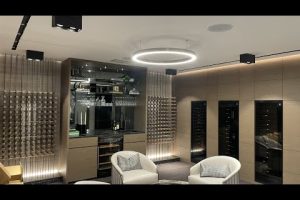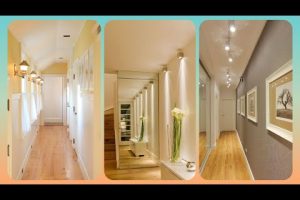



Lighting design is far more than simply placing fixtures in a room — it is the art and science of shaping how people experience spaces through illumination. From cozy residential interiors to towering commercial skyscrapers, the design of lighting directly influences mood, productivity, safety, and even circadian health. Whether you are an interior designer refining a hospitality project, an architect planning a new office complex, or a homeowner upgrading your living spaces, understanding lighting design principles will transform how you approach every room. This comprehensive guide explores the core principles, techniques, tools, and trends that define modern lighting design, offering practical insights for every skill level.
What Is Lighting Design and Why Does It Matter?
The design of lighting refers to the deliberate process of planning, selecting, and positioning light sources within a built environment to achieve specific functional and aesthetic goals. It integrates technical knowledge — such as lumens, lux levels, and beam angles — with creative vision to create spaces that feel purposeful and inviting. Good lighting design eliminates glare, reduces eye strain, highlights architectural features, and supports the activities happening in a room. Poor lighting, on the other hand, can make spaces feel sterile, uncomfortable, or even hazardous. Research consistently shows that well-designed lighting improves occupant well-being, enhances retail sales, boosts workplace efficiency, and strengthens the architectural identity of a building.

Core Principles of Lighting Design
Every successful lighting project follows foundational principles that guide decision-making from concept to completion.
Layered Lighting Approach
Professional lighting designers almost always work with three layers of light:
- Ambient (General) Lighting: The base layer that provides overall illumination to a space. Examples include recessed downlights, pendant fixtures, and cove lighting.
- Task Lighting: Focused light designed for specific activities such as reading, cooking, or working at a desk. Desk lamps, under-cabinet kitchen lights, and surgical lights fall into this category.
- Accent Lighting: Used to draw attention to architectural details, artwork, or focal points. Track lights, wall-washing fixtures, and spotlights are common accent tools.
Balancing these three layers creates depth, dimension, and visual interest that a single light source can never achieve alone.
Light Distribution and Control
Understanding how light spreads across a surface is critical. Designers evaluate beam angles, glare ratings (such as UGR — Unified Glare Rating), and uniformity ratios to ensure comfortable visual environments. Direct lighting focuses light downward for task areas, indirect lighting bounces light off ceilings for a soft glow, and semi-direct or semi-indirect combinations offer balanced solutions.
Energy Efficiency and Sustainability
Modern lighting design prioritizes energy performance. LED technology has revolutionized the field by offering dramatically lower power consumption, longer lifespans, and superior dimming capabilities compared to legacy fluorescent or incandescent sources. Designers now specify fixtures based on efficacy (lumens per watt), lifecycle cost, and compatibility with daylight harvesting and occupancy-based controls.
Types of Light Sources and Fixtures
Choosing the right light source is one of the most consequential decisions in lighting design. Each technology has distinct characteristics that suit different applications.
| Light Source | Efficacy (lm/W) | Lifespan (hours) | Best Applications |
| LED | 80–200+ | 25,000–50,000 | All commercial, residential, and architectural applications |
| Fluorescent | 50–100 | 10,000–20,000 | Offices, hospitals, industrial facilities |
| Halogen | 15–25 | 2,000–4,000 | Retail display, theatrical, accent lighting |
| Incandescent | 10–17 | 750–2,000 | Decorative, hospitality (declining use) |
Beyond the source itself, fixture selection matters enormously. The housing material, reflector type, lens diffusion, and mounting method all affect beam shape, color rendering, and thermal performance. Designers frequently specify fixtures with interchangeable optics so they can fine-tune light distribution after installation.
Color Temperature, CRI, and Their Role in Design
Two metrics that every lighting designer must understand are Correlated Color Temperature (CCT) and Color Rendering Index (CRI).
CCT measures the warmth or coolness of light, expressed in Kelvin (K). Warm white (2700K–3000K) creates intimate, relaxing atmospheres ideal for restaurants and bedrooms. Neutral white (3500K–4000K) suits offices and retail environments where clarity matters. Cool white (5000K–6500K) delivers clinical, alerting light commonly found in hospitals, laboratories, and industrial warehouses.
CRI measures how accurately a light source reveals the true colors of objects compared to natural sunlight. A CRI of 100 represents perfect color rendering. For spaces where color accuracy is critical — art galleries, surgical suites, makeup counters, and textile showrooms — designers specify fixtures with CRI values of 90 or above. Recent advances have introduced TM-30, a more comprehensive color fidelity metric that evaluates light across 99 color samples rather than the older R1–R15 scale.
Tunable White and Human-Centric Lighting
One of the most exciting developments in the design of lighting is human-centric lighting (HCL), also known as circadian lighting. These systems adjust CCT and intensity throughout the day to align with the body’s natural rhythms. In the morning, cooler, brighter light promotes alertness; in the evening, warmer, dimmer light supports melatonin production and better sleep. Hospitals, schools, and forward-thinking offices increasingly deploy tunable LED systems to improve occupant health and performance.
Lighting Design for Different Spaces
Each environment demands a tailored approach. What works in a retail store will fail in a hospital corridor.
Residential Lighting Design
In homes, lighting design focuses on comfort, functionality, and atmosphere. Kitchens need bright, shadow-free task lighting at countertops, while living rooms benefit from layered ambient and accent light that adapts for entertaining, reading, or relaxing. Bedroom lighting should support wind-down routines with dimmable warm sources. Designers recommend using dimmers universally and grouping lights into circuits controlled by smart switches or app-based systems.
Commercial and Office Lighting
Office lighting design must balance productivity with visual comfort. The Illuminating Engineering Society (IES) recommends 300–500 lux for general office work. Glare control is paramount — designers use fixtures with precise shielding, matte desk surfaces, and screen-positioning guidelines to minimize discomfort. Open-plan offices increasingly use indirect cove lighting combined with task luminaires to reduce harsh downlighting and create a more collaborative feel.
Retail and Hospitality Lighting
Retail environments use lighting as a merchandising tool. High-CRI accent lighting makes products pop, while warmer ambient light creates an inviting shopping experience. Hotels layer dimmable wall sconces, bedside pendants, and lobby chandeliers to establish a sense of luxury and arrival. Restaurants use low-level accent lighting over tables to foster intimacy while maintaining enough general light for safe navigation.
Tools and Technologies Shaping Modern Lighting Design
The design process itself has been transformed by powerful software and emerging hardware.
- DIALux and relux: Industry-standard free and professional lighting simulation software that allows designers to model rooms, place virtual fixtures, and generate lux maps, glare analyses, and energy reports before a single installation begins.
- BIM Integration: Building Information Modeling workflows now embed lighting data directly into architectural models, enabling real-time coordination between electrical, architectural, and interior design teams.
- IoT and Connected Lighting: Smart lighting platforms like Lutron, Philips Hue for Professionals, and Signify’s Interact allow centralized control, daylight-responsive dimming, occupancy-based scheduling, and granular energy monitoring across entire buildings.
- Li-Fi and OLED: Emerging technologies such as Light Fidelity (wireless data transmission through light) and Organic Light Emitting Diodes (ultra-thin, diffuse panels) are pushing the boundaries of what light fixtures can do beyond illumination.
Expert Tips for Better Lighting Design
Seasoned designers consistently share a few rules that separate amateur from professional results:
- Always start with daylight analysis. Understanding how natural light enters a space helps you determine where artificial light is truly needed, reducing energy waste and creating more balanced environments.
- Design for dimming from the start. Almost every space benefits from dimmable controls, yet many projects add dimmers as an afterthought. Plan circuits and select compatible drivers upfront.
- Consider maintenance and accessibility. Choose fixtures with accessible lamp compartments and specify long-life LED sources to reduce maintenance frequency and cost.
- Test mock-ups in situ. A lighting simulation is useful, but seeing actual light on real surfaces under real conditions reveals issues that software cannot predict — shadow patterns, reflected glare, and color interactions with materials.
- Think about vertical illumination. Most designs focus on horizontal work surfaces, but light on walls and ceilings dramatically affects perceived spaciousness, facial recognition, and emotional comfort.
Common Mistakes to Avoid in Lighting Design
Even experienced designers occasionally fall into traps that compromise a project’s lighting quality:
- Over-lighting spaces to compensate for poor fixture selection — more watts do not mean better light.
- Ignoring control systems, which can account for 20–40% of a lighting system’s total energy savings.
- Specifying fixtures based solely on aesthetics without verifying photometric data, glare ratings, or thermal compatibility.
- Neglecting maintenance factors such as lumen depreciation over time, which causes originally bright spaces to dim prematurely.
Conclusion

The design of lighting sits at the intersection of architecture, psychology, engineering, and art. When executed well, it remains invisible — occupants simply feel comfortable, focused, and at ease. When executed poorly, it becomes a constant source of discomfort and wasted energy. By mastering layered lighting approaches, understanding color science, leveraging simulation tools, and embracing human-centric and smart technologies, designers can create spaces that are not only visually stunning but also healthier, more efficient, and more responsive to human needs. The future of lighting design is intelligent, adaptive, and deeply connected to the well-being of the people who inhabit these spaces every day.

Frequently Asked Questions
1. What is the best color temperature for a home office?
For focused work, a neutral white range between 3500K and 4000K provides alertness without the harshness of cooler temperatures. Pair it with a task light at 400–500 lux on the desk surface and ensure your monitor is positioned to avoid screen glare from overhead fixtures.
2. How many lumens do I need for a living room?
A common guideline is 100–200 lumens per square foot for living rooms. For a 200-square-foot room, this translates to roughly 20,000–40,000 lumens total across all fixtures. Adjust downward for warmer, moodier atmospheres and upward for spaces used for reading or detailed tasks.
3. What is the difference between CRI and TM-30 in lighting evaluation?
CRI measures fidelity across 15 color samples (R1–R15), while TM-30 evaluates light against 99 color samples and also measures color preference. TM-30 provides a more complete picture of how a light source renders the full spectrum of colors, making it increasingly preferred for high-end commercial and architectural projects.
4. How does daylight harvesting save energy in lighting design?
Daylight harvesting uses photocells or light sensors to automatically dim or turn off electric lights when sufficient natural light is available. Combined with zoning and occupancy sensors, these strategies can reduce lighting energy consumption by 30–60% in commercial buildings.
5. Can LED lights cause eye strain over long periods?
High-quality LEDs with proper diffusers, appropriate CCT, and flicker-free drivers rarely cause eye strain. Issues typically arise from poor fixture placement creating glare, insufficient contrast, or overly cool color temperatures at high intensities. Designing with indirect sources and dimmable controls minimizes this risk significantly.