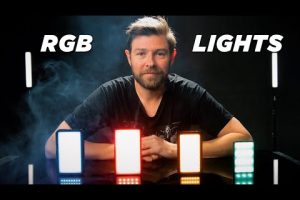



LED lights for photography have transformed the way photographers capture images, offering unmatched versatility, energy efficiency, and consistent output that traditional strobes and tungsten bulbs cannot match. Whether you are a beginner building your first lighting setup or a seasoned professional refining your studio workflow, understanding how to choose and use LED light panels for photography can dramatically elevate your results. This guide covers everything you need to know about continuous LED lighting for photography, from core technical specifications to practical setup recommendations.
Why LED Lights Are Essential for Modern Photography
The shift from flash-based lighting to continuous LED lighting for photography has been driven by advantages that address real-world challenges photographers face daily. Unlike flash units that produce brief bursts, LED light sources let you see exactly how light falls on your subject in real time. This “what you see is what you get” advantage makes LED photography lights especially popular among portrait photographers, videographers, and content creators who need precise control over shadows, highlights, and color balance. As LED technology has matured, lighting solutions have become more affordable, more powerful, and more feature-rich, making them the preferred choice for modern photographers across every genre.
Real-Time Visualization and Creative Control
The single biggest advantage of LED panel lights for photography is seeing lighting effects before you press the shutter. With traditional flash units, photographers rely on test shots and histograms to guess how light will look. LED lights eliminate that guesswork entirely. You can adjust angle, intensity, and diffusion while watching shadows shift on your subject in real time, making LED lights for photography especially valuable during client shoots where showing the subject exactly how they will look builds confidence and reduces retouching time.
Energy Efficiency and Longevity
Continuous LED lighting for photography consumes a fraction of the power traditional incandescent lights require. A typical LED panel draws between 30 and 100 watts depending on brightness settings while producing significantly less heat. You can shoot for hours without worrying about overheating subjects or equipment. LED light sources also last tens of thousands of hours, making them a cost-effective long-term investment compared to constantly replacing bulbs.
Flexibility Across Photography Genres
Whether you shoot product photography, portraits, food photography, or video content, LED lights for photography adapt to your needs. Many modern LED panels offer dimmable output, adjustable color temperature, and RGB modes for creative effects. This flexibility means a single LED light kit can serve multiple purposes, reducing the need for separate equipment for different types of shoots.
Key Features to Look for in LED Lights for Photography
Not all LED lighting for photo work is created equal. When evaluating LED panel lights or LED light kits, pay attention to these critical specifications to ensure you get the best results for your investment.
Color Rendering Index (CRI) and TLCI
The Color Rendering Index measures how accurately a light source reproduces colors compared to natural sunlight. For photography, look for LED lights with a CRI rating of 95 or above, and ideally 98 or higher for professional work. TLCI (Television Lighting Consistency Index) is another metric worth checking if you shoot video alongside stills. High CRI and TLCI scores mean skin tones look natural, product colors appear true, and you spend less time correcting color casts in post-processing.
Color Temperature Range and Bi-Color Options
Bi-color LED lights for photography allow you to adjust color temperature from around 2700K (warm amber) to 6500K (cool daylight). This flexibility is invaluable when matching existing ambient light or creating specific moods. A tunable white LED panel lets you shoot in warm, golden light for a cozy portrait or cool, clinical light for a product shot without swapping gel filters or changing light sources entirely.
Dimming Range and Flicker-Free Operation
Professional LED photography lights should offer smooth dimming from 0 to 100 percent, allowing you to fine-tune intensity precisely. Flicker-free operation is essential for video work and fast shutter speeds in still photography, where PWM flickering can create banding artifacts in your images.
Build Quality and Mounting Options
Look for LED panels with robust build quality, standard 1/4-inch and 3/8-inch mounting threads, and Bowens mount compatibility if you plan to use softboxes or other modifiers. Lightweight yet durable construction makes LED lights easier to transport and set up on location shoots.
Types of LED Lights for Photography
The market offers several distinct categories of LED photography lights, each suited to different shooting scenarios and creative preferences.
LED Panels
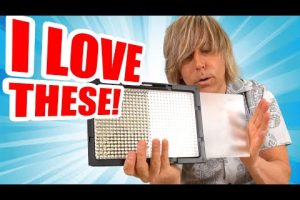
LED panels are the most versatile and widely used form of continuous LED lighting for photography. These flat, rectangular light sources come in sizes from compact 6-inch panels to large 2×3-foot fixtures. Key advantages include even, soft light output that is easy to modify with softboxes and diffusion, wide adjustable beam angles from 30 to 120 degrees, built-in dimming and color temperature controls, and lightweight portability for on-location work. LED panels are ideal for portrait photography, product shots, interviews, and any scenario requiring broad, controllable illumination.
LED Light Sticks and Tubes
LED light sticks, such as the Aputure Amaran PT series or Nanlite PavoTube, are cylindrical tubes that produce a linear beam of light. They excel at creating dramatic rim lighting or edge separation, adding colored accent lights for cinematic looks, under-camera glow effects for video content, and small-space setups where large panels will not fit. Many feature RGB or RGBWW color modes, giving you access to millions of colors beyond standard white light.
LED Ring Lights
Ring lights are circular LED panels that surround the camera lens, producing a distinctive circular catchlight in the subject’s eyes. They are a staple of portrait, beauty, and influencer photography. The even, wraparound light minimizes harsh shadows and flatters skin tones, making ring lights a popular choice for beauty and makeup content creators who need flattering, shadow-free illumination.
Comparing LED Light Types for Photography
| Type | Best For | Portability | Price Range |
| LED Panels | Portraits, products, interviews | High | Mid to High |
| LED Light Sticks/Tubes | Rim lighting, accent, creative | Very High | Low to Mid |
| LED Ring Lights | Beauty, portraits, vlogging | High | Low to Mid |
| LED Light Bars | Cinematic video, wide coverage | Medium | Mid to High |
| Softbox-Compatible LED Tubes | Studio portraits, fashion | Low | High |
Best LED Lighting Setups for Different Photography Styles
Choosing the right LED lighting configuration depends heavily on what you are shooting. Here are practical recommendations for popular photography styles:
- Portrait Photography: Use a large LED panel positioned at a 45-degree angle to the subject. Add a diffusion panel or softbox to soften the light and reduce harsh shadows. A second, smaller LED panel or a light stick can serve as a hair light or rim light for separation and depth.
- Product Photography: Two to three LED panels at varying intensities create a controlled lighting environment. Use one panel as the key light, another as fill, and a third for background or accent lighting. Neutral white color temperature around 5500K ensures accurate product colors without color correction headaches.
- Video Content Creation: A bi-color LED panel with dimming and RGB capabilities offers the most flexibility. Position the main light slightly above eye level angled down at 30 degrees. Add a smaller LED tube or stick behind the subject for depth and visual interest in your footage.
- Food Photography: Soft, diffused light from a large LED panel works best for food. Avoid hard directional light that creates unflattering shadows on textures. A second panel from the opposite side provides gentle fill to keep shadows from going too dark and losing detail.
Expert Tips for Getting the Most Out of Your LED Lighting
Even the best LED photography lights will underperform if you do not use them correctly. Here are expert-level tips that separate good results from great ones:
- Use diffusion generously. Bare LED panels produce harsh, directional light that creates unflattering shadows. A simple diffusion fabric or softbox attachment transforms even a small panel into a beautiful light source that wraps around your subject naturally.
- Control spill light. Barn doors and flags help you direct light exactly where you want it and prevent unwanted light from hitting backgrounds or reflective surfaces that cause distracting hot spots.
- Match ambient light color temperature. When shooting indoors under warm tungsten bulbs, set your LED panels to around 3200K to blend seamlessly. Mixing mismatched color temperatures creates difficult-to-correct color casts in your images.
- Layer your lighting. Professional results rarely come from a single light source. Build your setup with a key light, fill light, and backlight or accent light to create depth, dimension, and a polished, studio-quality look.
- Check for flicker at fast shutter speeds. When shooting above 1/200s, ensure your LED lights are truly flicker-free to avoid banding or exposure inconsistencies in your photographs.

LED Lights for Photography: Top Picks by Budget
Finding the best LED lights for photography does not require an unlimited budget. Here are recommended options across different price points:
| Budget (Under $100) | Mid-Range ($100-$300) | Professional ($300+) |
| Neewer 660 LED Panel | Aputure Amaran 200x | Aputure 300d III |
| Godox TL60 Light Stick | Nanlite PavoTube II 6C | Aputure STORM 2 |
| Ulanzi VL49 Ring Light | Godox SL150W II | Nanlite Forza 60C |

Each of these options delivers excellent value within its price range, and many photographers start with budget-friendly LED light kits and upgrade as their skills and needs evolve over time.
Common Mistakes to Avoid with LED Photography Lights
Even experienced photographers make mistakes when working with continuous LED lighting. Avoid these common pitfalls to get better results from your very first shoot:
- Skipping diffusion. Bare LEDs create hard shadows that look unnatural and unflattering. Always diffuse your light source, even if it means simply bouncing the panel off a white wall or ceiling.
- Ignoring ambient light balance. LED panels are powerful, but if you do not match or control the existing ambient light in your environment, the mix of light sources will look inconsistent and amateur.
- Over-relying on RGB color modes. While RGB LED lights are fun for creative shots, overuse of saturated colors can distract from the subject and reduce the professional quality of your images. Use color effects intentionally and sparingly.
- Underestimating power needs. LED panels vary dramatically in output. A small panel may look impressive on your desk but will struggle to overpower ambient light on a bright location shoot. Always check the lux output at a specific distance before purchasing.
FAQ: Frequently Asked Questions About LED Lights for Photography
Q: Are LED lights good for photography? Yes, LED lights are excellent for photography, particularly for photographers who value real-time lighting previews, energy efficiency, and consistent color output. Continuous LED lights allow you to see exactly how light interacts with your subject before taking the shot, making them ideal for portrait, product, and video work.
Q: What CRI rating should LED lights for photography have? For professional photography results, choose LED lights with a CRI rating of 95 or higher. A CRI of 98 or above is considered excellent and ensures that colors, especially skin tones and product colors, render accurately and naturally without extensive post-processing correction.
Q: Can I use LED lights for photography outdoors? Absolutely. Portable LED panels and light sticks are popular choices for outdoor photography and videography. They are especially useful for filling shadows on bright sunny days or adding a creative light source during golden hour and blue hour shoots. Look for battery-powered options for maximum mobility when shooting on location.
Q: How many LED lights do I need to start photography lighting? Most photographers start with one or two LED panels. A single large panel can serve as your key light, while a second smaller panel works as fill or a background accent. As you advance, you can add LED light sticks, ring lights, or additional panels for more complex and sophisticated lighting setups.
Q: What is the difference between bi-color and RGB LED lights for photography? Bi-color LED lights allow you to adjust the white color temperature between warm and cool tones, typically ranging from 2700K to 6500K. RGB LED lights add the ability to produce any color in the spectrum beyond white light. Bi-color panels are more practical for professional and realistic photography, while RGB panels are better suited for creative, video, and artistic work where color effects enhance the final image.
Conclusion
LED lights for photography have become an indispensable tool for photographers at every skill level. From the portability of LED light sticks to the soft, controllable output of large LED panels, continuous lighting offers a level of creative control and convenience that flash-based systems simply cannot replicate. By understanding the key features to look for, choosing the right type of LED light for your shooting style, and following expert setup tips, you can elevate your photography to a professional standard without breaking the bank. Invest in quality LED lighting, experiment with different configurations, and watch your images transform with richer color, better depth, and more compelling visual storytelling.