


If you are looking for a lighting solution that combines convenience, versatility, and modern design, battery operated ceiling lights are quickly becoming one of the smartest upgrades you can make to any home or workspace. Whether you are renovating a historic property where wiring is a nightmare, setting up a rental property, or simply want a fixture you can move around without calling an electrician, these self-contained lighting units offer an exceptional blend of form and function. Unlike traditional hardwired fixtures, battery powered ceiling lights eliminate the need for electrical outlets, junction boxes, or complex installation processes, making them accessible to virtually anyone with basic DIY skills. In this comprehensive guide, we will explore everything you need to know about wireless ceiling lighting options, from the different types available on the market to expert buying advice and practical installation tips that will help you get the most out of your investment.
What Are Battery Operated Ceiling Lights?

Battery operated ceiling lights are self-contained lighting fixtures that run on replaceable or rechargeable batteries rather than being hardwired into a home’s electrical system. These fixtures typically include an integrated LED light source, a battery compartment, and a mounting bracket that secures the unit directly to the ceiling surface. The technology behind these lights has evolved dramatically in recent years, with modern units offering impressive lumen outputs, extended battery life, and smart connectivity features that rival their hardwired counterparts. From compact single-battery LED panels to multi-light battery operated ceiling light kits designed for larger rooms, the market now offers solutions for nearly every application imaginable. The rise of lithium-ion and lithium iron phosphate battery technology has been a game-changer, providing longer run times, faster charging cycles, and improved safety compared to older alkaline-based designs.

Types of Battery Operated Ceiling Lights
Understanding the different categories of wireless ceiling lighting is essential before making a purchase decision. Each type serves a unique purpose and suits different environments, room sizes, and aesthetic preferences.
LED Panel Lights
Battery powered LED panel lights are flat, rectangular fixtures that mount flush against the ceiling and distribute light evenly across a wide area. These are ideal for kitchens, bathrooms, hallways, and office spaces where uniform illumination is a priority. Most LED panel models use rechargeable lithium battery packs and can run for 8 to 48 hours depending on brightness settings and panel size. Many panels feature dimmable controls and multiple color temperature options, allowing users to switch between warm white and cool daylight modes.
Recessed LED Downlights
Recessed battery operated downlights sit inside a ceiling cutout and project light downward in a focused beam. These fixtures are popular in modern and minimalist interior designs because they create a clean, streamlined ceiling appearance without any visible housing. Battery powered recessed LED downlights are frequently used in closets, pantries, small bathrooms, and areas where installing wired fixtures is impractical or cost-prohibitive.
Flush Mount Ceiling Fixtures
Flush mount battery ceiling lights sit directly against the ceiling surface and project light outward or upward through a diffuser. These are the most versatile option and work well in rooms with low ceilings where a pendant or semi-flush fixture would create a cramped feel. Flush mount designs come in a wide range of styles, from sleek contemporary discs to rustic lantern-inspired shapes, ensuring there is a match for virtually any interior decor.
Key Benefits of Battery Operated Ceiling Lights
The advantages of choosing a wireless ceiling lighting solution extend far beyond simply avoiding electrical wiring. Here are the most compelling reasons homeowners and renters are making the switch:
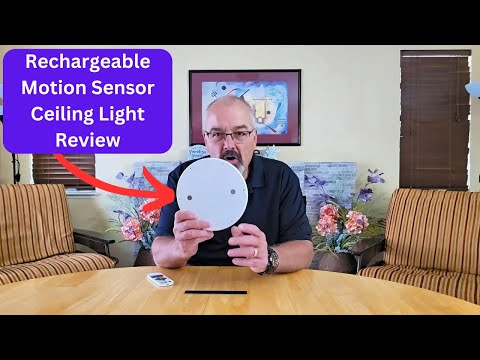
- No Wiring Required: This is the single biggest advantage. You can install a battery operated ceiling light in minutes without hiring an electrician, pulling permits, or modifying your home’s electrical infrastructure.
- Portability and Flexibility: Because these fixtures are not tethered to a wall outlet or junction box, you can move them from room to room or even take them with you when you relocate.
- Emergency Lighting: During power outages, a charged battery operated ceiling light can provide critical illumination for hours, making it an excellent addition to any emergency preparedness plan.
- Energy Efficiency: Modern LED technology combined with efficient lithium batteries means these fixtures consume very little energy while delivering bright, reliable light.
- Design Versatility: Manufacturers now produce battery powered ceiling lights in virtually every style, size, and finish, from industrial matte black to polished nickel and minimalist white.
- Lower Installation Costs: Eliminating the need for an electrician and wiring work can save hundreds of dollars compared to installing traditional hardwired fixtures.
How to Choose the Right Battery Powered Ceiling Light
Selecting the ideal fixture for your space requires considering several factors that directly impact performance, aesthetics, and longevity. Here is what every buyer should evaluate before purchasing.
- Lumens and Brightness: Measure the room size and aim for at least 300 to 500 lumens per square meter. For a bathroom or small bedroom, a 400-lumen fixture is usually sufficient, while a kitchen or open living area may require 800 lumens or more.
- Battery Type and Runtime: Rechargeable lithium batteries offer the best long-term value and sustainability. Look for fixtures that provide at least 6 to 12 hours of runtime on a single charge at medium brightness.
- Color Temperature: Choose warm white (2700K-3000K) for relaxing spaces like bedrooms and living rooms, and cool daylight (4000K-5000K) for task-oriented areas like kitchens, bathrooms, and home offices.
- Dimming Capability: Dimmable battery operated ceiling lights allow you to adjust brightness to suit different moods and times of day, extending battery life at lower settings.
- Ceiling Height and Clearance: Ensure the fixture depth will not interfere with ceiling fans, ventilation ducts, or any overhead storage. Flush mount designs are safest for low ceilings.
- IP Rating for Moisture: If installing in a bathroom, laundry room, or outdoor covered area, select a fixture with an appropriate ingress protection rating (IP44 or higher) to resist moisture damage.
Comparison: Top Battery Operated Ceiling Light Categories
| Category | Best For | Avg. Runtime | Brightness Range | Installation Difficulty |
| LED Panel Lights | Kitchens, Bathrooms, Hallways | 12-48 hours | 400-1200 lumens | Easy – 10 minutes |
| Recessed LED Downlights | Closets, Pantries, Minimalist Spaces | 8-24 hours | 300-800 lumens | Moderate – 20 minutes |
| Flush Mount Fixtures | Bedrooms, Living Rooms, Low Ceilings | 10-36 hours | 500-1500 lumens | Easy – 15 minutes |
| Multi-Light Kits | Large Rooms, Open Floor Plans | 6-18 hours | 1000-3000 lumens | Moderate – 30 minutes |
Installation Tips and Expert Recommendations
One of the greatest appeals of battery operated ceiling lights is that installation is straightforward, but following best practices ensures safety, optimal performance, and a clean finish. Start by selecting a mounting location that is centered in the room or positioned strategically to eliminate shadows in key areas such as above a vanity mirror or kitchen countertop. Clean the ceiling surface thoroughly before applying any adhesive mounting strips or screws. Most flush mount and panel fixtures come with either adhesive backing or screw mounting options; for drywall ceilings, use the provided anchors and screws for the most secure hold. If using adhesive, ensure the surface is dry and dust-free for maximum bond strength. When installing recessed downlights, use the included template to cut the ceiling opening precisely, and confirm there are no joists, wiring, or plumbing in the cutout area before proceeding. Finally, charge the battery fully before first use, as most manufacturers recommend an initial 2 to 4 hour charge cycle to calibrate the battery cells and maximize overall lifespan. For rechargeable models, establish a routine charging schedule to prevent complete battery depletion, which can shorten the battery’s long-term health.
Frequently Asked Questions
How long do battery operated ceiling lights last on a single charge?
Battery life varies significantly based on the fixture type, brightness setting, and battery capacity. Most modern rechargeable LED ceiling lights last between 8 and 48 hours on a single charge. LED panel lights with larger battery packs tend to run the longest, while multi-light kits drawing more power may need recharging sooner. Using dimmer settings and lower color temperatures (warm white) also extends runtime considerably compared to maximum brightness at cool daylight.
Can I install a battery operated ceiling light in a bathroom?
Yes, but you must choose a fixture rated for damp or wet locations. Look for battery powered ceiling lights with an IP44 rating or higher, which ensures protection against moisture and splashing. Avoid installing standard-rated fixtures in shower zones or areas with direct water exposure. Many manufacturers now produce specifically designed bathroom-safe wireless ceiling lighting options that combine moisture resistance with attractive designs.
Are battery operated ceiling lights bright enough for everyday use?
Absolutely. Modern LED battery ceiling lights can produce brightness levels comparable to hardwired fixtures, with some models reaching 1500 lumens or more. For reference, a 60-watt incandescent equivalent produces roughly 800 lumens, so a quality battery powered LED fixture is more than sufficient for most residential applications. Choose higher-lumen models for kitchens, workspaces, and larger rooms where task lighting is essential.
What type of battery do battery operated ceiling lights use?
The most common configurations include integrated rechargeable lithium-ion or lithium iron phosphate (LiFePO4) battery packs, which can be charged via USB-C or AC adapter. Some budget models use replaceable AA or D-cell alkaline batteries, though these require more frequent replacement and offer less environmental sustainability. Rechargeable built-in batteries are the preferred choice for most users due to their longer lifespan, lower operating costs, and convenience.
In summary, battery operated ceiling lights represent one of the most practical and innovative lighting solutions available to homeowners and renters alike. They remove the barriers of installation complexity, wiring costs, and fixture permanence while still delivering the brightness, efficiency, and design quality that modern living demands. Whether you need a simple flush mount light for a hallway, a recessed downlight for a pantry, or a multi-light kit for an open-concept living space, there is a wireless ceiling lighting option engineered to meet your specific needs. The key is to evaluate your space requirements carefully, prioritize quality components like rechargeable lithium batteries and high-CRI LED chips, and follow proper installation practices for the best results. With the right choice, a battery operated ceiling light can transform any room with reliable, beautiful illumination for years to come.