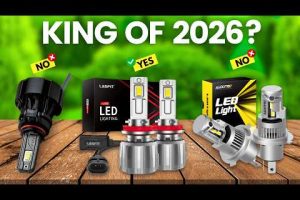
When it comes to upgrading your vehicle’s lighting system, choosing the brightest headlight bulbs LED can make a dramatic difference in both visibility and safety on the road. Whether you are dealing with dim factory halogens or looking to replace aging HID assemblies, the LED headlight bulb market has exploded with options promising superior brightness, longer lifespan, and modern aesthetics. But with hundreds of brands, thousands of lumens claims, and confusing specifications flooding the internet, finding the right option can feel overwhelming. This comprehensive guide breaks down everything you need to know about the brightest LED headlight bulbs available in 2024 and beyond, including real-world performance data, installation tips, and expert recommendations that go far beyond marketing fluff.
Why LED Headlight Bulbs Are Dominating the Upgrade Market
The shift from traditional halogen and HID headlights to LED technology is not just a trend — it is a fundamental improvement in automotive lighting. LED headlight bulbs consume significantly less power, produce less heat at the base, and offer instant full brightness without the warm-up delay associated with HID bulbs. When searching for the brightest LED headlight bulb, consumers should understand that raw lumen output is only one factor. Beam pattern, color temperature, chip design, and thermal management all contribute to how effectively a bulb illuminates the road ahead.
Modern LED headlight conversion kits use COB (Chip on Board) technology or multi-chip configurations that concentrate light output into a tight, focused pattern. This is critical because a bulb that claims 10,000 lumens but scatters light everywhere will actually provide worse visibility than a well-engineered 6,000-lumen bulb with a superior beam shape.
Key Specifications to Understand Before Buying
Before diving into specific product recommendations, familiarize yourself with these essential metrics that define LED headlight bulb performance:
- Lumens: The total light output. Higher is generally better, but beam pattern matters more than raw numbers.
- Color Temperature (Kelvin): Measured in K, ranging from warm yellow (3000K) to cool white (6000K) to blue-tinted (8000K+). 5500K–6000K typically offers the best balance of brightness and visual comfort.
- Wattage Draw: Higher wattage usually means more light, but it also demands a robust driver and creates more heat.
- CANBUS Compatibility: Essential for vehicles that use a CANBUS system, which can throw error codes with non-standard bulbs.
- Thermal Design: Active cooling fans, copper heat pipes, and aluminum heatsinks determine bulb longevity and sustained brightness.
- Beam Pattern Classification: Spot, flood, or hybrid — each serves different driving conditions and preferences.
Top Brightest LED Headlight Bulbs Compared
The following comparison table features some of the most competitive LED headlight bulbs currently on the market, evaluated based on lumen output, thermal performance, beam pattern quality, and real-world driver feedback.
| Brand & Model | Lumens (Per Bulb) | Wattage | Color Temp | Cooling System | CANBUS Ready |
| XHP90.3 GT Series | 12,000+ | 60W | 6000K | Dual fans + copper heatsink | Yes |
| Cree XML T6 Upgrade | 8,000 | 45W | 6500K | Aluminum fin heatsink | Yes |
| Lumileds L-Series | 6,000 | 40W | 5500K | Passive aluminum | Yes |
| Auxito 9005/9006 Pro | 14,000 | 65W | 6000K | Turbo fan + copper core | Yes |
| BEAMTECH H11/HB3 | 10,000 | 55W | 6000K | Dual fan + aluminum | Yes |
It is important to note that lumen numbers provided by manufacturers are often measured at the diode level, not accounting for optical losses in the bulb housing. Real-world output is typically 10–20% lower than advertised figures. That said, the bulbs listed above consistently rank among the top performers in independent testing and user reviews.
How to Choose the Right Brightness for Your Vehicle
Consider Your Headlight Housing
The single most overlooked factor in LED headlight upgrades is the housing design. Reflector-style housings work well with most LED bulbs because they can direct the light pattern effectively. Projector housings, on the other hand, are designed for a specific light source shape — typically a halogen capsule — and may produce excessive glare when paired with an LED bulb that does not match the original filament position. This can blind oncoming traffic and create dangerous driving conditions.
Driving Environment Matters
If you frequently drive on dark rural roads with no street lighting, a bright LED headlight bulb with a spot beam pattern and 6000K color temperature will give you the longest throw distance. Urban drivers who need peripheral visibility in well-lit cities may prefer a flood pattern with a slightly lower color temperature around 5000K for better contrast in wet or foggy conditions.
Legal and Safety Considerations
Not all ultra-bright LED headlight bulbs are road-legal. In many jurisdictions, headlight bulbs must meet DOT (Department of Transportation) or ECE (Economic Commission for Europe) standards for intensity, beam cutoff, and color temperature. Bulbs that produce excessive glare or fall outside the legal color temperature range can result in inspection failures or, worse, create hazards for other drivers. Always verify local regulations before installing aftermarket LED headlights.

Installation Tips and Common Mistakes
Installing an LED headlight bulb is significantly easier than retrofitting an HID system, but there are still pitfalls that can compromise performance and safety.
- Always disconnect the battery before starting any electrical work on your vehicle. This prevents short circuits and protects your vehicle’s ECU.
- Handle bulbs with gloves or a clean cloth. Oils from your skin can create hot spots on the LED chip, dramatically reducing lifespan and brightness.
- Check the orientation of the bulb. LED chips must face the correct direction within the housing to produce the intended beam pattern. Installing backwards will result in poor visibility.
- Use anti-flicker resistors or decoders if your vehicle reports errors after installation. Most modern CANBUS-ready bulbs include these, but some vehicles are more sensitive than others.
- Re-aim your headlights after installation. Even a minor change in bulb position can alter the beam cutoff line. Proper aiming ensures you maximize road visibility without blinding other drivers.
- Do not mix bulb types across the axle. Using an LED bulb on one side and a halogen on the other creates uneven lighting that can confuse both you and oncoming drivers.

Expert Tips for Maximizing LED Headlight Performance
Once you have installed your brightest LED headlight bulbs, there are additional steps you can take to ensure you are getting the maximum benefit from your upgrade:
- Clean your headlight lenses regularly. Oxidized and yellowed lenses can reduce light output by up to 50%, negating the advantage of a high-lumen LED bulb. Use a headlight restoration kit or replace the lens cover if damage is severe.
- Upgrade your vehicle’s wiring if necessary. Older vehicles with thin-gauge wiring and corroded connectors may not deliver full power to the LED bulb, resulting in reduced brightness and premature driver failure.
- Consider a complete LED headlight assembly. If your current housing is poorly designed for any bulb type, replacing the entire unit with an OEM-quality or aftermarket LED headlight assembly will yield dramatically better results than any bulb swap alone.
- Periodically check thermal performance. If the fan on your LED bulb is louder than usual or the bulb dims after extended use, it may be a sign that the thermal paste has degraded or dust has clogged the heatsink fins.
LED vs Halogen vs HID: Which Is the Brightest and Best?
Understanding how LED compares to other headlight technologies helps contextualize why so many drivers are making the switch to LED:
| Feature | Halogen | HID/Xenon | LED |
| Typical Lumens | 700–1,200 | 2,500–4,000 | 6,000–14,000 |
| Lifespan (Hours) | 450–1,000 | 2,000–3,000 | 30,000–50,000 |
| Warm-Up Time | Instant | 3–5 seconds | Instant |
| Power Consumption | 55–65W | 35–55W | 30–65W |
| Color Temp Range | 3000K–3500K | 4000K–6000K | 3000K–8000K |
| Installation Difficulty | Very Easy | Moderate | Easy to Moderate |
| Cost per Bulb | $10–$25 | $50–$150 | $30–$150+ |
LED bulbs offer the best combination of brightness, longevity, and energy efficiency for most drivers. While HID bulbs can produce intense output, they suffer from slow warm-up times and higher failure rates. Halogens remain a budget-friendly baseline but cannot compete with modern LED technology in any meaningful performance metric.
Final Thoughts and Recommendations
Selecting the brightest headlight bulbs LED for your vehicle requires balancing lumen output, beam pattern quality, color temperature preference, and your specific vehicle’s housing design. The best LED headlight bulb is not simply the one with the highest advertised lumen number — it is the one that projects clean, focused light exactly where you need it without creating dangerous glare for others. Brands like Auxito, BEAMTECH, and those utilizing XHP90.3 or Lumileds L-Series LEDs consistently deliver excellent results across a wide range of vehicles and price points. Invest in quality thermal management, verify CANBUS compatibility, and always prioritize proper installation and headlight aiming for the safest and most effective upgrade.
Frequently Asked Questions (FAQs)
What is the brightest LED headlight bulb currently available?
The Auxito 9005/9006 Pro and XHP90.3 GT Series models consistently rank as the brightest LED headlight bulbs, delivering over 12,000 lumens per pair. However, real-world performance depends heavily on your vehicle’s headlight housing and proper installation.
Is 6000K the best color temperature for LED headlight bulbs?
6000K is widely considered the sweet spot for LED headlight bulbs because it produces a clean white light that closely mimics natural daylight, offering excellent road visibility without the blue tint that reduces contrast in fog or rain.
Can I install LED headlight bulbs myself, or do I need a professional?
Most LED headlight bulb installations are plug-and-play and can be completed at home with basic tools in under 30 minutes. However, vehicles that require resistor installation or headlight re-aiming may benefit from professional assistance to ensure legal compliance and optimal performance.
Will the brightest LED headlight bulb cause glare for oncoming drivers?
Not if you choose a bulb with a proper beam pattern and install it in a compatible housing. LED bulbs with a hybrid spot-flood design and correctly positioned chips minimize upward light spill, reducing glare while maximizing forward visibility. Always re-aim your headlights after any bulb upgrade.
How long do the brightest LED headlight bulbs last?
High-quality LED headlight bulbs typically last between 30,000 and 50,000 hours, which translates to roughly 10–15 years of average daily driving. Factors like sustained high temperatures, poor thermal management, and voltage fluctuations can reduce this lifespan.