


If you have ever wondered why your solar-powered lights dim early, fail to illuminate after dark, or stop working altogether, the answer almost always comes down to one small but critical component — the battery. Choosing the right batteries for solar lights is the single most impactful decision you can make to ensure consistent performance, longer lifespans, and reliable outdoor lighting year-round. Whether you are replacing batteries in existing solar garden lights, upgrading a solar-powered pathway system, or designing a new solar lighting setup for your property, understanding battery chemistry, capacity, voltage, and compatibility will save you time, money, and frustration.
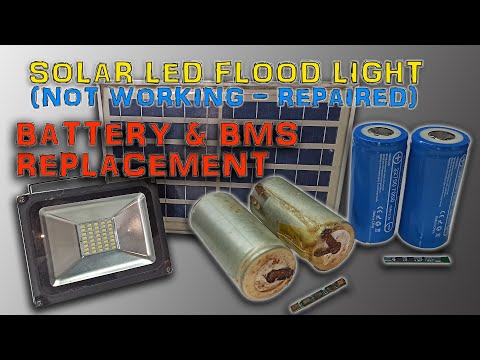
This comprehensive guide dives deep into everything you need to know about rechargeable batteries for solar lights — from the different types available, to practical buying tips, expert maintenance advice, and frequently asked questions that even seasoned homeowners overlook. Let us get into it.

Why the Right Battery Makes All the Difference in Solar Lights
Solar lights rely entirely on stored energy to function once the sun goes down. During daylight hours, a small photovoltaic panel charges the internal battery, and that battery then powers the LED fixture throughout the night. The quality, capacity, and chemistry of that battery directly determine how long your lights stay on, how bright they shine, and how many years they will last before needing replacement.
Many people assume all rechargeable batteries are interchangeable, but this is a costly misconception. Using an incompatible or low-quality battery can lead to poor charge retention, shortened lifespan, overheating, and even permanent damage to your solar light’s internal circuitry. The right battery ensures that every photon captured by your solar panel is stored efficiently and released reliably when needed.
Types of Rechargeable Batteries Used in Solar Lights
Not all batteries are created equal, and understanding the primary chemistries available in the solar lighting market will help you make an informed decision.
Nickel-Metal Hydride (NiMH)
NiMH batteries are the most common choice for modern solar lights, and for good reason. They offer higher energy density compared to older nickel-cadmium options, meaning they store more power in a smaller package. NiMH batteries are also environmentally friendlier since they do not contain toxic heavy metals like cadmium.
Nickel-Cadmium (NiCd)
NiCd batteries were once the standard in solar lighting due to their affordability and durability in extreme temperatures. However, they suffer from the memory effect — a phenomenon where the battery “forgets” its full capacity if repeatedly recharged before being fully depleted. They also contain cadmium, which is environmentally hazardous, making them increasingly obsolete.
Lithium-Ion (Li-ion) and Lithium Iron Phosphate (LiFePO4)
Lithium-based batteries represent the cutting edge of solar light energy storage. Li-ion batteries offer excellent energy density, lightweight construction, and minimal self-discharge. LiFePO4, a variant of lithium technology, provides even greater safety, longer cycle life, and superior performance in both hot and cold climates. These are increasingly found in premium and commercial-grade solar lighting systems.
How to Choose the Best Battery for Your Solar Lights
Selecting the correct battery requires attention to several technical specifications. Here is what you should evaluate before making a purchase.
- Voltage Compatibility: Most residential solar lights use 1.2V NiMH batteries (AA or AAA size), while lithium systems may use 3.2V or 3.7V cells. Always match the battery voltage to the solar light’s design specifications.
- Capacity (mAh): Higher milliamp-hour ratings mean longer runtime. For solar pathway lights, 600–1000 mAh is standard. For larger solar floodlights or landscape fixtures, 2000–3000 mAh or higher may be needed.
- Battery Size and Form Factor: Common sizes include AA, AAA, C, D, and pack-shaped configurations. Ensure the physical dimensions fit the battery compartment of your solar light.
- Cycle Life: This refers to how many full charge-discharge cycles the battery can endure before degrading. NiMH batteries typically last 500–1000 cycles, while LiFePO4 can exceed 2000 cycles.
- Temperature Rating: If you live in an area with extreme heat or freezing winters, choose batteries rated for wide temperature ranges. Lithium chemistries generally outperform NiMH in extreme conditions.
Comparison: Top Battery Types for Solar Lights
| Feature | NiMH | NiCd | Li-ion | LiFePO4 |
| Voltage per Cell | 1.2V | 1.2V | 3.7V | 3.2V |
| Typical Capacity (mAh) | 600–3000 | 300–1000 | 1000–3500 | 1000–5000 |
| Cycle Life | 500–1000 | 300–500 | 300–500 | 2000+ |
| Memory Effect | Low | High | None | None |
| Temperature Tolerance | Moderate | Good | Moderate | Excellent |
| Environmental Impact | Low | High (cadmium) | Moderate | Low |
| Cost per Unit | Low–Moderate | Low | Moderate–High | Moderate–High |
| Self-Discharge Rate | Moderate | Moderate–High | Low | Very Low |
As you can see from the comparison table, lithium-based options offer superior longevity and performance, though NiMH remains the most practical and widely available choice for standard residential solar lights.
Practical Installation and Maintenance Tips
Even the best battery for solar lights will underperform without proper installation and maintenance. Follow these expert recommendations to maximize battery life and solar light performance.
- Always charge batteries fully before first use: New batteries benefit from 2–3 full charge-discharge cycles to reach their rated capacity.
- Replace all batteries at once: Mixing old and new batteries in the same solar light creates imbalance and reduces overall performance.
- Clean battery contacts regularly: Corrosion on terminals prevents proper charging. Use a cotton swab with rubbing alcohol to clean contact points.
- Remove batteries during extended storage: If you store solar lights for weeks or months, remove the batteries to prevent deep discharge and potential leakage.
- Position solar panels for maximum sun exposure: No battery can compensate for insufficient charging. Ensure panels face south (in the Northern Hemisphere) and remain unobstructed by trees or structures.
- Replace batteries every 1–2 years: Even high-quality rechargeable batteries degrade over time. Proactive replacement keeps your solar lights performing at their peak.
Common Mistakes That Shorten Solar Light Battery Life
Avoiding these frequent errors will protect your investment and keep your outdoor solar lighting system running efficiently for years.
- Using non-rechargeable alkaline batteries: Alkaline batteries are designed for single use and cannot be recharged by solar panels. They will leak and damage your solar light fixture.
- Ignoring weather protection: Moisture ingress into battery compartments accelerates corrosion and short-circuiting. Use weatherproof seals or silicone tape on exposed battery holders.
- Overcharging in summer heat: Batteries exposed to extreme heat while charging can degrade faster. If possible, use solar lights with built-in charge controllers that regulate the input.
- Choosing capacity based solely on price: The cheapest batteries often have the lowest real-world capacity and shortest lifespan. Investing in quality rechargeable cells pays off significantly over time.
Can You Upgrade Your Solar Lights With Better Batteries?
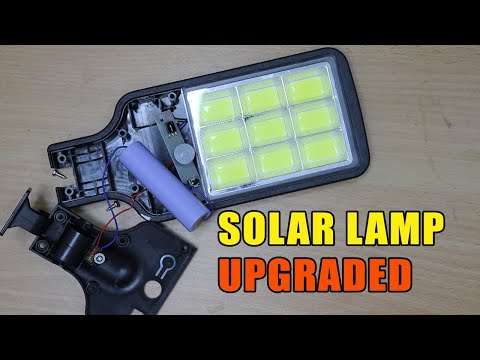
Yes, in many cases you can significantly improve solar light performance by upgrading the internal battery. Many solar garden lights and pathway lights are designed with replaceable battery compartments that accept standard rechargeable cells. If your current lights use low-capacity NiCd batteries, upgrading to high-quality NiMH or even lithium cells can dramatically increase nighttime runtime and brightness. Just ensure that the replacement battery matches the original voltage and physical size specifications. For solar lights with sealed, non-replaceable battery packs, upgrading is not practical, and full fixture replacement may be necessary.
Frequently Asked Questions (FAQs)
What is the best battery for solar garden lights?
For most solar garden lights, pre-charged AA or AAA NiMH batteries with a capacity of 800–1200 mAh offer the best balance of performance, availability, and cost. For higher-end or commercial solar lights, lithium iron phosphate (LiFePO4) batteries provide superior longevity and weather resistance.
How long do batteries for solar lights last before needing replacement?
NiMH rechargeable batteries typically last 1 to 2 years before their capacity degrades noticeably. Lithium-ion batteries can last 3 to 5 years depending on usage cycles and environmental conditions. Extreme temperatures and frequent deep discharging accelerate wear.
Can I use any rechargeable battery in my solar lights?
No. You must match the battery’s voltage, size (AA, AAA, etc.), and chemistry to your solar light’s specifications. Using the wrong voltage or size can damage the solar light’s controller or LED driver. Always check the manufacturer’s recommended battery type before purchasing replacements.
Why do my solar lights stop working even when the batteries are new?
Often the issue is not the battery but the solar panel or charge controller. Dirty panels, shaded positioning, or a faulty internal circuit can prevent proper charging. Test the solar panel output with a multimeter and inspect all connections before replacing batteries.
Are lithium batteries worth the extra cost for solar lights?
Absolutely. Lithium batteries, especially LiFePO4 variants, offer longer cycle life, better charge efficiency, lighter weight, and superior performance in both extreme heat and cold. For solar lights in harsh climates or commercial installations, the upfront cost is offset by dramatically longer replacement intervals.
Final Thoughts
The batteries inside your solar lights are far more than simple power cells — they are the heartbeat of your entire outdoor lighting system. By understanding the different battery chemistries, matching specifications correctly, maintaining your solar fixtures properly, and avoiding common mistakes, you can enjoy reliable, bright, and consistent illumination night after night. Whether you are a homeowner refreshing a few garden path lights or a facilities manager overseeing a large-scale solar installation, investing time in selecting the right batteries pays dividends in performance, durability, and long-term cost savings. Choose wisely, maintain regularly, and your solar lights will serve you well for years to come.