


Finding the best solar path lights for your driveway, garden walkway, or backyard trail doesn’t have to be a frustrating guessing game. Whether you are a homeowner looking to boost curb appeal, improve nighttime safety, or simply add a warm glow to your outdoor space, solar-powered path lighting has evolved dramatically in recent years. Today’s top models deliver impressive brightness, durable construction, and smart solar charging technology that makes them far more reliable than the flimsy options of the past. In this comprehensive guide, we break down what separates the best solar path lights from the rest, highlight our top picks across different budgets and use cases, and share expert tips to help you get the most out of your outdoor solar lighting setup.

Why Solar Path Lights Are a Smart Investment for Any Home
Solar landscape path lights offer a compelling combination of energy efficiency, easy installation, and enhanced safety. Unlike traditional low-voltage lighting that requires digging trenches and wiring, solar-powered stake lights simply push into the ground and absorb sunlight during the day. At dusk, built-in photoreceptors automatically trigger the LED illumination, guiding visitors along walkways and highlighting garden edges without adding a single penny to your electricity bill.
Beyond the practical benefits, solar path lights also elevate the aesthetic appeal of your property. Modern designs range from sleek, minimalist lanterns to rustic iron-stake fixtures, giving you the flexibility to match your landscape style. For homeowners investing in outdoor living spaces, solar pathway illumination is one of the highest-return, lowest-effort upgrades you can make.
What Makes a Solar Path Light Stand Out from the Rest
Key Features to Evaluate Before Buying
Not all solar powered path lights are created equal. When comparing options, pay close attention to the following performance indicators that directly impact real-world usability.
- Solar Panel Quality: Monocrystalline panels charge faster and perform better in low-light or cloudy conditions than polycrystalline alternatives. A larger solar panel surface area also means a fuller charge on shorter winter days.
- Battery Capacity: Look for lithium-ion or LiFePO4 batteries over cheap NiMH cells. Higher mAh ratings translate to longer runtime and better performance through multiple cloudy nights.
- Lumens Output: Brightness matters. Quality solar path lights deliver between 50 and 200 lumens per fixture. Anything below 30 lumens may be too dim for safe navigation.
- IP Rating for Weather Resistance: For outdoor durability, an IP65 or IP67 waterproof rating ensures the fixture withstands rain, snow, and humidity without internal corrosion.
- Adjustable Settings: The best models offer adjustable brightness modes, motion sensors, or dusk-to-dawn automation, giving you control over energy consumption and light output.
Top-Rated Solar Path Lights of 2024 Compared

To help you narrow down the choices, here is a detailed comparison of some of the highest-rated solar garden path lights currently available on the market.
| Product | Lumens | Battery Type | Waterproof Rating | Best For |
| URPOWER Solar Path Lights | 120 lm | 1200 mAh NiMH | IP44 | Budget-friendly garden walkways |
| Baxia Technology Solar Lights | 200 lm | 2000 mAh Li-ion | IP65 | High-brightness driveway lighting |
| AWKLY Solar Garden Lights | 80 lm | 600 mAh NiMH | IP65 | Decorative garden borders |
| Litom Solar Path Lights | 150 lm | 2000 mAh Li-ion | IP67 | Harsh weather environments |
| Energizer Solar Path Lights | 100 lm | 1000 mAh NiMH | IP44 | Easy install starter kits |
| AMARLLY Solar Stake Lights | 250 lm | 3000 mAh LiFePO4 | IP67 | Premium all-weather performance |
The comparison table above highlights the trade-offs you will encounter when shopping for the best solar path lights. Premium brands like AMARLLY and Litom justify their higher price points with superior lithium battery chemistry, stronger IP ratings, and more consistent luminous output across multiple nights. Budget options from URPOWER and Energizer work well for temporary or decorative installations where maximum brightness is not the primary goal.
Best Solar Path Lights by Category
Best Budget Option: URPOWER Solar Path Lights
If you need an affordable way to light up a short garden path or patio perimeter, URPOWER delivers solid value. These fixtures use polycrystalline solar panels and NiMH batteries, producing around 120 lumens per light. They are easy to install and come in packs of four to eight, making them ideal for covering larger areas without a significant investment. The main limitation is the IP44 rating, which means they handle normal rain but are not ideal for heavy snow or constant moisture exposure.
Best Premium Pick: AMARLLY Solar Stake Lights
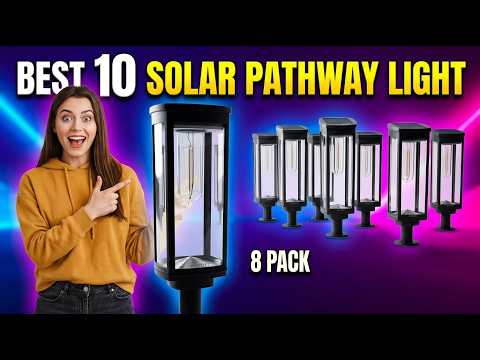
For homeowners who want the absolute best performance, AMARLLY’s solar path lights are a standout choice. With 250 lumens per unit, a 3000 mAh LiFePO4 battery, and an IP67 waterproof rating, these lights perform exceptionally well even during short winter days or prolonged rainy spells. The LiFePO4 chemistry also extends battery lifespan significantly compared to standard lithium-ion cells, meaning fewer replacements over the years.
Best for Weather Resistance: Litom Solar Path Lights
Litom designed their solar garden lights specifically for homeowners in regions with unpredictable weather. The IP67 sealing keeps moisture out completely, and the 2000 mAh lithium battery stores enough charge to power the lights through three or four overcast days. These fixtures produce a warm 150-lumen output that illuminates pathways effectively without creating harsh glare.
Best for Brightness: Baxia Technology Solar Lights
Baxia Technology has earned a strong reputation in the solar lighting community for producing some of the brightest solar-powered fixtures available. Their path light models output 200 lumens and use high-efficiency monocrystalline panels paired with 2000 mAh lithium batteries. The result is reliable all-night illumination that rivals wired alternatives in brightness.
Installation Tips and Placement Strategies
Even the highest-rated solar landscape path lights will underperform if installed incorrectly. Follow these expert guidelines to maximize brightness and runtime.
- Position panels facing south: In the Northern Hemisphere, south-facing exposure ensures maximum direct sunlight absorption. Avoid placing fixtures under dense tree canopy or near tall fences that cast shadows.
- Space lights 6 to 10 feet apart: This spacing creates even, continuous illumination along walkways without dark gaps. Adjust closer for brighter coverage or wider for a softer ambient glow.
- Clean solar panels regularly: Dust, pollen, and bird droppings reduce charging efficiency. A quick wipe-down every two weeks keeps performance at peak levels.
- Let batteries charge fully for the first 48 hours: New solar lights benefit from an initial full charge cycle before first use, which conditions the battery and improves long-term capacity.
- Angle the stake slightly toward the walking path: Tilting the fixture downward by about 15 degrees directs light exactly where you need it rather than scattering it into surrounding foliage.
Common Mistakes That Shorten Solar Path Light Lifespan
Many homeowners experience disappointing results with solar garden lights and assume the technology simply does not work well. In most cases, the problem comes down to preventable setup errors.
- Overcrowding panels with shade: Placing lights near decorative garden features that block direct sun drastically reduces charge time and runtime.
- Skipping the initial charge: Installing new lights without a full pre-charge cycle leaves the battery partially depleted from the factory, affecting first-night performance.
- Using the wrong surface: Soft or sandy soil causes stakes to lean or sink, misaligning the solar panel angle and reducing efficiency.
- Ignoring seasonal adjustments: In winter, lower sun angles mean panels receive less direct light. Moving fixtures to more open areas during colder months helps maintain consistent charging.
- Neglecting battery replacement: Even quality NiMH batteries degrade after 18 to 24 months. Replacing old batteries with matching high-capacity cells restores like-new performance.
How to Choose the Best Solar Path Lights for Your Specific Needs
Selecting the ideal solar pathway lighting depends on three factors: the length of the path, your local climate, and your desired brightness level. For short garden paths under 30 feet, a pack of four budget-friendly lights with 100 lumens or more will suffice. For longer driveways or commercial-style property entrances, invest in higher-lumen models with larger battery capacities and weatherproof ratings above IP65.
If you live in a region with heavy cloud cover or short winter days, prioritize solar path lights with lithium iron phosphate batteries and monocrystalline panels. These technologies capture and store energy more efficiently under suboptimal conditions. For decorative applications where ambiance matters more than visibility, consider models with amber or warm-toned LED emitters, which create a more inviting atmosphere than cool white light.
Final Thoughts on the Best Solar Path Lights
The solar landscape lighting market has matured significantly, and today’s best solar path lights deliver real, usable brightness with minimal maintenance. Whether you choose a budget-friendly starter set or invest in premium commercial-grade fixtures, the key is to prioritize battery quality, solar panel efficiency, and weatherproof construction. Pair your lights with smart placement and seasonal maintenance, and you will enjoy reliable, beautiful nighttime illumination for years to come.
Take time to research your specific outdoor conditions before purchasing, and remember that the cheapest option is rarely the best value when measured against long-term performance and durability. A well-chosen set of solar garden path lights transforms your outdoor space into a safe, welcoming, and visually stunning environment after dark.
FAQs About Solar Path Lights
How long do solar path lights last on a single charge?
Runtime depends heavily on battery capacity and local sunlight conditions. Most quality solar garden path lights with 1000 mAh or higher batteries provide 8 to 12 hours of illumination per full charge. Premium models with 2000 mAh lithium batteries can extend runtime to 14 hours or more on a single sunny day’s charge.
Do solar path lights work in winter or on cloudy days?
Yes, but with reduced performance. Solar panels continue charging during overcast conditions, though at a slower rate. Lights equipped with LiFePO4 or high-capacity lithium batteries handle cloudy stretches better, storing enough energy to power through two to three consecutive low-sunlight days without going dark.
Can I replace the batteries in solar path lights?
Most solar garden lights feature replaceable NiMH or lithium batteries accessible through a screw-down battery compartment. When runtime noticeably decreases, purchasing compatible replacement batteries is a cost-effective way to extend the life of your solar path lighting system without buying entirely new fixtures.
What is the ideal placement distance between solar path lights?
Spacing solar pathway lights 6 to 10 feet apart provides consistent, even illumination along most walkways. Closer spacing of 4 to 6 feet works better for areas requiring higher visibility, such as stairways or entrance steps, while wider spacing of 10 to 12 feet suits decorative garden borders where soft ambient lighting is sufficient.
Are solar path lights waterproof enough for heavy rain?
Only models with IP65 or higher ratings should be trusted in heavy rain or snow. IP44-rated fixtures handle light moisture but can suffer internal corrosion over time in persistently wet climates. Always check the ingress protection rating before purchasing outdoor solar lights for areas prone to harsh weather exposure.