


When you step outside after dark, the right fixture light outdoor transforms your property from a dim, uninviting space into a warm, secure, and visually stunning environment. Outdoor lighting is no longer just about preventing accidents on a dark walkway. Today, homeowners, landscape designers, and property managers treat exterior illumination as a critical extension of their interior design and security strategy. Whether you are upgrading a tired porch light, illuminating a sprawling garden path, or hardwiring dramatic uplighting along a stone facade, understanding the world of outdoor fixture lights empowers you to make smarter, longer-lasting investments. This guide breaks down every major category, material, and practical consideration so you can light up your space with total confidence.

What Exactly Is a Fixture Light Outdoor?
A fixture light outdoor refers to any purpose-built lighting unit engineered to withstand the elements while providing reliable illumination for exterior spaces. Unlike indoor fixtures, outdoor lights must resist moisture, dust, temperature fluctuations, and UV degradation. The term covers a broad spectrum of products — from basic post-mounted bollards to sophisticated, smart-enabled landscape spotlights. These fixtures are rated using IP (Ingress Protection) codes and UL (Underwriters Laboratories) certifications that tell you exactly how tough they are against water and dust intrusion. When you understand these ratings, you stop guessing and start selecting products that will perform year after year, season after season.
Types of Outdoor Fixture Lights
The outdoor lighting market has exploded with variety, and choosing the right type depends entirely on what you are trying to achieve — safety, ambiance, security, or all three. Here is a deep dive into the most popular categories that dominate residential and commercial exteriors.
Pathway and Step Lights
Pathway fixture lights are ground-level or low-profile units installed along walkways, garden edges, and staircases. They serve a dual purpose: guiding foot traffic safely and adding a decorative glow that highlights landscaping features. Most pathway lights use LED technology, which delivers bright, consistent light while consuming a fraction of the energy that older halogen or incandescent alternatives required. You will find these fixtures in materials like powder-coated aluminum, stainless steel, and even cast stone, allowing them to blend seamlessly into natural surroundings.
Wall-Mounted Sconces
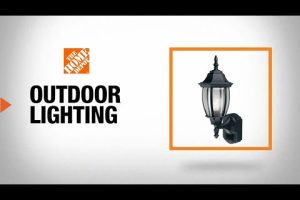
Wall-mounted outdoor sconces are the go-to choice for porches, entryways, and garage walls. They provide focused downward light that makes navigating doorsteps safer while creating a welcoming first impression for guests. Many modern exterior sconces come with interchangeable shields and lenses, letting you adjust the beam angle from a wide, ambient wash to a narrow, task-oriented spotlight. Look for damp-rated or wet-rated models depending on whether your sconce is protected under an overhang or fully exposed to rain.
Floodlights and Security Lights
For serious visibility and deterrence, outdoor floodlights are unmatched. These high-lumen fixtures blast large areas with intense light, making them ideal for illuminating driveways, backyards, and building perimeters. Modern security lights often integrate motion sensors and photocells, so they activate only when needed, saving energy and avoiding light pollution that annoys neighbors. Some advanced models support color temperature adjustments and even camera compatibility, turning a simple floodlight into a full surveillance hub.
Pendant and Post Lights
Pendant and post-mounted fixture lights bring a touch of architectural elegance to outdoor dining areas, patios, and entry courtyards. They hang from overhead structures or stand on dedicated posts, casting light downward in a controlled cone. These fixtures are perfect for creating intimate gathering spaces after sunset and work beautifully over outdoor kitchens, fire pits, and bar seating areas.
Materials That Matter: Durability You Can Trust

The material of your outdoor fixture light directly determines its lifespan, corrosion resistance, and visual appeal. Here are the most common options and what you need to know about each.
- Stainless Steel (304 and 316 grades): The gold standard for coastal and high-moisture environments. Grade 316, in particular, contains molybdenum, which makes it highly resistant to saltwater corrosion. It is more expensive than other metals but lasts decades with minimal maintenance.
- Powder-Coated Aluminum: Lightweight yet durable, powder-coated aluminum resists rust and UV fading. It is the most common material in mid-range outdoor fixtures and offers excellent value for the price.
- Cast Aluminum: Heavier and more robust than extruded aluminum, cast aluminum fixtures have a premium feel and excellent thermal properties that help manage heat in LED housings.
- Brass and Copper: Naturally beautiful metals that develop a patina over time. They are corrosion-resistant but typically cost significantly more and require occasional polishing if you want to maintain the original finish.
- Polycarbonate and Resin: Budget-friendly and shatter-resistant, these plastic-based housings work well for temporary or low-exposure installations but generally do not match the longevity of metal alternatives.
How to Choose the Right Outdoor Fixture Light
Selecting the perfect outdoor fixture light involves balancing several factors beyond just aesthetics. Use this practical checklist to narrow down your options before making a purchase.
- Determine the IP Rating You Need: For fully exposed areas where rain and direct water contact are expected, choose an IP65 or higher rating. For sheltered locations under a porch roof, IP44 may be sufficient.
- Match the Light Source to the Purpose: Use warm white LEDs (2700K–3000K) for ambient porch lighting, neutral white (3500K–4000K) for task areas like grilling stations, and cool white (5000K+) for security floodlights where maximum visibility is the goal.
- Check the Lumens Output: Pathway lights typically need 50–200 lumens per unit, while security floodlights should deliver 1,000–3,000 lumens or more depending on the area size.
- Verify the Fixture’s Dimensions and Mounting Requirements: Measure your available space and confirm whether the fixture requires hardwiring, surface mounting, or stake insertion into the ground.
- Consider Smart Compatibility: Many modern outdoor fixtures integrate with smart home ecosystems like Alexa, Google Home, and Apple HomeKit, allowing remote control, scheduling, and dimming from your phone.
Installation Tips That Make a Real Difference
Proper installation is just as important as choosing a high-quality fixture. Even the best outdoor light will underperform or fail prematurely if it is not installed correctly. Here are expert-level tips to keep in mind.
- Always turn off the circuit breaker before beginning any electrical work and use a voltage tester to confirm the power is completely off.
- Use weatherproof junction boxes and silicone-sealed wire nuts for every outdoor connection to prevent moisture infiltration.
- For pathway lights, dig holes at least 6–8 inches deep to ensure stability and prevent shifting during freeze-thaw cycles.
- Position floodlights at a 30-to-45-degree angle aimed at the target surface to minimize glare and reduce light spill into neighboring properties.
- Use conduit for any exposed wiring runs between the fixture and the electrical source to protect the cables from UV damage and physical abrasion.
Outdoor Fixture Light Types Compared
Not sure which category fits your needs best? The table below compares the most popular outdoor fixture light types across key performance and practical metrics.
| Fixture Type | Primary Use | Typical Lumens | IP Rating Range | Avg. Lifespan | Price Range |
| Pathway Lights | Walkway guidance, garden accent | 50–200 lm per unit | IP44–IP67 | 15,000–50,000 hrs | $15–$80 per unit |
| Wall Sconces | Entryway, porch, garage | 300–800 lm | IP44–IP65 | 20,000–50,000 hrs | $30–$150 per unit |
| Floodlights | Security, large area illumination | 1,000–3,000+ lm | IP44–IP66 | 15,000–35,000 hrs | $25–$200 per unit |
| Pendant / Post Lights | Patio, dining, courtyard | 400–1,200 lm | IP44–IP65 | 20,000–50,000 hrs | $50–$300 per unit |
Maintenance Best Practices for Longevity
Even the most rugged outdoor fixture light benefits from routine care. Dust, dirt, pollen, and mineral deposits on lenses can reduce light output by 30% or more over time. A simple maintenance schedule keeps everything performing at peak efficiency.
- Clean lenses and housings every 3–6 months using a soft cloth and mild soap solution. Avoid abrasive cleaners that can scratch protective coatings.
- Inspect seals and gaskets annually. Look for cracks, compression loss, or brittleness that could allow moisture inside the housing.
- Tighten mounting hardware seasonally, especially after periods of high wind or ground settling that can loosen stakes and brackets.
- Replace bulbs or LED modules promptly when you notice dimming or flickering. A failing light source can stress the driver circuitry and shorten the fixture’s overall lifespan.
- Trim vegetation regularly around fixtures to prevent branches from rubbing against lenses and blocking light output.
Frequently Asked Questions
What is the best outdoor fixture light for a rainy climate?
For rainy or coastal climates, look for fixtures rated IP65 or higher with stainless steel or powder-coated aluminum construction. These ratings ensure complete dust protection and resistance to water jets, making them ideal for regions with heavy rainfall, persistent humidity, or salt air exposure.
Can I install an outdoor fixture light myself, or should I hire an electrician?
If you are replacing an existing fixture and are comfortable working safely with electrical connections, a DIY installation is entirely manageable for most wall sconces and post lights. However, for new circuits, hardwired floodlights, or any installation involving conduit and junction boxes in exposed locations, hiring a licensed electrician ensures code compliance and long-term safety.
What color temperature works best for outdoor fixture lights on porches?
Warm white light in the 2700K–3000K range is the most popular and flattering choice for porches and entryways. It creates a cozy, inviting atmosphere that closely mimics the warm glow of traditional incandescent bulbs while still benefiting from the energy efficiency and longevity of modern LED technology.
How do I prevent my outdoor fixture light from attracting insects?
Insects are most attracted to short-wavelength light in the blue and UV spectrum. Switching to warm white LEDs (2700K) significantly reduces insect activity around your fixtures. Additionally, fixtures with enclosed lenses or shielded designs prevent light from spilling upward, which further minimizes the attraction of moths and other night-flying insects.
What is the difference between damp-rated and wet-rated outdoor fixtures?
A damp-rated fixture is suitable for locations protected from direct water exposure but subject to humidity, such as under a covered porch or eave. A wet-rated fixture can withstand direct rainfall and is designed for fully exposed outdoor installations. Always match the rating to the fixture’s specific placement to avoid premature failure or safety hazards.
Final Thoughts
Choosing the right fixture light outdoor is one of the highest-impact upgrades you can make to your property. It simultaneously boosts curb appeal, enhances safety, and improves security — three outcomes that compound over years of reliable performance. By understanding the different types, materials, ratings, and installation best practices, you move from a passive buyer to an informed decision-maker. Whether you are lighting a single entryway or illuminating an entire landscape, let the principles in this guide steer you toward fixtures that look great, last long, and perform flawlessly in every season. The right light, in the right place, at the right brightness level, turns any ordinary exterior into a destination.