


Stepping into a beautifully illuminated backyard after sunset completely transforms the atmosphere of your outdoor sanctuary. Garden lights do more than just chase away the darkness; they highlight architectural details, guide you safely along walkways, and extend the usability of your patio well into the evening hours. Whether you are a first-time homeowner looking to add a simple string of solar lanterns or a dedicated landscaping enthusiast planning a comprehensive low-voltage setup, understanding the nuances of exterior illumination is crucial. The right lighting strategy elevates your landscape design, creates a welcoming ambiance, and significantly enhances your home’s curb appeal. In this comprehensive guide, we will explore everything you need to know about selecting, installing, and designing with garden lights to achieve a professional-looking exterior that you can enjoy all year round.
The Ultimate Guide to Choosing the Perfect Garden Lights
Understanding the Types of Outdoor Lighting Fixtures
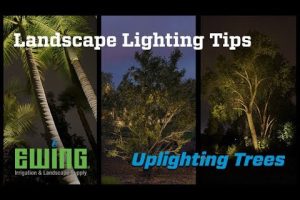
Before you make any purchases, it is essential to understand the different categories of garden lights available on the market. Each type serves a specific purpose in your landscape lighting plan. Pathway lights are the workhorses of exterior illumination, providing safe passage and ambient glow along garden borders. Spotlights and uplights are perfect for dramatic garden spotlights that wash over tree trunks or highlight a vibrant flower bed. Bollard lights offer a softer, diffused light that defines spaces without creating harsh glare. Finally, string lights bring a whimsical charm to pergolas and patios, creating an inviting space for entertaining guests.
When evaluating garden spotlights and fixtures, pay close attention to the IP rating (Ingress Protection), which indicates how weather-resistant the light is. For any lighting exposed to the elements, an IP65 rating or higher is non-negotiable. This ensures that your investment withstands heavy rain, snow, and the relentless UV exposure of direct sunlight. You should also consider the beam angle of your fixtures. Narrow beam angles concentrate light into a spotlight effect, ideal for illuminating a single architectural feature or a tall tree. Wide beam angles spread the illumination across a broader area, perfect for washing a retaining wall or illuminating an entire border. The material of the fixture is equally important. Die-cast aluminum and marine-grade stainless steel offer superior durability and weather resistance compared to plastic, ensuring your landscape lighting maintains its aesthetic appeal for years to come.
Installation Strategies for Every Skill Level
Getting Started with Solar and Portable Options
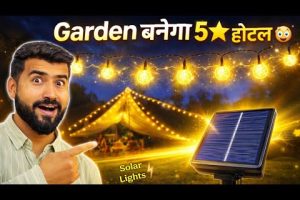
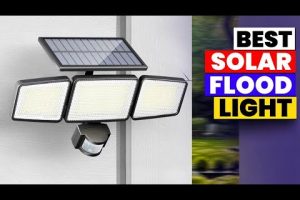
For beginners, solar-powered garden lights are the most accessible entry point. These fixtures require absolutely no wiring, making them ideal for renters or anyone looking to avoid the hassle of electrical work. Simply stake them into the ground or place them on tabletops, and the built-in photovoltaic panels charge during the day. However, it is important to manage expectations: solar landscape lighting is best used for subtle accent lighting rather than illuminating your entire backyard.
- Look for solar lights with high-capacity lithium-ion batteries for longer illumination times.
- Position the solar panels in areas that receive at least six hours of direct sunlight daily.
- Clean the solar panels regularly to maximize energy absorption and efficiency.
As solar technology has advanced, modern solar garden lights now feature motion sensors and adjustable brightness settings. This allows you to conserve power while ensuring the light activates only when needed. If you live in an area with frequent overcast weather, consider purchasing solar lights with separate solar panels that can be positioned independently of the fixture, maximizing the amount of sunlight captured even in shaded corners of your yard.
Stepping Up: Low-Voltage Garden Lighting Systems
Once you are ready to step up your game, low-voltage landscape lighting is the gold standard for residential properties. Operating at 12 volts instead of the standard 120 volts, these systems are safer, more energy-efficient, and incredibly versatile. A typical setup includes a transformer that steps down the household current, a cable run, and compatible fixtures.
Installing a low-voltage system is an intermediate DIY project that most homeowners can tackle over a weekend. You will need to dig shallow trenches for the cable, connect the transformer, and mount the fixtures. Always use outdoor-rated wire connectors and ensure the transformer is sized correctly to handle the total wattage of your connected fixtures. This prevents voltage drop, which can cause your garden lights to dim the further they are from the power source. A general rule of thumb is to choose a transformer rated for 20 to 30 percent more wattage than your system requires, leaving room for future expansion.
Advanced Systems: Smart Lighting and Hardwired Solutions
For advanced users, hardwired line-voltage lighting and smart garden lighting systems offer unparalleled control and intensity. Hardwired fixtures are permanently installed and often feature higher-quality materials, such as die-cast aluminum or marine-grade stainless steel. Pairing these with smart home hubs allows you to adjust the color temperature, set automated schedules, and integrate your exterior illumination with other smart devices. Hardwired systems are particularly beneficial for large properties where extensive illumination is required for both aesthetic and security purposes. They can be connected to motion sensors and dusk-to-dawn photocells, ensuring your exterior spaces are both welcoming and secure throughout the night.
Design Principles for Stunning Outdoor Ambiance
Throwing a few garden lights around the yard randomly will not create a cohesive look. Professional landscapers rely on specific design principles to ensure a balanced and visually appealing exterior. The goal is to create layers of light that guide the eye and highlight the best features of your property.
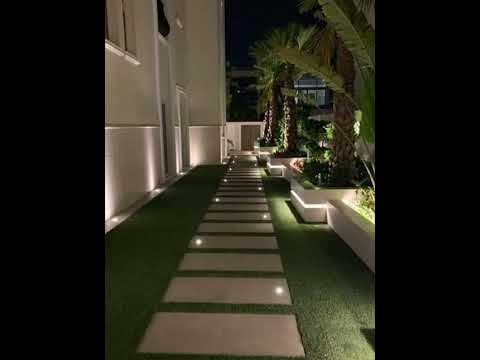
Start by identifying focal points. What do you want visitors to see first? A mature oak tree, a water feature, or your home’s textured facade? Use uplighting to draw attention upward, and downlighting to create soft, moonlight-like shadows across pathways. Avoid over-lighting, which can wash out the natural beauty of your plants and create harsh glare. The key to exceptional garden illumination is subtlety—let the fixtures blend into the landscape while the light does the talking. Incorporating negative space is another crucial design principle. Not every area needs to be brightly lit; allowing pockets of darkness creates depth and contrast, making the illuminated areas stand out even more dramatically. This technique mimics natural moonlight and creates a sophisticated, cinematic atmosphere in your outdoor living space.

Comparison Table: Solar vs. Low-Voltage vs. Line-Voltage Garden Lights

| Feature | Solar Garden Lights | Low-Voltage Systems | Line-Voltage Systems |
| Installation | Easy, no wiring | Moderate, requires transformer | Complex, requires electrician |
| Energy Source | Sunlight | Plug-in transformer | Direct household current |
| Brightness | Low to Moderate | Moderate to High | Very High |
| Cost | Low upfront | Medium upfront | High upfront |
| Best For | Small patios, accents | Pathways, accent lighting | Security, large landscapes |
Expert Tips for Maximizing Your Garden Lighting
Even the most expensive garden lights will fall flat if they are not deployed strategically. Here are some expert recommendations to ensure your exterior illumination looks professional and performs beautifully:
- Mind the Color Temperature: For a warm, inviting atmosphere, choose fixtures with a color temperature between 2700K and 3000K. This mimics the cozy glow of incandescent light and looks stunning on natural materials like wood and stone.
- Use Dimmer Controls: Installing dimmers on your landscape lighting allows you to adjust the ambiance for different occasions, from energetic outdoor dining to quiet, romantic evenings.
- Consider Light Pollution: Aim your garden lights downward or use shielded fixtures to prevent light from spilling into your neighbors’ windows or the night sky. Dark-sky compliant lighting is both neighborly and environmentally responsible.
- Check the Finish: Opt for powder-coated or stainless steel finishes to prevent rust and corrosion. Brass and copper are excellent choices that develop a beautiful patina over time.
- Regular Maintenance: Clean your fixtures annually to remove dirt and debris that can obstruct the light output. Check for damaged wiring on low-voltage systems and replace any bulbs that have gone dim to maintain even illumination.
Frequently Asked Questions About Garden Lights
What is the best garden lights for pathways? For pathways, bollard lights and flush-mount pathway stakes are the best garden lights because they provide low-level illumination that guides footsteps safely without casting harsh shadows. Look for LED fixtures with frosted lenses to diffuse the light evenly across walkways and garden borders.
How do you install low-voltage garden lights? Installing low-voltage garden lights begins with placing a transformer near an outdoor outlet, then running a 12-gauge cable through shallow trenches to your desired fixture locations. Connect the fixtures to the cable using weatherproof connectors, ensuring the polarity matches, and attach the transformer to the household current.
Are solar garden lights any good for large yards? While solar garden lights have improved dramatically in recent years, they are generally not the best solution for large yards. The limited battery capacity of solar panels struggles to sustain bright illumination over vast distances. For large landscapes, a low-voltage system is highly recommended to ensure consistent brightness across the entire space.
What color temperature is best for garden lights? A color temperature between 2700K and 3000K is widely considered the best for garden lights. This warm white tone enhances the natural greens and earth tones of your landscape, creating a relaxing and inviting atmosphere that is perfect for evening relaxation and outdoor entertaining.
How can I make my garden lights energy efficient? To make your garden lights energy efficient, switch to LED technology, which consumes up to 80% less power than traditional incandescent bulbs. Additionally, choose fixtures with smart photocells or timers so that your exterior illumination only operates during the necessary hours, reducing wasted energy and lowering your electricity bill.
Bringing Your Garden to Life After Dark
Investing in high-quality garden lights is more than just a home improvement project; it is an investment in your quality of life and the aesthetic value of your property. From the simplicity of solar stakes to the sophistication of a smart, low-voltage network, the right lighting plan turns your garden into a magical extension of your living space. By understanding the different fixture types, applying proven design principles, and following the installation tips outlined above, you can create an outdoor environment that is both safe and breathtakingly beautiful. Start planning your garden lighting project today, and watch as your landscape comes alive with a stunning, welcoming glow long after the sun goes down.