


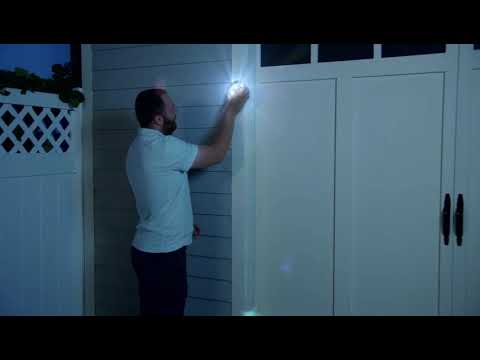
When it comes to outdoor lighting solutions that combine durability, affordability, and smart solar technology, Bell and Howell solar lights have carved out a significant reputation among homeowners, property managers, and DIY enthusiasts alike. This trusted brand has been around for decades, originally known for its contributions to optical and imaging equipment, and has successfully transitioned into the solar lighting market with products that deliver reliable performance. Whether you are looking to illuminate a garden pathway, secure your driveway, or add ambient lighting to your backyard deck, Bell and Howell solar lights offer a compelling combination of quality engineering and value pricing. In this comprehensive guide, we will explore everything you need to know about these solar lighting solutions, from the technology behind them to practical buying advice and maintenance tips that will help you get the most out of your investment.
What Are Bell and Howell Solar Lights?
Bell and Howell solar lights are outdoor lighting fixtures powered entirely by renewable solar energy. These units typically include a built-in photovoltaic panel, a rechargeable battery, LED light sources, and weather-resistant housing, all integrated into a single streamlined design. The brand leverages its decades of manufacturing expertise to produce solar lights that are not only functional but also aesthetically versatile, fitting seamlessly into residential landscapes, commercial properties, and public spaces.
What sets Bell and Howell apart from many generic solar light brands is the company’s commitment to optical quality and engineering precision. Even though they are a solar lighting brand now, the heritage of optical excellence from the original Bell and Howell company still influences product design philosophy. The result is solar lighting that tends to offer consistent beam patterns, efficient energy conversion, and robust build quality.
Key Features and Technologies
Understanding the technical specifications behind Bell and Howell solar lights can help you make a more informed purchasing decision. Here are the standout features you will find across their product lineup:
Solar Panel Efficiency
Most Bell and Howell solar lights use monocrystalline or polycrystalline silicon solar panels. Monocrystalline panels are generally more efficient at converting sunlight into electrical energy, which means faster charging times and longer illumination periods. Many models include panels rated between 1 and 2 watts, which is sufficient for medium-sized LED arrays. Some newer models have adopted improved panel coatings that maximize light absorption even on overcast or partially shaded days.
Battery and Lighting Technology
The rechargeable batteries used in Bell and Howell solar lights are typically nickel-metal hydride (NiMH) or lithium-ion cells, depending on the model and price point. Lithium-ion batteries offer superior longevity, deeper discharge cycles, and better performance in colder climates. The LED arrays themselves range from warm white to cool white color temperatures, and many models include adjustable brightness settings or motion-sensor activation modes that conserve battery life while enhancing security functionality.
- Automatic dusk-to-dawn operation with built-in photoresistors
- IP65 or higher weather resistance ratings for rain and dust protection
- Adjustable solar panels or fully integrated panel designs
- Multiple lighting modes including steady-on, motion-activated, and dimmed settings
- Corrosion-resistant housing materials including aluminum and reinforced ABS plastic
Motion Detection and Security Features
Several Bell and Howell solar light models include passive infrared (PIR) motion sensors that detect movement within a range of up to 26 feet. These sensors are particularly effective for security applications, triggering bright illumination when someone enters the detection zone. The motion activation not only enhances safety but also extends battery life significantly by reducing unnecessary runtime during inactive periods.

Popular Bell and Howell Solar Light Models
The Bell and Howell product catalog includes a range of solar lighting options designed for different applications. Below is an overview of the most commonly recognized categories:
- Solar Pathway Lights — Designed for lining walkways, garden borders, and flower beds. These typically feature stake-mounted designs with low-profile LED heads and warm-toned illumination.
- Solar Flood Lights — Higher-powered units intended for large area coverage such as driveways, garages, and building perimeters. Many include adjustable heads and motion sensors.
- Solar Wall-Mounted Lights — Designed for installation on fences, walls, and posts. These often include swivel mounting brackets for directional aiming.
- Solar Deck and Step Lights — Compact, low-profile fixtures for illuminating stairs, decks, and patio edges to prevent trips and falls.
How to Choose the Right Bell and Howell Solar Light for Your Needs
Selecting the ideal solar light from the Bell and Howell range depends on several practical factors that go beyond just aesthetics. Here is a structured approach to help you decide:
Assess Your Lighting Purpose
Are you looking for decorative ambiance, functional pathway illumination, or robust security lighting? Each purpose demands different specifications in terms of lumens, beam angle, and sensor sensitivity. For decorative purposes, lower lumen outputs with warm color temperatures work best. For security, prioritize models with higher lumens and reliable motion detection.
Evaluate Your Sunlight Exposure
Solar panels need adequate direct sunlight to charge effectively. Before purchasing, observe the intended installation location throughout the day. If an area receives less than five hours of direct sunlight, you may want to consider models with larger panels or higher-capacity batteries to compensate for reduced charging efficiency.
Consider Installation and Maintenance
Bell and Howell solar lights are generally designed for tool-free or minimal-tool installation. However, some models require specific mounting hardware or surface preparations. Factor in the time and effort you are willing to invest, and review the mounting options included with each product before buying.
Installation and Placement Best Practices
Proper installation plays a critical role in maximizing the performance and lifespan of your Bell and Howell solar lights. Follow these expert recommendations to get optimal results:
- Position the solar panel facing south (in the Northern Hemisphere) to capture the maximum amount of sunlight throughout the day.
- Clean the solar panel surface regularly to remove dust, debris, and bird droppings that can obstruct light absorption.
- Install lights at the recommended height — pathway lights typically work best at 12 to 18 inches above ground, while flood lights should be mounted at least six feet high for optimal coverage.
- Allow the battery to fully charge before the first use. Most manufacturers recommend an initial charge of 8 to 12 hours of direct sunlight.
- Avoid placing lights near competing light sources such as street lamps or porch lights, as these can interfere with the photoresistor’s dusk detection capability.
Bell and Howell Solar Lights: Model Comparison
The following table compares key specifications across three popular Bell and Howell solar lighting categories to help you quickly identify the right product for your application.
| Category | Lumens | Battery Type | Motion Sensor | Runtime | Best Use Case |
| Pathway Lights | 10-30 lm | NiMH | No | 8-10 hours | Garden walkways, decorative borders |
| Flood Lights | 100-400 lm | Li-ion | Yes (PIR) | 6-10 hours | Driveways, security perimeters |
| Wall-Mounted Lights | 50-150 lm | Li-ion | Optional | 8-12 hours | Fences, entrances, patios |
This comparison table highlights the trade-offs between lumen output, battery technology, and runtime across the product spectrum. Higher lumen flood lights typically have shorter runtimes because the LED draw is significantly greater, but they also deliver far more intense illumination over a wider area.
Maintenance and Longevity Tips
Bell and Howell solar lights are built to withstand outdoor exposure, but like any outdoor equipment, they perform best with periodic maintenance. Here are some practical steps to extend the life of your solar lighting system:
- Wipe down solar panels monthly with a damp cloth to maintain peak charging efficiency.
- Replace rechargeable batteries every 18 to 24 months, as battery capacity naturally degrades over time.
- Check for physical damage after severe weather events such as hailstorms or heavy snow accumulation.
- Adjust panel angles seasonally to account for the changing position of the sun in the sky.
- Apply a thin layer of silicone sealant around the housing edges if you notice any moisture infiltration.
With proper care, most Bell and Howell solar lights can deliver reliable service for three to five years or more, making them a worthwhile long-term investment compared to continuously powered electric lighting solutions.
Why Bell and Howell Solar Lights Stand Out in the Market
The solar lighting market is saturated with options ranging from budget-tier imports to premium brands with advanced smart features. Bell and Howell occupies a compelling middle ground that appeals to consumers who value brand heritage, solid engineering, and competitive pricing. The company’s background in optical technology means its solar products tend to deliver superior light distribution patterns compared to many competitors at similar price points. Additionally, the brand’s long-standing reputation for quality gives consumers confidence that they are purchasing a product backed by meaningful warranty support and customer service infrastructure.
Another advantage is the brand’s focus on simplicity. Unlike some solar lighting systems that require complex app connectivity or smart home integrations, Bell and Howell solar lights are designed to work out of the box with minimal setup. This makes them particularly appealing for older homeowners, renters who prefer non-permanent installations, and anyone who values hassle-free functionality.
Frequently Asked Questions
How long do Bell and Howell solar lights last on a full charge?
Runtime varies by model and battery capacity. Most pathway lights last between 8 and 10 hours on a full charge, while solar flood lights typically provide 6 to 10 hours depending on the brightness mode and whether the motion sensor is actively triggered throughout the night.
Can Bell and Howell solar lights work in cloudy or shaded areas?
Yes, though performance will be reduced. Solar panels can still charge from indirect and diffused light, but charging times will be longer and runtime will be shorter. For shaded locations, consider models with larger solar panels or higher-capacity lithium-ion batteries to maximize available energy storage.
Are Bell and Howell solar lights easy to install without professional help?
Absolutely. The vast majority of Bell and Howell solar light products feature stake-mount, wall-mount, or ground-screw installation designs that require no electrical wiring and only basic hand tools. Most models can be set up in under fifteen minutes per unit.
What should I do if my Bell and Howell solar light stops working?
Start by checking the solar panel for dirt or debris buildup and ensure it is receiving adequate sunlight. Next, verify that the battery is not depleted or damaged, as NiMH batteries commonly lose capacity after two to three years. If the LED itself has failed, contact Bell and Howell customer service for replacement parts or warranty claims.
Do Bell and Howell solar lights come with a warranty?
Yes, Bell and Howell generally provides limited warranties on their solar lighting products, with coverage periods varying by product line. It is recommended to register your purchase and retain the receipt to ensure full warranty eligibility in case of manufacturing defects or premature failure.
Are Bell and Howell solar lights a good choice for home security?
They are an excellent supplementary security option, especially for areas where running electrical wiring is impractical. The motion-activated flood light models are particularly effective at deterring intruders by suddenly illuminating dark areas when movement is detected, providing both visual deterrence and improved surveillance visibility for security cameras.
Final Thoughts
Bell and Howell solar lights represent a smart, practical, and aesthetically pleasing solution for anyone looking to illuminate outdoor spaces without increasing electricity costs. Backed by a legacy of optical and engineering excellence, these solar lighting products deliver reliable performance across a wide range of applications — from gentle garden pathway lighting to powerful motion-activated security floods. By understanding the key features, choosing the right model for your specific needs, and following proper installation and maintenance practices, you can enjoy years of dependable solar-powered illumination. Whether you are upgrading a single dark corner of your yard or planning a comprehensive outdoor lighting overhaul, Bell and Howell solar lights deserve a prominent place on your shortlist of brands to consider.