


A clip-on desk light is one of the most practical and space-efficient lighting solutions you can add to any workspace, study area, or bedside setup. Whether you are a college student juggling late-night study sessions, a remote professional juggling multiple monitors, or a creative artist who demands precise color rendering, a well-chosen clip-on desk lamp can transform the way you work and live. Unlike traditional floor lamps or heavy desk-mounted fixtures, a clip-on lamp clamps directly to the edge of a desk, shelf, or shelf bracket, freeing up precious surface area while delivering focused, adjustable illumination exactly where you need it. In this comprehensive guide, we will dive deep into everything you need to know about clip-on desk lights — from the key features that matter most, to the best models on the market, placement strategies, and expert tips that will help you make a smarter, more informed purchase decision.
What Is a Clip-On Desk Light and Why It Matters
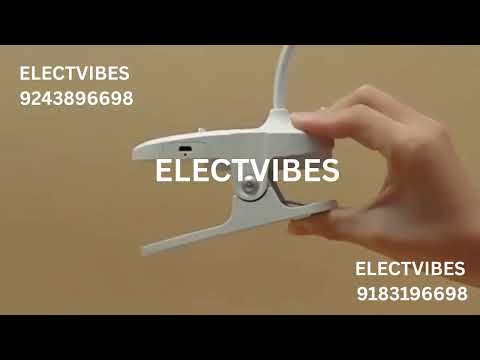
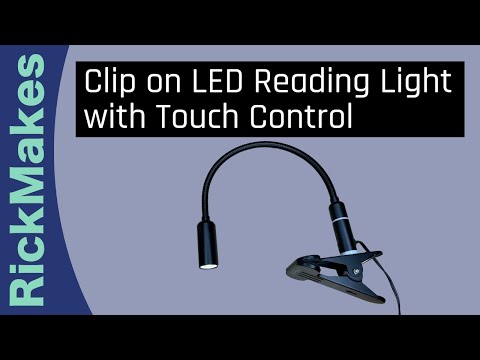
A clip-on desk light is a portable, clamp-mounted lighting fixture designed to attach directly to the edge of a desk, bookshelf, or similar surface without requiring a dedicated base or bulky footprint. These lamps typically feature a spring-loaded or screw-tightened clip mechanism, an adjustable gooseneck or articulated arm, and a light head that can pivot, tilt, and rotate to direct illumination at specific areas. The appeal of a clip-on desk lamp lies in its simplicity and versatility. You do not need a large desk to accommodate it, and you can reposition it within seconds if your workspace layout changes. For people working in small apartments, dorm rooms, or shared offices, this kind of flexibility is invaluable. Beyond saving space, clip-on lights also reduce eye strain by providing task-specific lighting that minimizes shadows and glare on your work surface.
Key Features to Evaluate When Choosing a Clip-On Desk Lamp
Not all clip-on desk lights are created equal. Before you spend your hard-earned money, understanding the core features that separate a mediocre product from a standout one will save you time, frustration, and returns. Here are the critical specifications and design elements you should prioritize.

Brightness and Lumens Output
The brightness of a clip-on desk lamp is measured in lumens, and this number directly affects how well you can see your work without squinting or straining. For general office tasks, look for a clip-on desk light that delivers between 500 and 800 lumens. If you are doing detailed design work, reading fine print, or crafting, aim for 1,000 lumens or more. Many modern LED clip-on lamps offer adjustable brightness settings, allowing you to dim the light for relaxed evenings or crank it up for high-concentration tasks. A lamp with at least three brightness levels gives you the most flexibility throughout your day.
Color Temperature and Tunable White
Color temperature, measured in Kelvin (K), determines whether your light appears warm, neutral, or cool. A clip-on desk lamp with tunable white settings — typically spanning from 2700K (warm amber) to 6500K (daylight) — lets you match your lighting to the time of day and the nature of your work. Cooler, bluish light around 5000K to 6500K boosts alertness and concentration, making it ideal for morning work sessions. Warmer tones around 2700K to 3000K reduce blue light exposure in the evening, supporting healthier sleep patterns. Look for lamps that offer smooth transitions between temperature settings rather than fixed presets.
Color Rendering Index (CRI)
The CRI measures how accurately a light source renders colors compared to natural sunlight, which has a CRI of 100. A clip-on desk lamp with a CRI of 90 or above will make colors appear true-to-life, which is essential for graphic designers, photographers, painters, and anyone working with visual materials. Cheap clip-on lights often have a CRI below 80, which can make your workspace look dull and distort the appearance of documents, fabrics, and digital designs.
Clip Design and Build Quality
The clip mechanism is the defining feature of this lamp category, so pay close attention to its construction. A high-quality clip should grip surfaces between 1 and 5 centimeters thick without slipping or marring the material. Silicone-padded clips are gentler on wooden desks and painted surfaces. Some models use a spring-loaded clamp, while others feature a screw-tightened C-clamp for a more permanent, stable hold. Consider the weight of the lamp as well — heavier models may require sturdier desk edges to remain secure.
Arm Flexibility and Reach
The gooseneck or articulated arm determines how far and in what direction the light can reach. Multi-joint arms with friction hinges allow you to lock the lamp into any position and maintain that position without gradual drooping. The total reach from the clip to the light head matters if your desk is deep or if you need to illuminate multiple areas from a single mounting point.
Best Clip-On Desk Lights for Different Use Cases
Choosing the right clip-on desk lamp depends heavily on what you will be using it for. Different tasks demand different combinations of brightness, color accuracy, and design features. Here is a breakdown of the best use cases and what to look for in each.
For Office Workers and Remote Professionals
If you spend eight or more hours a day at a computer, eye fatigue is your biggest enemy. A clip-on desk light with adjustable brightness and a color temperature around 4000K to 5000K provides a comfortable, neutral-white illumination that reduces screen glare and keeps your focus sharp. USB-powered models are especially convenient because they can plug directly into your computer or a USB wall adapter, eliminating the need for a wall outlet near your desk. Look for features like flicker-free technology and low blue light emission, which help minimize the long-term effects of prolonged screen exposure.
For Students and Study Environments
Students often study in compact dorm rooms or shared desks where space is at a premium. A lightweight clip-on desk lamp with a flexible neck and a rechargeable battery option offers the freedom to move it between a dorm desk, a library table, or a bedside nightstand. For late-night study sessions, a lamp with a built-in USB charging port on the base is a bonus — it lets you charge your phone or tablet while you read. Consider models with a dedicated “reading mode” that provides even, shadow-free illumination across a textbook or notebook.
For Creative and Craft Work
Artists, seamstresses, model builders, and hobbyists require lighting that reveals true colors and fine details. A clip-on desk lamp with a CRI of 95 or higher and a high lumen output is essential for these applications. Adjustable color temperature is also important because different materials and techniques benefit from different lighting conditions. A lamp with a wide, flat light head that reduces harsh shadows is preferable over a narrow spotlight for most craft and art tasks.
Top Clip-On Desk Light Models Compared

The table below compares some of the leading clip-on desk lights across key specifications to help you quickly narrow down your options.
| Model | Brightness (Lumens) | Color Temp Range | CRI | Power Source | Price Range |
| BenQ e-Reading LED Clip | Up to 1,000 | 2700K–5700K | 95 | AC Adapter | $150–$180 |
| Taotronics TT-DL16 | Up to 500 | 3000K–6000K | 90+ | USB / Battery | $25–$35 |
| HOTO LED Desk Clip Lamp | Up to 700 | 3000K–6000K | 95 | USB-C | $30–$45 |
| BenQ ScreenBar Halo | Up to 600 | 2700K–5700K | 95 | USB | $180–$220 |
| URPOWER LED Clip-On Lamp | Up to 600 | 3000K–6000K | 85 | USB / Battery | $18–$28 |
As you can see from the comparison, there is a clip-on desk light for virtually every budget. Premium models like the BenQ e-Reading LED and ScreenBar Halo deliver exceptional color accuracy and eye-care technology, while budget-friendly options from Taotronics and URPOWER offer excellent value for everyday use.
How to Choose the Right Clip-On Desk Light for Your Setup
With so many options on the market, narrowing down your choice comes down to understanding your specific needs. Start by measuring the thickness of the surface where you plan to mount the lamp — the clip must accommodate it. Next, assess your primary tasks. If you are mostly typing and reading documents, a moderate-brightness lamp with neutral white light will serve you well. If you are doing precision work like soldering, drawing, or video editing, prioritize high CRI and higher lumens. Finally, consider your power situation. If you have limited outlets nearby, a rechargeable or USB-powered clip-on lamp gives you freedom of placement.
Installation and Placement Tips for Optimal Lighting
Even the best clip-on desk lamp will underperform if it is not positioned correctly. Here are some proven strategies for getting the most out of your setup.
- Mount the lamp on the opposite side of your dominant hand. If you are right-handed, clip the lamp to the left edge of your desk so that your hand does not cast shadows on your work area.
- Position the light head at a 45-degree angle above your workspace. This angle provides even illumination without causing glare on screens or reflective surfaces.
- Keep the lamp at least 12 inches from your eyes to reduce direct glare. The light should illuminate your desk, not shine directly into your line of sight.
- Use the gooseneck to direct light precisely. Experiment with different arm positions until you find the sweet spot that eliminates shadows in your primary work zone.
- Consider ambient lighting balance. A clip-on desk lamp works best when paired with moderate room lighting. A pitch-dark room combined with a single bright task light can actually increase eye fatigue rather than reduce it.
Common Mistakes to Avoid When Buying and Using a Clip-On Desk Lamp
- Ignoring the clip size. Not all desk edges are the same thickness. A clip designed for thin surfaces will not hold securely on a thick wooden desk, and vice versa.
- Skipping the CRI check. A lamp with a low CRI may look bright but will make everything appear flat and washed out, which is counterproductive for detailed work.
- Overlooking heat management. Even LED lamps generate some heat. Cheap models with poor ventilation can become uncomfortably warm after extended use, potentially shortening the lifespan of the LEDs.
- Choosing style over function. A sleek design looks great in product photos, but if it lacks adjustable brightness or has a flimsy clip, it will not serve you well in daily use.
- Neglecting the power cord length. If your outlet is far from your desk, a short cord can be a major inconvenience. Consider USB-powered or battery-operated options if cord length is a concern.
Frequently Asked Questions (FAQs)
What is the best clip-on desk light for a small desk with limited space?
The Taotronics TT-DL16 is widely regarded as the best clip-on desk light for small desks because of its compact clip profile, flexible gooseneck, and USB-powered design that eliminates the need for a bulky power adapter. It delivers up to 500 lumens with adjustable color temperature and brightness, making it versatile enough for reading, typing, and general workspace illumination without eating up valuable desk real estate.
Can a clip-on desk lamp replace a traditional desk lamp entirely?
Yes, a clip-on desk lamp can absolutely replace a traditional desk lamp for most users, provided you choose a model with sufficient lumen output and arm reach for your workspace. Clip-on lamps excel at task lighting — illuminating a specific area of your desk — but if you need broad, room-filling ambient light, you may still want a secondary light source. For focused work like reading, writing, and computer use, a quality clip-on lamp is more than sufficient.
Are USB-powered clip-on desk lights as bright as plug-in models?
USB-powered clip-on desk lights have improved dramatically in recent years, with many models now delivering 500 to 700 lumens — comparable to mid-range plug-in lamps. However, high-lumen models above 1,000 lumens often require AC power due to the energy demands of brighter LED arrays. If maximum brightness is your priority, a plug-in model is likely the better choice, but for everyday tasks, a USB-powered clip lamp is more than capable.
How do I prevent my clip-on desk light from slipping off the desk edge?
To prevent slippage, ensure the clip pads are clean and free of dust or debris. If your desk has a rounded or uneven edge, look for models with wide silicone-padded jaws that distribute pressure evenly. Some clip-on lamps come with optional adhesive pads or rubber inserts that increase friction. You can also place a thin piece of felt between the clip and the desk edge to improve grip without damaging the surface.
What is the ideal color temperature for reducing eye strain during long work sessions?
The ideal color temperature for reducing eye strain during extended work sessions falls in the 4000K to 5000K range, which approximates natural daylight without the harshness of cooler tones. This neutral-to-cool white light keeps you alert and focused while minimizing the blue-light exposure associated with higher color temperatures. Many clip-on desk lamps with tunable white allow you to set a custom temperature in this sweet spot for maximum comfort throughout the day.
Final Thoughts on Clip-On Desk Lights
A clip-on desk light is a small investment that pays significant dividends in comfort, productivity, and workspace organization. Whether you are outfitting a first dorm room, upgrading a home office, or building a dedicated craft station, the right clip-on lamp puts powerful, focused light exactly where you need it without cluttering your desk. By paying attention to the features that matter — brightness, color temperature, CRI, clip design, and arm flexibility — you can find a model that fits your budget and your specific workflow. Use the tips and recommendations in this guide to make a confident, informed choice, and you will wonder how you ever worked without one.