


When it comes to transforming the atmosphere and visual appeal of your home, few design elements carry as much immediate impact as decorative light fixtures. These are not just functional sources of illumination — they are architectural statements, mood-setters, and focal points that define the character of your living spaces. Whether you are renovating a modern apartment, refreshing a classic living room, or designing a boutique commercial space, the right light fixture can elevate your interior from ordinary to extraordinary. In this guide, we explore the full spectrum of decorative lighting options, practical selection strategies, installation know-how, and the latest trends that are reshaping how we light and live in our homes.
What Are Decorative Light Fixtures?
Decorative light fixtures refer to any lighting installation whose primary purpose extends beyond basic illumination. While every light serves a functional role, decorative fixtures prioritize aesthetics, craftsmanship, and design identity. Think of an ornate chandelier above a dining table, a sculptural pendant in an entryway, or a brushed brass wall sconce that doubles as wall art. These fixtures merge form and function in ways that standard overhead lights simply cannot.
The world of decorative lighting encompasses a vast range of styles, from mid-century modern and Art Deco to contemporary minimalist and rustic farmhouse. The key is finding pieces that complement your interior architecture, reflect your personal taste, and enhance the spatial experience of every room they inhabit.
Types of Decorative Light Fixtures You Should Know
Understanding the major categories of decorative fixtures is the first step toward making confident purchasing decisions. Each type serves distinct purposes and works best in specific settings.
Chandeliers and Crystal Pendants
Chandeliers remain the crown jewels of decorative lighting. Traditional crystal chandeliers bring opulence and drama to formal dining rooms, foyers, and hotel lobbies, while modern interpretations in metal, glass, and woven materials suit more relaxed interiors. Crystal pendants — smaller, single-arm chandeliers — are ideal for illuminating kitchen islands or intimate breakfast nooks without overwhelming the space.
When selecting a chandelier, consider the scale of your room. A general rule of thumb is to add the room’s length and width in feet, then convert that sum to inches for the ideal fixture diameter. So a 12-foot by 16-foot room calls for a fixture roughly 28 inches wide.
Statement Wall Sconces
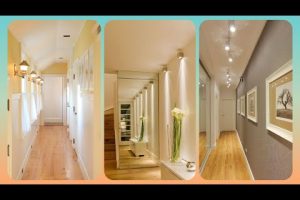
Wall sconces have evolved dramatically from simple candle-style holders into bold design features. Today, you will find sculptural sconces in materials like blackened steel, hand-blown glass, and even woven rattan. They are perfect for hallways, bedside walls, and bathrooms where they provide directional light while adding visual depth to flat surfaces.

Architectural and Linear Pendant Lights
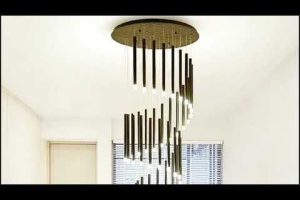
Linear pendant fixtures — also known as multi-light pendants or suspension bars — are increasingly popular in open-plan kitchens, dining areas, and commercial lofts. They consist of multiple lights arranged along a single bar or track, offering both targeted task lighting and a bold decorative presence. These fixtures work exceptionally well over long countertops, dining tables, and seating areas.
Floor Lamps and Table Lamps as Decorative Pieces
While often overlooked in conversations about decorative fixtures, designer floor lamps and sculptural table lamps deserve a prominent place. A brass arc floor lamp can define a reading corner, and a ceramic or marble lamp can anchor a bedside or console table as a curated accent object.
How to Choose the Right Decorative Light Fixture for Your Space
Selecting the perfect fixture involves balancing several factors beyond just style preference. Here is a step-by-step decision framework to guide you.

- Assess the Room’s Purpose and Lighting Needs. A kitchen requires bright, functional light, while a living room might prioritize layered ambiance with dimmable warm tones.
- Consider the Ceiling Height. Low ceilings call for flush-mount or semi-flush fixtures to prevent a cramped feeling, while high ceilings can accommodate dramatic chandelier drops.
- Match the Fixture to Your Decor Style. A contemporary fixture in a traditional room will feel out of place, and vice versa. Pull color palettes, materials, and proportions from your existing furniture and finishes.
- Think About Bulb Type and Warmth. LED bulbs with tunable color temperatures (2700K for warm, 3000K for neutral) allow you to shift the mood throughout the day.
- Plan for Scale and Proportion. A tiny fixture in a large room disappears, while an oversized fixture in a small room feels oppressive. Use a lighting designer or online sizing calculator if you are unsure.
Material and Finish Comparison for Decorative Fixtures
The material and finish of a light fixture influence everything from its durability to how it interacts with your room’s color scheme and natural light. Below is a comparison of the most popular options:
| Material | Best For | Style Profile | Maintenance Level |
| Brass / Gold | Warm traditional and transitional interiors | Luxurious, timeless | Low — occasional polishing |
| Matte Black | Modern, industrial, and Scandinavian spaces | Bold, understated | Very low — hides fingerprints |
| Hand-Blown Glass | Artistic and bohemian interiors | Organic, artisanal | Moderate — dusting required |
| Woven Rattan / Wicker | Boho, coastal, and tropical rooms | Textured, relaxed | Moderate — vacuum gently |
| Chrome / Polished Nickel | Contemporary and high-gloss modern spaces | Sleek, reflective | Low — wipes clean easily |
| Cast Iron / Wrought Iron | Industrial, rustic, and farmhouse interiors | Rugged, vintage | Moderate — occasional repainting |
Pro tip: If you are mixing metals in a room, choose two to three complementary finishes and repeat them across fixtures, hardware, and furniture to create visual cohesion rather than chaos.
Installation Tips and Best Practices
Proper installation is critical for both safety and the visual impact of your decorative fixture. Even the most beautiful piece will underperform if mounted incorrectly.
- Always turn off the power at the circuit breaker before beginning any electrical work. Use a voltage tester to confirm the line is dead.
- Use a ceiling fan-rated electrical box for any fixture weighing more than 50 pounds. Standard old-work boxes may not support the weight of a large chandelier.
- Consider hiring a licensed electrician for fixtures that require new wiring, a switch upgrade, or integration with smart home systems.
- Don’t forget about dimmer switches. Dimming capacity dramatically changes the versatility of decorative fixtures. Install a compatible dimmer to unlock mood-lighting functionality.
- Mount fixtures at the correct height. Dining pendants should hang approximately 30 to 36 inches above the table surface. In hallways, maintain 7 feet of clearance from the floor.
Caring for and Maintaining Decorative Light Fixtures
Decorative fixtures are an investment, and proper maintenance preserves their beauty and performance over time. Dust crystalline chandeliers with a soft microfiber cloth or a specialized crystal duster every two weeks. For glass and metal fixtures, a gentle wipe with a mild glass cleaner keeps them looking polished. Woven fixtures benefit from occasional vacuuming with a brush attachment. Avoid abrasive chemical cleaners on hand-finished metals like aged brass or patina bronze, as these will strip the finish irreversibly.
Emerging Trends in Decorative Lighting Design
The decorative lighting landscape is evolving rapidly. Here are the trends gaining the most traction among interior designers and homeowners in 2024 and beyond:
- Organic and Curvilinear Forms. Sculptural fixtures inspired by nature — think flowing lines, leaf-shaped shades, and asymmetrical silhouettes — are dominating high-end interiors.
- Smart and Connected Lighting. Fixtures integrated with systems like Philips Hue, Lutron, and Kasa allow users to control brightness, color temperature, and even light animation through smartphone apps or voice commands.
- Sustainable and Vintage Materials. Reclaimed wood, recycled glass, and upcycled industrial components are increasingly featured in designer collections, appealing to eco-conscious buyers.
- Layered Lighting Design. Rather than relying on a single overhead fixture, designers are combining pendants, wall sconces, cove lighting, and natural daylight to create rich, dimensional illumination in every room.
Common Mistakes to Avoid When Selecting Decorative Fixtures
Even experienced homeowners can stumble when shopping for decorative lighting. Here are some pitfalls to sidestep:
- Buying purely online without seeing the fixture in person. Photos often flatten proportions and distort colors. Visit showrooms when possible.
- Ignoring the room’s natural light. A dark room needs a fixture that emits brighter, more diffused light than a well-lit space with large windows.
- Choosing style over function. A beautiful fixture that cannot be dimmed or provides insufficient light for its intended task will lead to frustration.
- Neglecting the fixture’s scale relative to furniture. A pendant over a narrow table looks disproportionate if the shade diameter exceeds the tabletop width.
Final Thoughts on Decorative Light Fixtures
Decorative light fixtures are far more than afterthoughts in interior design — they are the finishing touch that ties a room together, sets its mood, and reflects the personality of the people who live within it. From grand chandeliers to minimalist sculptural pendants, there has never been a wider variety of beautiful, high-quality lighting available to homeowners and designers alike. By understanding the types, materials, installation basics, and current trends, you are now equipped to make lighting choices that are both visually stunning and practically sound. Invest in pieces that speak to you, light them thoughtfully, and let your fixtures do what they do best: transform a house into a home.
Frequently Asked Questions About Decorative Light Fixtures
1. What is the difference between a decorative light fixture and a standard ceiling light?
A decorative light fixture emphasizes aesthetic design, craftsmanship, and visual impact, often serving as a room’s focal point. Standard ceiling lights prioritize uniform, functional illumination with minimal stylistic consideration. While the two categories overlap, decorative fixtures typically feature unique materials, intricate detailing, or sculptural forms that go beyond simple utility.
2. How do I know what size decorative fixture will fit my room?
For chandeliers and pendants, use the room-length-plus-width formula: add the room dimensions in feet and convert to inches for the fixture diameter. For wall sconces, aim for a height between 60 and 66 inches from the floor, and space them approximately 3 feet apart along a hallway or wall.
3. Can decorative light fixtures be used in bathrooms and other wet areas?
Yes, but you must select fixtures rated for damp or wet locations depending on proximity to water sources. Look for enclosures rated UL damp-rated for areas near showers and sinks, and UL wet-rated for fully exposed outdoor installations. Always check the fixture’s listing and installation instructions before mounting in moisture-prone spaces.
4. What type of bulbs work best with decorative light fixtures?
LED filaments and Edison-style bulbs are popular choices for decorative fixtures because they add a warm, vintage aesthetic while delivering excellent energy efficiency. For a more modern look, opt for clear or frosted LED bulbs with a consistent light output. Always verify the maximum recommended wattage and bulb base type listed on the fixture before purchasing bulbs.
5. Are smart decorative light fixtures worth the investment?
Absolutely. Smart decorative fixtures allow you to adjust brightness, color temperature, and even light color through an app or voice assistant. This level of control is especially valuable in living rooms and bedrooms, where lighting needs shift throughout the day. Many smart fixtures integrate seamlessly with existing smart home platforms like Google Home, Amazon Alexa, and Apple HomeKit.