


When it comes to creating professional-quality content—whether you are shooting video, streaming live, capturing photography, or recording podcasts—the right LED lights for studio use can make or break your output. Gone are the days when bulky tungsten fixtures and overheating fluorescent panels dominated production spaces. Today, LED studio lighting has become the undisputed standard for creators who demand precise color control, energy efficiency, and versatility without breaking the bank. But with hundreds of options flooding the market, choosing the best LED lights for your studio setup requires more than just grabbing the brightest panel you can find. This guide dives deep into everything you need to know about selecting, setting up, and optimizing LED studio lighting for stunning, broadcast-ready results.
Why LED Lights Have Become the Gold Standard for Studio Work
LED technology has fundamentally transformed how studios approach lighting. Unlike traditional incandescent bulbs that waste enormous amounts of energy as heat, LED lights for studio environments convert nearly all their power into usable light. This means cooler operating temperatures, safer working conditions, and dramatically lower electricity bills over time. But the advantages go far beyond energy savings.
Color accuracy is arguably the biggest reason professionals choose LED. Modern studio LEDs offer high Color Rendering Index (CRI) scores—typically 95 or above—which means colors appear true-to-life on camera. For video producers, photographers, and content creators, this translates to skin tones that look natural, product shots that pop with accurate detail, and footage that requires minimal color correction in post-production. Many premium LED panels now offer full-spectrum light output that rivals natural daylight, making them ideal for color-critical work.
Adjustability is another game-changer. Unlike fixed-output studio strobes, LED lights allow you to dim smoothly from 0 to 100 percent, change color temperature from warm amber to cool daylight, and in many cases, shift through the entire RGB color spectrum. This continuous adjustability means you can fine-tune your lighting setup on the fly, matching the mood of your scene without swapping bulbs or gels.
Types of LED Lights for Studio Environments
Understanding the different categories of LED studio lighting helps you match the right tool to your specific creative needs. Here is a breakdown of the most common types:
Continuous LED Panels
LED panels are the workhorses of modern studios. They come in square or rectangular shapes, typically ranging from 12 inches to 36 inches, and offer powerful, even light output with minimal flicker. These panels mount easily on light stands or boom arms and can be fitted with diffusers for softer, more flattering illumination. They are ideal for two-point lighting setups, interview setups, and product photography.
LED Tubes and Strip Lights
Tubular LED fixtures, inspired by traditional fluorescent tubes, provide broad, wraparound ambient light. They are commonly used for background washes, ceiling-mounted studio grids, and accent lighting. LED strips, meanwhile, offer ultimate flexibility for creative setups—behind monitors, along set edges, or as practical set lighting for adding color and depth to a scene.
LED Softboxes and Ring Lights
Softboxes diffuse LED light through a fabric panel, creating a large, even light source that wraps around subjects beautifully. They are essential for portrait and beauty work. Ring lights, shaped as circular panels that surround the camera lens, produce distinctive circular catchlights in the eyes and are hugely popular for beauty tutorials, vlogging, and close-up product shots.
Key Features to Evaluate When Choosing LED Studio Lights

Not all LED lights are created equal. Before making a purchase, evaluate these critical specifications:
- CRI and TLCI Ratings: CRI (Color Rendering Index) measures how accurately light renders colors compared to natural sunlight. A CRI of 95 or higher is essential for professional studio work. TLCI (Television Lighting Consistency Index) is specifically designed for video production and is equally important.
- Color Temperature Range: Look for LEDs that cover at least 2700K (warm) to 6500K (daylight). Bi-color and full-color RGB fixtures offer even wider ranges, giving you creative freedom.
- Dimming Flicker-Free Operation: Cheap LEDs flicker at certain dimming levels, creating banding artifacts on video. Studio-grade LEDs use advanced drivers to ensure flicker-free dimming at every level.
- Power Output and Efficiency: Check the wattage and lumens output. Higher lumens per watt means more light with less energy consumption. For a small studio, 50 to 150 watts per fixture is typically sufficient.
- Build Quality and Mounting Options: Honeycomb louvers, barn doors, mounting brackets, and lightweight but durable construction all contribute to practical usability in a studio environment.
Comparison Table: Top LED Studio Lighting Categories
| Category | Best For | Typical Power Range | Price Range |
| Continuous LED Panels | Key/fill lighting, interviews, video production | 30W – 150W per panel | $100 – $600 |
| LED Tubes | Ambient wash, background lighting, large spaces | 20W – 80W per tube | $50 – $300 |
| LED Softboxes | Portraits, beauty, close-up product work | 40W – 120W per unit | $150 – $500 |
| Ring Lights | Vlogging, beauty shots, overhead product detail | 10W – 60W | $30 – $250 |
| RGB LED Fixtures | Creative/color lighting, set design, mood lighting | 20W – 100W per unit | $80 – $400 |
Expert Tips for Setting Up LED Studio Lighting
Even the best LED lights for studio work will underperform if your setup lacks intention. Here are practical recommendations from experienced lighting professionals:
- Start with a three-point lighting configuration. Use one key light at a 45-degree angle to your subject, a fill light on the opposite side to reduce harsh shadows, and a backlight or hair light to separate your subject from the background. This classic setup works for nearly every studio application.
- Use diffusion strategically. Even high-quality LED panels can produce hard shadows without diffusion. Attach softboxes, diffusion fabric, or even a simple shower curtain to soften the light and create more natural-looking illumination.
- Match your color temperatures across all fixtures. Mixing 3200K and 5600K light sources in the same frame creates inconsistent color casts that are difficult to fix in editing. Set all your LED lights to the same color temperature before shooting.
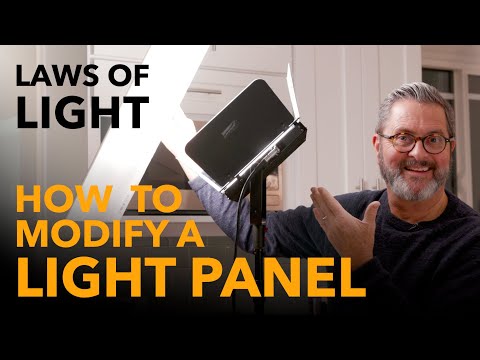
- Control spill light. Use barn doors, snoots, or flags to direct light precisely where you want it. LED panels without modifiers will scatter light everywhere, reducing contrast and visual impact in your footage.
- Invest in a quality light stand and sandbag. LED panels can topple if not properly secured, especially taller stands. Always use sandbags or counterweights for safety.
- Test with your actual camera settings. Every camera sensor responds differently to LED light. Do a test shoot with your specific camera and lens combination before committing to a full studio setup.
Common Mistakes to Avoid with Studio LED Lighting
Even experienced creators occasionally fall into these traps. Avoid these common mistakes to get the most out of your LED studio lights:
- Over-lighting your scene. More light does not always mean better results. Overly bright setups flatten dimension, wash out skin tones, and create an unnatural look. Start low and add light gradually until you achieve the desired exposure.
- Ignoring ambient light in the room. Windows, ceiling fixtures, and even monitor glow can interfere with your LED setup. Control ambient light by using blackout curtains and turning off unnecessary overhead lights.
- Skipping the white balance step. Even with high-CRI LEDs, always set your camera’s white balance manually based on your LED color temperature setting. Auto white balance can shift mid-shoot, ruining consistency.
- Choosing brightness over build quality. A $30 LED panel may look impressive on paper but could lack flicker-free dimming, accurate color rendering, or durable construction. Prioritize quality over quantity.

Frequently Asked Questions About LED Lights for Studio Use
What LED lights are best for video studio recording?
Continuous LED panels with high CRI (95+) and flicker-free dimming are the best choice for video studio recording. Look for bi-color fixtures that allow you to adjust between 3200K and 5600K, as this flexibility lets you match your lighting to the mood and aesthetic of each scene. Popular options include brands like Aputure, Godox, and Nanlite, which offer panels with built-in wireless controls, app integration, and Bowens mount compatibility for accessories.
How many watts of LED light do I need for a small studio?
For a small studio space of around 100 to 200 square feet, two to three LED panels rated between 50 and 150 watts each typically provide sufficient coverage. Start with one key light at the higher wattage and supplement with a fill light and a backlight. If you are also doing product photography or streaming, add an LED tube or softbox for background or accent lighting. The key is balancing coverage with control—too many fixtures without modifiers create flat, uninteresting light.
Is it worth investing in RGB LED lights for a studio?
RGB LED lights are absolutely worth the investment if your studio work involves creative content, mood lighting, or color-matched environments. Unlike standard bi-color fixtures, RGB LEDs can produce millions of color combinations, making them invaluable for music videos, social media content, gaming streams, and artistic photography. However, if your primary focus is documentary-style or product video with neutral lighting, a set of high-quality bi-color panels will deliver better value and performance.
Do LED studio lights cause eye strain during long sessions?
High-quality studio LED lights should not cause eye strain, but cheap or poorly designed fixtures can. Flicker at high frequencies—imperceptible to the naked eye but detectable by cameras—can contribute to fatigue over long sessions. Always choose LED lights that advertise flicker-free operation and maintain stable brightness at all dimming levels. Additionally, using diffusers and avoiding direct exposure to bare LED diodes reduces glare and makes extended studio sessions far more comfortable.
Can I use LED lights for both photography and video in my studio?
Yes, modern LED studio lights are designed to work equally well for both photography and video. The key is ensuring your fixtures have high CRI (95+), flicker-free operation, and consistent color temperature across the dimming range. Continuous LED lights eliminate the need for flash synchronization, allowing you to see lighting effects in real time—making them a versatile investment that serves dual purposes without compromise.
Conclusion: Investing in the Right LED Lights for Your Studio
Selecting the right LED lights for your studio is one of the most impactful decisions you can make as a creator. The combination of color accuracy, energy efficiency, adjustability, and longevity makes LED studio lighting the clear choice for anyone serious about producing professional content. Start by identifying your primary use case—whether that is video production, photography, streaming, or a blend of all three—and build your lighting setup around that foundation. Prioritize high CRI, flicker-free dimming, and versatile color temperature ranges, and never underestimate the power of proper diffusion and light placement. With the right LED studio lights and a thoughtful setup, you will be well on your way to creating content that looks polished, professional, and visually compelling every single time you hit record.