


Smart home technology has transformed the way we interact with our living spaces, and the humble light bulb is no exception. Among the most accessible and affordable smart lighting solutions available today, the Bluetooth light bulb stands out as a go-to option for homeowners, renters, and tech enthusiasts alike. Unlike Wi-Fi-dependent smart bulbs that require a router and hub, Bluetooth-enabled LED bulbs connect directly to your smartphone or tablet, offering a surprisingly powerful and convenient way to control your lighting without complicated installations. Whether you want to dim the lights for a movie night, set a color palette for a dinner party, or automate your daily routine, understanding how Bluetooth smart bulbs work and what they can do is the first step toward a more connected home.
What Is a Bluetooth Light Bulb?
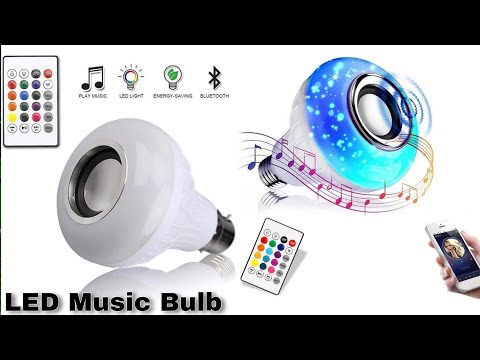
A Bluetooth light bulb is a smart LED bulb that uses Bluetooth wireless technology — specifically Bluetooth Low Energy (BLE) — to connect with a mobile device or a compatible smart speaker. Instead of relying on your home’s Wi-Fi network, these bulbs form a personal area network that typically operates within a range of about 30 to 50 feet. You control them using a dedicated app on your phone or tablet, and many models also integrate with voice assistants like Google Assistant, Amazon Alexa, or Apple Siri through your phone’s built-in processing. This makes Bluetooth smart bulbs an excellent entry point for anyone dipping their toes into the smart home ecosystem.
What makes these bulbs especially appealing is their simplicity. There is no need for a separate hub or bridge — no additional hardware cluttering your space or consuming power. You simply screw in the bulb, download the companion app, pair the device, and you are ready to go. For apartment dwellers, small homes, or single rooms, this plug-and-play approach is incredibly practical and cost-effective.
How Do Bluetooth Smart Bulbs Work?
Inside every Bluetooth light bulb, you will find a small Bluetooth chip and antenna alongside the LED components. When you power on the bulb, it broadcasts a Bluetooth signal that your smartphone or tablet can detect. The companion app — such as Philips Hue Bluetooth, Sengled, or Wyze — acts as the bridge between you and the bulb, translating your taps and voice commands into instructions the bulb understands.
Here is a simplified breakdown of the process:
- The bulb powers on and enters pairing mode, broadcasting its Bluetooth signal.
- Your phone or tablet detects the bulb through the companion app.
- You tap “Pair” and a secure Bluetooth connection is established.
- You can now control brightness, color temperature, color, and scheduling directly from the app.
- For voice control, the app routes your commands through a connected smart speaker that supports the same protocol.
One important detail to note is that Bluetooth mesh networking is becoming increasingly common in newer models. In a mesh setup, each Bluetooth bulb can relay signals to other bulbs in the chain, effectively extending the range and allowing group control of multiple fixtures from a single device. This is a significant upgrade over basic point-to-point Bluetooth connections and brings these bulbs closer in capability to hub-based systems like Zigbee or Z-Wave.
Key Benefits of Bluetooth Light Bulbs
Before diving into the market, it helps to understand the core advantages that make Bluetooth-controlled bulbs a compelling choice.
- No hub required: You do not need to purchase or configure a separate bridge, saving both money and setup time.
- Low energy consumption: Bluetooth Low Energy (BLE) draws minimal power, which contributes to the overall energy efficiency of the bulb.
- Easy installation: Screw it in, download the app, and pair. That is it.
- Privacy-friendly: Because the connection is local and does not route through cloud servers constantly, you have greater control over your data.
- Portability: Take the bulb and your phone anywhere — the connection stays intact as long as both devices are in range.
- Cost-effective: Bluetooth smart bulbs are generally more affordable than their Zigbee or Wi-Fi counterparts.
Limitations to Keep in Mind

Bluetooth bulbs do have some drawbacks that are worth understanding before you buy. The most significant is range — a standard Bluetooth connection typically maxes out around 30 to 50 feet, which can be limiting for larger homes or multi-room setups. Additionally, Bluetooth bulbs generally cannot be controlled remotely when you are outside the Bluetooth range (such as at work or on vacation), unless the app routes commands through a compatible smart speaker or bridge. Finally, the number of devices you can connect simultaneously may be limited compared to a hub-based system.
Bluetooth Light Bulb vs WiFi Smart Bulb: A Comparison
When choosing between Bluetooth and Wi-Fi smart bulbs, the decision comes down to your specific needs, home setup, and budget. Here is a detailed comparison to help you decide:
| Feature | Bluetooth Smart Bulb | Wi-Fi Smart Bulb |
| Connection Type | Bluetooth Low Energy (BLE) | Wi-Fi (2.4 GHz) |
| Range | 30–50 feet | Depends on router coverage |
| Hub Required | No | No |
| Remote Access | Limited (unless paired with a smart speaker) | Yes, from anywhere with internet |
| Setup Complexity | Very simple | Moderate (Wi-Fi credentials required) |
| Network Load | Minimal — no router load | Each bulb uses a Wi-Fi connection |
| Typical Price | $8–$20 per bulb | $10–$30 per bulb |
| Voice Assistant Support | Often via phone relay | Direct integration |
| Scalability | Limited in large homes | Scales well with mesh routers |
As the table illustrates, Bluetooth bulbs excel in simplicity and low network overhead, while Wi-Fi bulbs offer the convenience of true remote access. For a single room or a small apartment, Bluetooth is often the smarter choice. For a whole-house installation, you may want to consider Wi-Fi bulbs or a hub-based ecosystem.
Top Features to Look For in a Bluetooth Light Bulb
Not all Bluetooth smart bulbs are created equal. When shopping, pay attention to the following specifications and features to ensure you get the best value:
- Color vs. Tunable White: Decide whether you need full RGB color capabilities or simply adjustable white temperature. Color bulbs offer more versatility but cost more.
- Brightness (Lumens): Look for bulbs rated between 800 and 1,600 lumens for general room lighting. Higher lumens are better for task lighting and larger spaces.
- Dimmability: Ensure the bulb supports smooth dimming without flickering, especially if you plan to use it in a bedroom or living room.
- App Compatibility: Check that the companion app is available for both iOS and Android and has a clean, intuitive interface.
- Voice Assistant Integration: Verify support for Alexa, Google Assistant, or Siri — even if it routes through your phone as a relay.
- Bluetooth Mesh Support: This feature allows multiple bulbs to communicate with each other, extending range and enabling group control.
- Scheduling and Scenes: Look for apps that allow you to set automated schedules, sunrise/sunset routines, and custom lighting scenes.
- Energy Efficiency: Check the wattage and estimated annual energy cost. Most Bluetooth LED bulbs use between 6 and 9 watts while replacing a 60-watt incandescent.
Best Bluetooth Light Bulbs Worth Considering
The market for Bluetooth smart bulbs has matured significantly, and several brands have established strong reputations for quality and reliability. The Philips Hue Bluetooth bulbs remain a top choice for their excellent app experience, wide color range, and seamless integration with other Hue products. Sengled offers budget-friendly options that deliver solid performance without unnecessary frills. Wyze Bulb color is another standout for its affordable price point, impressive app interface, and Alexa and Google Assistant support right out of the box. For those who want a larger mesh network, IKEA’s Trådfri Bluetooth bulbs provide an excellent balance of quality and price with robust scheduling features built into their app.
When selecting a bulb, also consider the base type — most smart bulbs use the standard E26 screw base in the United States, but always double-check compatibility with your existing fixtures, especially for enclosed sconces or outdoor-rated fixtures where heat dissipation matters.
Practical Setup and Expert Tips
Getting your Bluetooth light bulb up and running is straightforward, but a few expert tips can significantly improve your experience. First, always place your phone close to the bulb during the initial pairing process to ensure a strong initial connection. After pairing, you can move freely within range. Second, if you are using Bluetooth mesh bulbs, position them within about 10–15 feet of each other for the most reliable signal relay. Third, keep your companion app updated — manufacturers regularly release firmware updates that improve performance, add features, and patch security vulnerabilities.
For the best experience with voice control, consider keeping your phone in a central location in your home so that the Bluetooth smart speaker can communicate with the app reliably. If you notice connectivity issues, try resetting the bulb by turning it off and on three times rapidly — this is a common reset method for most Bluetooth bulb models and resolves most pairing glitches.
Frequently Asked Questions
Can I use a Bluetooth light bulb without Wi-Fi in my home? Yes, absolutely. Bluetooth smart bulbs connect directly to your phone via Bluetooth Low Energy and do not require a Wi-Fi network for local control. You can adjust brightness, change colors, and set schedules entirely offline as long as your phone is within Bluetooth range of the bulb.
What is the effective range of a Bluetooth light bulb? Most Bluetooth light bulbs have an effective range of 30 to 50 feet in open space. Walls, furniture, and other obstacles can reduce this range. Bluetooth mesh networking in newer models extends coverage significantly by allowing bulbs to relay signals to one another.
Can I control Bluetooth bulbs when I am away from home? Standard Bluetooth bulbs cannot be controlled remotely outside of Bluetooth range. However, if the bulb is paired with a smart speaker that has internet access, you may be able to issue commands remotely through the speaker’s cloud connectivity. Some manufacturers also offer optional bridges that enable remote access.
Are Bluetooth light bulbs secure and private? Bluetooth smart bulbs generally offer a high level of privacy since they communicate locally and do not constantly send data to cloud servers. Bluetooth connections use encryption protocols that protect the data transmitted between your device and the bulb. That said, always download apps from official stores and keep them updated for the best security practices.
Do Bluetooth smart bulbs work with Apple HomeKit or Google Home? Many Bluetooth smart bulbs do support integration with Apple HomeKit and Google Home, but the method varies. Some bulbs connect directly, while others require the phone to act as a relay or need an optional bridge. Always check the product specifications before purchasing if smart assistant compatibility is a priority.
How long do Bluetooth LED light bulbs typically last? Most Bluetooth LED bulbs are rated for approximately 15,000 to 25,000 hours of use, which translates to roughly 10 to 15 years of average household usage (about 3 hours per day). The Bluetooth chip itself does not significantly affect the bulb’s lifespan, as it draws very little power and generates minimal heat.
Final Thoughts
The Bluetooth light bulb represents one of the most practical and accessible ways to bring smart lighting into your home. It eliminates the complexity of hubs, bridges, and router configurations, offering a streamlined experience that works out of the box. Whether you are a first-time smart home user looking for a simple upgrade or a tech enthusiast building a connected living space, Bluetooth smart bulbs deliver impressive functionality at a price point that is hard to beat. As Bluetooth mesh technology continues to evolve, these bulbs are only getting more capable — with longer ranges, more reliable connections, and deeper integration with the broader smart home ecosystem. The bottom line is clear: if you want smart lighting without the hassle, a Bluetooth light bulb is one of the smartest investments you can make for your home.