


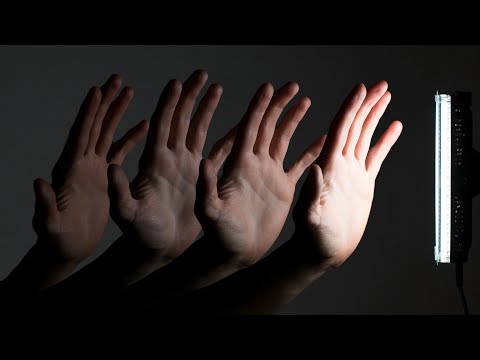
Lighting is one of the most powerful yet often overlooked elements in any interior space. Whether you are remodeling a home, designing a commercial establishment, or simply looking to refresh a room, understanding the different kinds of lighting can completely transform how a space feels, functions, and looks. From the soft glow of ambient fixtures to the precision of task lighting, every type serves a distinct purpose and contributes to the overall atmosphere. In this comprehensive guide, we will explore every major category of lighting, compare their uses, and give you practical expert tips to make smarter choices for your space.
Understanding the Different Types of Lighting
Before diving into specifics, it is essential to understand that lighting design is not about picking a single fixture. Professional interior designers and lighting architects rely on layering multiple light sources to create depth, balance, and functionality. The four primary categories — ambient, task, accent, and decorative lighting — each play a unique role in how we experience a room. Think of them as instruments in an orchestra; individually they each produce a sound, but together they create harmony.
When most people think about illuminating a space, they focus only on brightness. However, the best lighting plans account for color temperature, beam angle, placement height, and the purpose of the room. A kitchen needs fundamentally different lighting than a bedroom, and a retail store has entirely different requirements than a home office. Understanding these distinctions is the first step toward mastering illumination in any environment.
Ambient Lighting: The Foundation of Every Space
Ambient lighting, also known as general lighting, is the foundational layer that provides uniform illumination throughout a room. It is the light you notice first when you walk into a space, and it eliminates darkness so you can move safely and comfortably. Without ambient lighting, a room feels incomplete, harsh, or unwelcoming.
The key characteristic of ambient lighting is that it casts a soft, even glow without creating harsh shadows or glare. It sets the overall mood and brightness level of a room, making it the starting point for every lighting design plan.
Common Ambient Lighting Fixtures
There are numerous ways to achieve ambient lighting, and the best choice depends on your room size, ceiling height, and personal style preferences:
- Ceiling-mounted fixtures: Chandeliers, flush mount lights, and semi-flush mounts are classic ambient lighting choices that provide broad, even illumination across an entire room.
- Recessed downlights: Also called can lights or pot lights, these are installed into the ceiling and deliver a clean, modern look while distributing light evenly downward.
- Track lighting: A flexible option where fixtures are mounted on a track, allowing you to adjust the direction of individual lights to cover wider areas.
- Wall sconces: These upward-facing fixtures bounce light off the ceiling, creating a soft, diffused ambient glow that feels warm and inviting.
- Floor lamps: Standing lamps placed in corners or beside furniture can serve as excellent ambient light sources, especially in living rooms and bedrooms.
Expert tip: Always layer your ambient lighting with dimmer switches. This gives you the flexibility to adjust brightness based on the time of day, the activity taking place, and the mood you want to create.
Task Lighting for Focused Work and Productivity
Task lighting is all about functionality. Unlike ambient lighting, which provides general illumination, task lighting is concentrated and directed toward specific work areas where visual precision is required. Think of reading desks, kitchen countertops, study tables, and craft stations. These are all spaces where proper task lighting reduces eye strain, improves accuracy, and boosts productivity.
The defining feature of effective task lighting is its intensity and directionality. A well-placed task light delivers bright, focused illumination exactly where you need it without flooding the entire room with harsh light. This targeted approach is what separates a well-designed space from one that simply has overhead bulbs turned on.
Comparing Task Lighting Options
| Fixture Type | Best For | Brightness Level | Style |
| Desk lamp | Home office, study areas | High and adjustable | Modern, industrial, classic |
| Under-cabinet lights | Kitchen prep areas | Medium-high, focused | Sleek, minimalist |
| Pendant light | Dining tables, islands | Medium, directed | Decorative, contemporary |
| Clip-on reading light | Bedside reading | High, adjustable beam | Compact, versatile |
| LED strip lights | Workshops, garages | High, even spread | Modern, discreet |
One of the most common mistakes people make is relying solely on overhead room lighting for task work. An overhead fixture can cast shadows across your workspace, making it difficult to read, write, or perform detailed tasks. Adding a dedicated task light — such as an adjustable desk lamp or under-cabinet LED strips — solves this problem instantly and dramatically improves comfort.

Accent Lighting: Adding Depth and Drama
If ambient lighting is the foundation and task lighting is the workhorse, accent lighting is the artist’s brush. Accent lighting is used to highlight specific features, objects, or architectural elements within a room. It creates visual interest, draws the eye, and adds a sense of depth and dimension that flat, uniform lighting simply cannot achieve.
The primary purpose of accent lighting is to create contrast. By illuminating certain areas more brightly than their surroundings, you guide the viewer’s attention and create a sense of hierarchy within the space. This is the same principle used in museums and galleries, where carefully positioned spotlights showcase artwork and artifacts.
Popular Accent Lighting Techniques
- Wall washing: Lights placed on the floor or a low shelf aim upward to evenly illuminate a textured wall, highlighting architectural details like brick, stone, or paneling.
- Wall grazing: Similar to wall washing but positioned closer to the wall to emphasize texture and create dramatic shadow patterns on rough surfaces.
- Spotlighting: Adjustable track lights or recessed spotlights direct a focused beam toward a painting, sculpture, or architectural feature.
- Uplighting: Floor lamps or base-mounted fixtures direct light upward to create an expansive, dramatic effect that makes ceilings appear taller.
- Silhouette lighting: A light source placed behind an object creates a striking silhouette effect, often used in retail displays and art installations.
Expert tip: When installing accent lights, aim for a ratio of about 3:1 between the accent light and the ambient light. This ensures the highlighted area stands out without looking unnatural or jarring.
Decorative Lighting as a Design Statement
Decorative lighting serves a dual purpose — it illuminates a space while simultaneously acting as a piece of art or a focal point in the room. These fixtures are chosen as much for their aesthetic appeal as for their light output. Unlike purely functional lights, decorative lighting fixtures are designed to be seen and admired, often becoming the centerpiece of a room’s design scheme.
From ornate crystal chandeliers in formal dining rooms to minimalist pendant lights in modern lofts, decorative lighting reflects personal style and sets the tone for the entire space. The beauty of decorative lighting is that it can fulfill one or more lighting layers simultaneously, combining ambient, task, or even accent functions within a single visually striking fixture.
Popular Decorative Lighting Styles
- Crystal chandeliers: Timeless and elegant, these fixtures scatter light through faceted crystals, creating dazzling reflections and a sense of luxury.
- Pendant clusters: Grouped pendant lights of varying heights add visual drama and work beautifully over kitchen islands or dining tables.
- Filament bulb fixtures: Edison-style bulbs with exposed filaments offer a warm, vintage aesthetic that complements industrial and farmhouse interiors.
- Sculptural floor lamps: These function as both a light source and a conversation piece, often featuring unique shapes and bold materials.
- Smart LED strips: While functional, these can be installed behind furniture or in architectural recesses to create ambient glow that doubles as decoration.
Natural Lighting: Harnessing the Sun
No discussion of lighting types is complete without addressing natural light, which remains the most powerful and cost-free illumination source available. Sunlight not only brightens a space but also influences our circadian rhythms, mood, and overall well-being. Studies consistently show that spaces with ample natural light improve productivity, reduce stress, and enhance the perception of room size.
Maximizing natural light involves more than just installing large windows. The placement, size, and orientation of windows, skylights, light tubes, and clerestory windows all affect how sunlight enters and distributes throughout a space. Reflective surfaces like mirrors, light-colored walls, and glossy floors can amplify natural light, reducing the need for artificial sources during daylight hours.
However, natural lighting comes with challenges. Uncontrolled sunlight can cause glare, fade furniture and flooring, and create uneven brightness throughout the day. Using sheer curtains, blinds, or smart tinting films allows you to modulate natural light effectively, combining its benefits with the control of artificial lighting systems.
How to Choose the Right Lighting for Each Room
Selecting the appropriate lighting for each room requires considering the room’s function, size, natural light availability, and the overall design aesthetic. Here is a practical room-by-room breakdown to guide your decisions:
Room-by-Room Lighting Guide
- Living room: Combine ambient ceiling lighting with floor lamps for warmth and table lamps for reading. Add accent lights to highlight artwork or architectural features.
- Kitchen: Use ambient recessed lighting for general illumination, under-cabinet task lights for food prep, and a pendant fixture over the island or dining area for both task and decorative purposes.
- Bedroom: Opt for soft ambient lighting with dimmable fixtures, bedside table lamps for reading, and avoid harsh overhead lights that can disrupt relaxation.
- Bathroom: Use vanity lights on either side of the mirror for even task illumination, complemented by ambient ceiling lights and potentially accent lights for visual interest.
- Home office: Prioritize task lighting with an adjustable desk lamp, supplement with ambient ceiling light, and consider bias lighting behind the monitor to reduce eye fatigue.
- Outdoor spaces: Use path lights, wall-mounted fixtures, and string lights to create ambiance while ensuring safety and visibility.
Lighting Color Temperature Explained
Color temperature, measured in Kelvin (K), determines whether a light source appears warm, neutral, or cool. This specification has a profound impact on the mood and functionality of a space, making it one of the most important factors to consider when selecting bulbs and fixtures.
| Temperature Range | Appearance | Best Used In |
| 2700K – 3000K | Warm white, cozy, yellowish | Bedrooms, living rooms, restaurants |
| 3500K – 4000K | Neutral white, balanced | Bathrooms, kitchens, offices |
| 5000K – 6500K | Cool white, bright, bluish | Workshops, garages, hospitals |
Matching the right color temperature to each room’s purpose is a simple yet impactful decision. A bedroom lit with 5000K cool white light will feel sterile and unsettling, while a workspace bathed in 2700K warm light may induce drowsiness. Always consider the psychological effects of color temperature when designing your lighting plan.
Energy-Efficient Lighting Solutions
Modern lighting technology has made it easier than ever to achieve beautiful illumination while reducing energy consumption. LED technology has revolutionized the industry, offering bulbs that use up to 80% less energy than traditional incandescent options and last up to 25 times longer. When upgrading your lighting, consider replacing all standard bulbs with LED alternatives and look for ENERGY STAR-rated fixtures that meet strict efficiency guidelines.
Smart lighting systems add another layer of efficiency by allowing you to schedule, dim, and control lights remotely through apps or voice assistants. Motion sensors and daylight harvesting systems further reduce waste by automatically adjusting illumination based on occupancy and available natural light.
Common Lighting Mistakes to Avoid
- Relying on a single overhead light source for the entire room
- Ignoring color temperature and using mismatched bulbs
- Placing all fixtures at the same height without layering
- Overlooking dimmer switches that limit flexibility
- Choosing fixtures based solely on appearance without considering light output
- Using too many recessed lights without spacing them properly
- Neglecting to plan lighting during the architectural or renovation phase
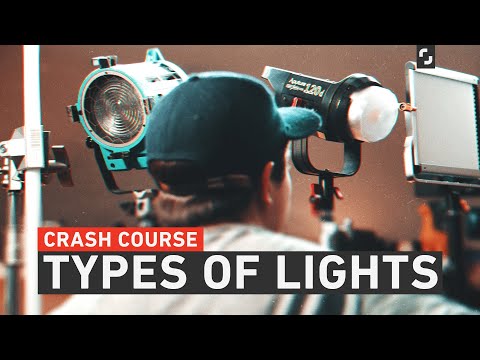
Conclusion
Mastering the different kinds of lighting is one of the most rewarding investments you can make in any space. By thoughtfully layering ambient, task, accent, and decorative lighting — while also factoring in natural light and color temperature — you create environments that are not only visually stunning but also highly functional and comfortable. Whether you are a homeowner tackling a DIY project or a designer crafting a professional interior, understanding these lighting categories gives you the knowledge to make informed, impactful decisions. Start with the room’s purpose, layer your light sources deliberately, and never underestimate the transformative power of well-planned illumination.
Frequently Asked Questions

What are the four main types of lighting used in interior design?
The four main types are ambient lighting, task lighting, accent lighting, and decorative lighting. Each serves a distinct purpose — ambient provides general illumination, task lighting supports focused work, accent lighting highlights features, and decorative lighting adds aesthetic value. A well-designed space typically layers all four types to achieve balance and functionality.
How do I choose the right color temperature for each room?
Choose warm tones between 2700K and 3000K for relaxing spaces like bedrooms and living rooms. Neutral white between 3500K and 4000K works well for kitchens, bathrooms, and offices where clarity matters. Cool white from 5000K to 6500K is best for task-heavy environments like workshops, garages, and medical spaces where alertness and precision are priorities.
Can I mix different types of lighting in the same room?
Absolutely, and in fact, you should. Layering multiple lighting types within a single room is the hallmark of professional interior lighting design. For example, combining recessed ambient lights, a pendant fixture over a dining table, a desk lamp for work, and LED strip accent lights behind a bookshelf creates a rich, dynamic, and functional space that adapts to different activities throughout the day.
What is the difference between LED and incandescent lighting?
LED bulbs use significantly less energy — typically 75% to 80% less than incandescent bulbs — and last substantially longer, often 15,000 to 50,000 hours compared to about 1,000 hours for incandescent. LEDs also emit less heat, are available in a wide range of color temperatures, and offer dimming compatibility, making them the superior choice for both residential and commercial lighting applications.
How many lights do I need per room for proper illumination?
A common guideline is to calculate the total lumens needed by multiplying the room’s square footage by the recommended foot-candles for that activity. For example, a 200-square-foot living room typically needs about 3,000 to 4,000 lumens from combined light sources. Rather than relying on one fixture, distribute this across multiple light sources at different heights and angles for even, layered illumination.