


When it comes to kitchen design, ceiling LED kitchen lights have become the undisputed gold standard for homeowners, interior designers, and contractors alike. The days of relying solely on a single overhead fluorescent panel are long gone. Today’s kitchens demand layered, energy-efficient, and visually stunning illumination that serves both functional and aesthetic purposes. Whether you are renovating a compact apartment galley kitchen or upgrading a sprawling open-concept culinary space, choosing the right ceiling-mounted LED lighting can completely transform the atmosphere, usability, and even the perceived square footage of your cooking area. In this comprehensive guide, we will explore every angle of kitchen ceiling LED lights — from types and placement strategies to buying considerations, expert tips, and frequently asked questions that will help you make the best decision for your space.
Why Ceiling LED Lights Are Transforming Modern Kitchens
LED technology has revolutionized residential lighting in ways that few innovations have in recent decades. Ceiling LED kitchen lights offer a combination of energy savings, longevity, design versatility, and superior light quality that older lighting technologies simply cannot match. According to industry research, LED fixtures consume up to 75% less energy than traditional incandescent bulbs and last approximately 25,000 to 50,000 hours, meaning you could go over a decade without needing a single replacement. Beyond the technical advantages, LEDs provide excellent color rendering, allowing your kitchen countertops, cabinetry, and backsplash materials to appear true to life under the right lighting conditions.
The shift toward ceiling-mounted LED solutions also reflects broader trends in kitchen architecture. Open-plan living spaces demand lighting that is both discreet and impactful, and recessed ceiling LED fixtures or sleek flush-mount designs deliver exactly that. Homeowners increasingly prioritize lighting that supports food preparation tasks, creates ambient mood, and highlights architectural features — all from the ceiling plane.
Types of Ceiling LED Kitchen Lights
Recessed LED Downlights
Recessed ceiling LED downlights, often called can lights or pot lights, are the most popular choice for modern kitchen renovations. These fixtures sit flush with the ceiling surface, housing the LED module inside a concealed housing. They provide focused, directional light that works exceptionally well for task lighting over countertops, islands, and dining bar areas. Recessed LED downlights come in various beam angles — narrow for accent highlighting and wide for general ambient coverage — making them incredibly versatile. They are ideal for kitchens with lower ceilings where a pendant fixture might feel oppressive.
Pendant LED Lights
Pendant LED lights hang from the ceiling on a rod, chain, or track and serve as both a light source and a decorative focal point. These fixtures are particularly effective over kitchen islands and breakfast bars, where they provide concentrated task illumination while anchoring the visual layout of the room. Modern pendant LED designs span an enormous range of styles — from minimalist geometric shapes and industrial exposed-bulb designs to sleek glass globes and sculptural artisan pieces. When selecting pendant LED kitchen lights, ensure the bottom of the fixture hangs approximately 30 to 36 inches above the countertop for optimal functionality and head clearance.
Track and Rail LED Systems
Track and rail LED lighting systems offer unmatched flexibility in kitchen illumination. These systems mount onto the ceiling and allow individual light heads to be repositioned, angled, and swapped as your lighting needs evolve. They are particularly valuable in kitchens where you want to highlight open shelving, artwork, or architectural details while maintaining general overhead brightness. Rail LED systems like those from brands such as WAC Lighting, Flexlight, and Halo provide a clean, integrated look that blends seamlessly with contemporary ceiling designs.
Flush Mount and Semi-Flush Mount LED Fixtures
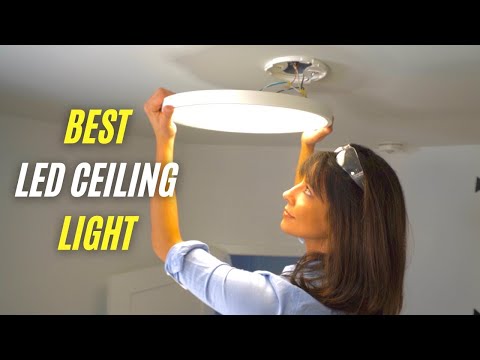
For kitchens with standard or low ceiling heights, flush mount and semi-flush mount LED fixtures are practical and stylish solutions. Flush mount lights sit directly against the ceiling, while semi-flush mount options hang slightly below, adding a subtle visual dimension. These fixtures distribute light broadly across the room and are excellent choices for ambient kitchen lighting. They are also significantly easier to install than recessed options, making them a favorite for DIY enthusiasts and budget-conscious homeowners.
How to Choose the Right Ceiling LED Light for Your Kitchen
Selecting the perfect ceiling LED kitchen light involves evaluating several critical factors beyond simply choosing a style you like. Here are the key considerations that will guide your decision:
- Ceiling Height and Room Size: Measure your kitchen dimensions carefully. Larger kitchens may require multiple fixtures or a combination of recessed and pendant lights, while smaller galley kitchens benefit from streamlined flush mount or semi-flush designs.
- Color Temperature: LED kitchen lights are available across the color temperature spectrum. For food preparation and cooking tasks, a color temperature between 3000K and 4000K (warm white to neutral white) is ideal. This range provides crisp, clear illumination without the harsh blue-white feel of 5000K+ options.
- CRI Rating (Color Rendering Index): Look for LED fixtures with a CRI of 90 or above. A high CRI ensures that the colors of your food, ingredients, and kitchen surfaces appear natural and vibrant under the light.
- Dimmability: Choose dimmable LED ceiling lights to adjust brightness throughout the day. Dimmable fixtures allow you to shift from bright task lighting during meal prep to soft ambient glow during evening entertaining.
- IP Rating for Moisture Protection: If your kitchen has a sink area or open layout near exterior walls, consider fixtures with appropriate IP ratings. IP44 or higher provides protection against moisture splashes, which is essential for kitchen environments.
LED Kitchen Lighting Layout Tips for Maximum Impact

A well-planned lighting layout elevates a kitchen from ordinary to extraordinary. Here are expert strategies for positioning your ceiling LED lights effectively:
- Layer your lighting: Combine ambient ceiling LED lights with under-cabinet task lighting and accent spotlights to create depth and dimension. A single ceiling fixture rarely provides sufficient illumination for a modern kitchen.
- Space recessed lights evenly: For general ambient coverage, position recessed LED downlights approximately 4 to 6 feet apart in a grid pattern across the ceiling. Adjust spacing based on the fixture’s beam angle and your ceiling height.
- Highlight the island: If your kitchen features an island, install pendant LED lights in a row or a linear arrangement. Three pendants spaced evenly above a standard 6-foot island is a widely recommended configuration.
- Use accent lighting strategically: Aim track heads or adjustable recessed LEDs at open shelving, wine displays, or textured backsplash walls to create visual interest and depth.
- Consider lighting controls: Smart LED ceiling lights compatible with systems like Lutron Caseta, Philips Hue, or Alexa enable voice control, scheduling, and scene presets — adding tremendous convenience to daily kitchen routines.
Comparison: Common Ceiling LED Kitchen Light Types
| Light Type | Best For | Ceiling Height | Installation Difficulty | Design Flexibility |
| Recessed LED Downlights | Task lighting, clean minimal look | Medium to high | Moderate to difficult | Medium |
| Pendant LED Lights | Island lighting, decorative focal point | Medium to high | Easy to moderate | High |
| Track LED Systems | Adjustable accent and task lighting | Any | Moderate | Very High |
| Flush Mount LED | Small kitchens, low ceilings, ambient light | Low to standard | Easy | Low to Medium |
| Semi-Flush Mount LED | Adding visual interest in tighter spaces | Low to standard | Easy | Medium |
Common Mistakes to Avoid When Installing Kitchen Ceiling LED Lights
Even the best LED fixtures can underperform if installed incorrectly. One of the most common mistakes is choosing the wrong beam angle for the intended purpose. A narrow 10-degree beam spread on a recessed light placed over a large countertop will create harsh pools of light with dark gaps between them. Conversely, a wide 60-degree beam on a small accent light will wash out the effect you are trying to create. Another frequent oversight is neglecting to account for junction box weight limits. Heavy pendant LED fixtures require properly rated ceiling boxes that can support the combined weight of the fixture and any mounting hardware. Always verify the load rating before installation.
Homeowners also sometimes overlook the importance of consistent color temperature across all fixtures in the kitchen. Mixing 2700K warm bulbs with 4000K neutral bulbs in the same space creates an unintentional and unflattering lighting inconsistency. Stick to one color temperature throughout the kitchen for a cohesive, professional result.
Frequently Asked Questions (FAQs)
Q: What is the best LED color temperature for a kitchen ceiling light?
For most kitchens, LED lights in the 3000K to 4000K range strike the ideal balance between warmth and clarity. 3000K provides a cozy, inviting glow suitable for dining and entertaining, while 4000K offers a more neutral, energizing light that is excellent for food preparation and task-oriented cooking. Avoid going above 4000K unless you specifically want a clinical, cool-toned atmosphere.
Q: How many ceiling LED lights do I need for a standard kitchen?
A general guideline is to divide your kitchen’s square footage by the square footage each fixture can adequately cover. For recessed LED downlights with a 40-watt equivalent output and a 40-degree beam angle, each fixture typically covers about 25 to 35 square feet. A 150-square-foot kitchen would therefore require approximately 5 to 6 recessed fixtures, plus additional pendants or accent lights if the layout demands it.
Q: Can I install ceiling LED kitchen lights myself, or do I need a professional electrician?
Flush mount and semi-flush mount LED fixtures are generally straightforward for experienced DIYers to install, provided you turn off the circuit breaker and follow all wiring instructions carefully. However, recessed downlights often require attic access, proper insulation contact ratings (IC-rated housings), and secure junction box mounting that may warrant hiring a licensed electrician. Track lighting systems fall somewhere in between and can be manageable for competent homeowners with basic electrical knowledge.
Q: Are LED ceiling kitchen lights worth the upfront cost compared to other options?
Absolutely. While LED fixtures and bulbs carry a higher initial purchase price compared to fluorescent or incandescent alternatives, the long-term savings are substantial. LEDs use significantly less electricity, last dramatically longer, and require zero maintenance replacements for many years. Over a 10-year period, the total cost of ownership for LED kitchen ceiling lights is typically 60% to 80% lower than traditional lighting options.
Q: What smart features should I look for in ceiling LED kitchen lights?
Look for fixtures that are compatible with your existing smart home ecosystem — whether that is Google Home, Amazon Alexa, Apple HomeKit, or Samsung SmartThings. Key smart features include dimming capability, adjustable color temperature (tunable white), scheduling and automation routines, and remote control via smartphone app. These features transform a static kitchen lighting setup into a dynamic, responsive environment that adapts to your daily routine.
Conclusion
Ceiling LED kitchen lights represent far more than a simple lighting upgrade — they are a fundamental investment in the functionality, comfort, and visual appeal of one of the most important rooms in any home. From the precision of recessed downlights to the decorative charm of pendant fixtures and the adaptability of track systems, the modern homeowner has an extraordinary range of options to illuminate their kitchen exactly the way they envision it. By carefully considering factors like color temperature, CRI rating, layout strategy, and smart control integration, you can create a kitchen lighting design that is both beautiful and deeply practical. Whether you are starting from scratch on a new build or refreshing an existing space, ceiling LED kitchen lights offer the perfect combination of efficiency, longevity, and design sophistication that will serve your kitchen for decades to come.