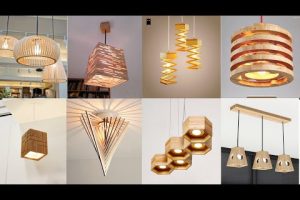
Choosing the perfect hanging kitchen light is one of the most impactful decisions you can make when designing or upgrading your cooking space. A well-selected suspended fixture does far more than simply illuminate your countertops—it sets the mood, defines the style, and becomes the visual centerpiece of the entire room. Whether you are remodeling a compact apartment kitchen or designing a sprawling open-concept culinary space, understanding how to select, size, install, and style your hanging kitchen light can transform an ordinary room into an extraordinary one. This guide covers everything from fundamental lighting principles to advanced styling strategies, giving you the knowledge to make confident decisions.
Why Your Kitchen Needs the Right Hanging Light
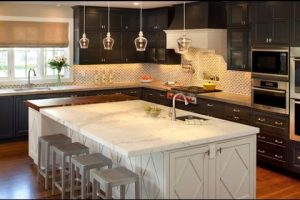
The kitchen is often called the heart of the home, and lighting plays a central role in how that heart beats. Proper illumination affects everything from food preparation safety to the ambiance of family gatherings. A hanging kitchen light positioned above a kitchen island or dining bar serves a dual purpose: it provides focused task lighting for chopping, cooking, and reading recipes while simultaneously anchoring the room’s visual design. Without adequate overhead light, kitchens can feel dim, cramped, and unwelcoming. Conversely, the right suspended fixture elevates the entire aesthetic, adding depth, warmth, and architectural interest that built-in ceiling lights simply cannot replicate.
Understanding Kitchen Lighting Layers
Professional designers think about kitchen lighting in layers, and a hanging fixture typically falls into one or two of these categories:
- Ambient lighting — The general overall illumination that fills the room. A hanging kitchen light can serve as your primary ambient source, especially in open-concept layouts.
- Task lighting — Focused light directed at specific work zones like countertops, stovetops, and sinks. Pendant lights hung at the correct height excel at this.
- Accent lighting — Supplementary light that highlights architectural features, artwork, or open shelving. Some hanging fixtures with directional shades contribute to this layer.
The most successful kitchen lighting designs combine all three layers, but the hanging fixture you choose will likely carry the heaviest aesthetic and functional weight.
Types of Hanging Kitchen Lights
Not all suspended fixtures are created equal. The market offers a wide variety of styles, each suited to different kitchen sizes, design aesthetics, and functional needs.
Pendants vs. Chandeliers vs. Linear Suspension Lights
Understanding the core categories helps you narrow your options quickly:
- Single pendants — A single light fixture hanging from a cord, chain, or rod. These are ideal for smaller kitchens, breakfast bars, and narrow islands. They provide concentrated light and come in virtually every style imaginable, from minimalist glass globes to rustic industrial shades.
- Multi-light pendants and chandeliers — Fixtures with two to five or more light sources clustered together. These make a bold statement above large islands or dining tables and work beautifully in traditional, transitional, and modern farmhouse kitchens.
- Linear suspension lights — Elongated fixtures that span a row of light sources. They are perfect for long countertops, galley kitchens, and oversized islands. Their clean lines suit contemporary and Scandinavian aesthetics particularly well.
Specialty Hanging Fixtures to Consider
Beyond the standard categories, consider these options that are gaining popularity:
- Bowl pendants — Rounded, globe-style shades that diffuse light evenly and add softness to modern kitchens.
- Tray pendants — Feature a recessed light compartment inside a decorative outer shade, offering a sleek, layered look.
- Edison-style filament bulbs in vintage housings — Popular for industrial and farmhouse kitchen aesthetics, these bring warm, amber-toned light and a nostalgic charm.
- Adjustable track-mounted pendants — Allow you to reposition lights as your needs change, making them excellent for multi-purpose kitchen spaces.
How to Choose the Right Size and Height
Sizing and placement are arguably the most critical factors when installing a hanging kitchen light. A fixture that is too small gets lost in the space, while one that is too large overwhelms the room. Here is a practical framework for getting the proportions right.
| Surface Below | Recommended Fixture Width | Recommended Mounting Height |
| Standard island (4–6 ft long) | 12–24 inches in diameter | 30–36 inches above countertop |
| Large island (7–9 ft long) | 24–36 inches in diameter | 30–36 inches above countertop |
| Breakfast bar or peninsula | 10–18 inches in diameter | 30–34 inches above countertop |
| Small galley kitchen | 8–14 inches in diameter | 72–84 inches from floor |
| Open-concept dining area | 24–48 inches in diameter | 30–36 inches above table surface |

For ceiling height, a good rule of thumb is to hang the fixture so the bottom of the shade sits approximately 30 to 36 inches above the countertop or table surface. In rooms with eight-foot ceilings, this keeps the light at a comfortable eye level. In kitchens with higher ceilings, you can adjust accordingly, but avoid hanging the fixture so high that it loses its functional purpose. The light should feel close enough to cast a warm pool of illumination directly where you need it most.
Best Materials and Finishes for Hanging Kitchen Lights
The material and finish of your suspended fixture influence both its durability and how well it integrates with your kitchen’s overall design. Here is a breakdown of popular options and their best use cases:
| Material / Finish | Best For | Durability | Style Match |
| Brushed brass or gold | Warm, inviting kitchens; pairs with wood tones | High — resists tarnish | Modern farmhouse, transitional |
| Matte black | Bold contemporary kitchens; hides fingerprints | High | Industrial, mid-century modern |
| Polished nickel | Sleek, reflective look; works with cool palettes | High | Modern minimalist, Scandinavian |
| Woven rattan or bamboo | Bohemian, tropical, or coastal kitchens | Moderate — keep dry | Coastal, boho, eclectic |
| Tempered glass | Easy to clean; diffuses light beautifully | Very high | Contemporary, traditional |
| Cast iron or wrought steel | Rustic, industrial, or farmhouse styles | Very high | Industrial, rustic, cottage |
When selecting a finish, consider the other metal hardware in your kitchen — cabinet pulls, faucet handles, and appliance finishes should coordinate. Mixing metals is now widely accepted in interior design, but maintaining a consistent undertone (warm or cool) keeps the space feeling cohesive rather than chaotic.
Installation Tips and Common Mistakes
While professional installation is always recommended for anyone uncomfortable working with electrical wiring, understanding the basics helps you communicate effectively with your electrician and avoid costly errors.
- Check your ceiling structure. The hanging kitchen light must be mounted to a joist or use a fan-rated brace if no joist is directly above. Lightweight fixtures may work with a simple ceiling box, but heavier multi-light pendants and chandeliers require reinforced support.
- Install a dimmer switch. This single upgrade dramatically increases the versatility of your pendant lighting, allowing you to shift from bright task lighting to a soft, ambient glow for evening entertaining.
- Plan your electrical box placement before cabinet installation. If you are in the middle of a kitchen remodel, coordinate the placement of your hanging fixtures with your cabinet layout to ensure the light lands exactly where you want it above the island or counter.
- Avoid common mistakes. Hanging the fixture too high is the number one error homeowners make. Another frequent mistake is choosing a fixture diameter that is too narrow for the surface below — as a general guideline, the fixture should be roughly one-third to one-half the width of the island or counter it illuminates.
Energy-Efficient Options and Smart Lighting Integration
Today’s hanging kitchen lights offer far more than just aesthetics. LED technology has revolutionized suspended fixtures, providing bright, high-quality illumination while consuming a fraction of the energy of traditional incandescent bulbs. Most modern hanging lights now come equipped with integrated LED arrays that last 25,000 hours or more, meaning you may never need to replace a bulb at all.
Smart lighting integration is another game-changer. Many suspended fixtures are now compatible with popular smart home ecosystems including Amazon Alexa, Google Home, and Apple HomeKit. This allows you to adjust brightness, change color temperature from warm to cool white, and even set lighting schedules from your smartphone. For families who cook at different times or entertain frequently, the ability to preset lighting scenes adds a layer of convenience that older fixtures simply cannot offer.
Styling Tips: Matching Your Hanging Light to Your Kitchen Décor
The hanging kitchen light you choose should feel like a natural extension of your kitchen’s design language, not an afterthought. Here are expert tips for achieving visual harmony:
- Match the scale to the room. In a small galley kitchen, a single petite pendant or a pair of mini pendants works better than a grand chandelier. In a large open kitchen, you can layer multiple fixtures for visual impact.
- Consider the ceiling height. If your kitchen has twelve-foot ceilings, a fixture with a longer chain or adjustable rod allows you to bring it down to a functional and visually pleasing height.
- Use the fixture to anchor the design. Let the style of your hanging light guide other design choices. A brass pendant suggests warm metallics in hardware and fixtures; a black linear light pairs beautifully with sleek, handleless cabinetry.
- Think about light temperature. Warm white light (2700K–3000K) creates a cozy, inviting atmosphere perfect for dining and entertaining. Cool white light (4000K) provides crisp, clear illumination ideal for food preparation and task work. Many modern fixtures offer both options through interchangeable bulbs or dual-temperature LED arrays.
Conclusion
A hanging kitchen light is far more than a functional necessity — it is a design statement that defines the character and functionality of your entire cooking space. By understanding the types of fixtures available, sizing them correctly for your surfaces, selecting materials that complement your décor, and following proper installation practices, you can create a kitchen that is both beautifully lit and visually stunning. Whether you gravitate toward the clean lines of a modern linear suspension, the warmth of a woven rattan pendant, or the bold presence of a multi-light chandelier, the right choice will serve your kitchen for years to come while elevating every meal and gathering you host in the space.
Frequently Asked Questions
What is the best hanging kitchen light for an island that is 6 feet long?

For a 6-foot island, a single pendant measuring approximately 18 to 24 inches in diameter is the sweet spot. If you prefer more even coverage, a linear suspension light spanning 36 to 48 inches or a cluster of three mini pendants evenly spaced will deliver balanced illumination across the entire surface.
How far should a hanging kitchen light be from the countertop?
The bottom of the fixture should hang approximately 30 to 36 inches above the countertop surface. This height provides sufficient clearance for comfortable food preparation while keeping the light close enough to cast effective task illumination directly onto the work area.
Can I install a hanging kitchen light in a kitchen with a vaulted or sloped ceiling?
Yes, but you will need a hanging kit with an adjustable downrod or a longer chain to ensure the fixture hangs level and at the correct height above your countertop. Some manufacturers sell canopy extenders or adjustable hardware specifically designed for angled ceilings, which makes installation significantly easier.
What bulb type is best for a hanging kitchen light?
LED bulbs are the best choice for most hanging kitchen lights. They are energy-efficient, long-lasting, and available in a range of color temperatures. For general kitchen use, a color temperature of 2700K to 3000K provides warm, inviting light, while 3500K to 4000K offers a crisper, more neutral tone ideal for task-heavy cooking areas. Always check the fixture’s maximum wattage and bulb base type before purchasing bulbs.
How many hanging lights do I need above a long kitchen island?
A good rule of thumb is to divide the island length by the fixture diameter and space them evenly with about 2 to 3 feet between each light. For a 9-foot island, three single pendants spaced 3 feet apart or one 48-inch linear suspension light will create a balanced, well-lit surface. The goal is even coverage without any dark spots where food preparation becomes difficult.