


Choosing the right automotive headlight bulbs is one of the most impactful upgrades you can make to your vehicle. Whether you are a daily commuter navigating foggy highways or a weekend road-tripper tackling unlit mountain passes, your headlight bulbs determine how well you see and how safely others can see you. Yet, most drivers purchase replacement bulbs based on price alone, without understanding the technology behind each option, the legal considerations, or the real-world performance differences between halogen, HID, LED, and newer laser-based lighting systems. This guide breaks down everything you need to know about automotive headlight bulbs so you can make an informed decision that enhances both visibility and safety on the road.
Understanding the Different Types of Automotive Headlight Bulbs
The automotive headlight bulb market has evolved dramatically over the past few decades. What once meant choosing between a standard yellowish halogen unit and a pricier upgrade has expanded into a diverse ecosystem of lighting technologies, each with distinct advantages and trade-offs.
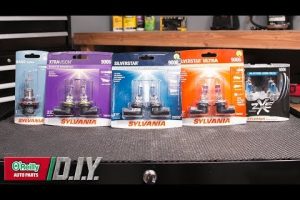
Halogen Headlight Bulbs
Halogen bulbs have been the default choice in the automotive industry for over fifty years. They work by passing an electric current through a tungsten filament enclosed in a halogen gas-filled glass envelope. The halogen gas creates a chemical reaction that redeposits evaporated tungsten back onto the filament, extending the bulb’s lifespan.
- Affordable and widely available
- Simple plug-and-play installation
- Warm, yellowish light (typically 3000K–3500K color temperature)
- Moderate brightness output, usually 700–1,200 lumens per bulb
- Average lifespan of 450–1,000 hours
While halogen bulbs are the budget-friendly standard, they produce significant heat and offer the lowest efficiency among modern options. If your vehicle came with halogens from the factory, upgrading to a higher-performing halogen bulb like an IR (infrared-reflective) version can squeeze out extra brightness without changing the entire lighting system.
HID (High-Intensity Discharge) / Xenon Headlight Bulbs
HID bulbs, often referred to as xenon bulbs, generate light by creating an electric arc between two electrodes inside a gas-filled quartz capsule. Unlike halogen bulbs that rely on a filament, HID bulbs have no moving parts that degrade, which contributes to their longer lifespan and significantly higher output.
- Produce 2,000–3,500 lumens per bulb, roughly three times a halogen
- Color temperature ranges from 3,000K (warm white) to 6,500K (cool blue-white)
- Lifespan of approximately 2,000–3,000 hours
- Require a ballast for proper voltage regulation
- Need a warm-up period to reach full brightness
HID bulbs deliver exceptional road illumination and are popular among drivers who frequently travel on dark rural roads. However, they demand a more complex installation process and can blind oncoming traffic if improperly aimed or retrofitted without projector lenses.
LED Headlight Bulbs
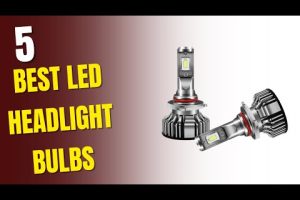
Light Emitting Diode (LED) headlight bulbs have surged in popularity due to their energy efficiency, instant-on capability, and long operational life. LEDs use semiconductor diodes to produce light with minimal heat waste, making them highly efficient compared to halogen and HID alternatives.
- Instant illumination with no warm-up delay
- Lifespan often exceeding 30,000 hours
- Energy consumption up to 75% lower than halogen
- Compact designs allow for creative housing integration
- Available in color temperatures from 4,000K to 6,500K
Modern LED bulb designs now incorporate advanced heat management systems, including aluminum heatsinks and active cooling fans, which address the thermal limitations that initially held LED technology back. For drivers seeking a reliable, low-maintenance upgrade, LED headlight bulbs represent one of the strongest options on the market today.
Laser Headlight Bulbs
Laser-assisted lighting represents the cutting edge of automotive illumination. Instead of producing light directly, lasers excite a phosphor coating that emits a bright, highly focused beam. This technology is found primarily in premium luxury and electric vehicles like high-end BMWs, Audis, and Mercedes-Benz models.
- Extremely focused and long-range beam pattern
- High color rendering index for better object recognition
- Compact size allows for sleek headlight housing designs
- Significantly more expensive than other bulb types
- Typically integrated into OEM adaptive lighting systems
While laser headlights are not yet a practical aftermarket replacement for most vehicles, understanding the technology helps contextualize where automotive lighting is heading and why OEM manufacturers invest so heavily in it.
How to Choose the Right Headlight Bulb for Your Vehicle
Selecting the correct headlight bulb goes far beyond picking the brightest option on a shelf. Several factors determine compatibility and performance, and ignoring even one can lead to poor beam patterns, legal issues, or premature bulb failure.
Check Your Vehicle’s Socket Type and Base
Every vehicle uses a specific bulb base and socket configuration. Common sizes include H1, H4, H7, H11, 9005, 9006, D1S, D2S, and 9012. Using the wrong size will prevent the bulb from fitting or making proper electrical contact. Always consult your vehicle’s owner manual or an online bulb compatibility guide before purchasing.
Consider Beam Pattern and Housing Compatibility
A bulb’s brightness means nothing if the beam pattern is scattered or misaligned. Projector housings focus the light into a sharp cutoff line, while reflector housings distribute light more broadly. Retrofitting an HID bulb into a reflector housing designed for halogen often creates dangerous glare for other drivers and may fail vehicle inspections.
Evaluate Brightness and Color Temperature
Lumens measure raw brightness, but color temperature (measured in Kelvin) affects how the light interacts with weather conditions. Lower color temperatures (3,000K–4,000K) produce a warm yellowish-white light that cuts through fog and rain more effectively. Higher color temperatures (5,000K–6,500K) appear brighter to the human eye in clear conditions but scatter more in adverse weather.
| Bulb Type | Average Lumens | Color Temp Range | Lifespan (Hours) | Installation Difficulty |
| Halogen | 700–1,200 | 3,000K–3,500K | 450–1,000 | Easy |
| HID / Xenon | 2,000–3,500 | 3,000K–6,500K | 2,000–3,000 | Moderate |
| LED | 2,500–6,000 | 4,000K–6,500K | 30,000+ | Moderate |
| Laser (OEM) | 5,000–6,000+ | 5,500K–6,000K | 30,000+ | Factory Integrated |
Installation Tips and Common Mistakes
Installing automotive headlight bulbs is a task most DIY enthusiasts can handle in under thirty minutes per side, but small mistakes can compromise performance and safety.
- Always wear gloves when handling halogen and HID bulbs. Oils from your skin deposit on the glass envelope and create hot spots that dramatically shorten bulb life.
- Never touch the glass portion of an LED bulb with bare hands. Finger oils can cause uneven heat distribution and reduce LED efficiency.
- Re-aim your headlights after any bulb replacement. Even slight shifts during installation can alter the beam pattern and blind oncoming traffic.
- Verify that your vehicle’s CAN-bus system is compatible with your new bulb type. LED and HID bulbs can trigger error messages on modern vehicles without proper CAN-bus decoders or resistors.
- Test the bulb before closing the housing. Moisture, misalignment, or a faulty connection becomes much harder to fix once the assembly is sealed back in place.
Legal Considerations and DOT Compliance
Before swapping out your headlight bulbs, understand that lighting regulations vary by jurisdiction. In the United States, the Department of Transportation (DOT) sets Federal Motor Vehicle Safety Standards that govern headlight performance, beam patterns, and color temperature. Aftermarket LED and HID retrofit kits often do not carry DOT certification, meaning they are technically illegal for road use on public highways in many states. While enforcement varies, drivers should research local laws to avoid citations or failed inspections. The safest approach is to purchase bulbs and kits that carry E-mark or DOT certification and that are specifically designed for your vehicle’s housing type.
Expert Recommendations for 2024 and Beyond
If you want the best balance of brightness, durability, and ease of installation, LED headlight bulbs currently represent the sweet spot for most aftermarket upgrades. Brands like Philips, Osram, and Auxito have refined their LED offerings to deliver impressive lumen output while maintaining proper beam patterns. For drivers who prefer the tried-and-true approach, a high-quality halogen bulb with an IR reflective coating remains a reliable and affordable choice. HID kits are best reserved for vehicles with projector housings and those who are willing to invest time in proper installation and alignment.
When shopping, prioritize bulbs that include built-in cooling fans or passive heatsinks rated for continuous operation. Thermal management is the single biggest factor in LED bulb longevity, and a bulb that overheats will dim, fail prematurely, or even damage the vehicle’s electrical system.

Frequently Asked Questions
What is the brightest automotive headlight bulb available for aftermarket use?
LED headlight bulbs currently dominate the brightness category, with premium models delivering over 6,000 lumens per pair. However, raw lumen numbers do not tell the full story. A bulb’s actual road visibility depends on beam pattern quality, housing compatibility, and color temperature. The brightest bulb is useless if it creates a scattered pattern or excessive glare for oncoming drivers.
Can I replace halogen bulbs with LED bulbs without changing the headlight housing?
In many cases, yes, but the results vary significantly depending on the housing design. Retroreflector housings designed for halogen filaments may produce poor beam patterns with LED bulbs because the LED chip’s point-source light behaves differently than a halogen filament’s spread light. Projector housings generally accept LED bulbs more effectively and maintain a clean cutoff line.

Are HID headlight bulbs still worth installing in modern vehicles?
HID bulbs still offer excellent performance, particularly for vehicles originally equipped with factory HID systems. However, retrofitting HID kits into halogen housings is strongly discouraged due to glare and poor beam patterns. LED bulbs have largely overtaken HID in the aftermarket space because of easier installation, instant-on operation, and lower maintenance requirements.
What color temperature is best for driving in fog and rain?
Color temperatures between 3,000K and 4,300K produce a warm white to neutral white light that performs best in adverse weather. Lower color temperatures cut through moisture and fog particles more effectively because they scatter less than higher Kelvin outputs. Bulbs rated at 5,000K and above may look appealing but tend to create more glare and reduced visibility in rain, fog, and snow.
How long do automotive headlight bulbs typically last?
Lifespan varies significantly by bulb type. Halogen bulbs last between 450 and 1,000 hours, HID bulbs between 2,000 and 3,000 hours, and LED bulbs can exceed 30,000 hours under optimal conditions. Actual lifespan depends on driving conditions, voltage stability, heat management, and the quality of the bulb’s internal components.
Do LED headlight bulbs require a CAN-bus decoder or resistor?
Many modern vehicles equipped with CAN-bus diagnostic systems will display error messages or flickering headlights when a standard LED bulb is installed. A CAN-bus decoder or resistor corrects the wattage draw difference and ensures the vehicle’s computer recognizes the bulb as functioning properly. Always check compatibility notes for your specific vehicle before purchasing LED headlight bulbs.
Conclusion
Automotive headlight bulbs are far more than simple replacement parts — they are a critical safety component that directly affects your visibility and the safety of everyone sharing the road with you. Understanding the differences between halogen, HID, LED, and laser technologies empowers you to make a purchase that genuinely improves your driving experience. By considering compatibility, legal compliance, beam pattern, and real-world performance, you can choose headlight bulbs that deliver maximum value and reliability for years to come.