


There is something timeless about a classic desk lamp that instantly elevates the atmosphere of any workspace. Whether you are furnishing a home office, restoring a vintage study, or simply searching for a lighting solution that balances form and function, the classic desk lamp remains one of the most enduring design pieces in interior history. Unlike modern minimalist task lights or trendy LED strips, the classic desk lamp carries decades — sometimes centuries — of design heritage, craftsmanship, and cultural significance. In this comprehensive guide, we will explore everything you need to know about selecting, styling, and maintaining a classic desk lamp, from the iconic banker’s lamp to mid-century articulating designs and Edwardian writing lights.

What Is a Classic Desk Lamp?
A classic desk lamp refers to a table-mounted lighting fixture characterized by traditional design elements, durable construction materials, and a focus on functional illumination. These lamps are typically recognized by their warm metal finishes, glass or fabric shades, adjustable arms or swivel heads, and timeless silhouettes that transcend passing interior design trends. The term encompasses a broad range of styles including Art Deco banker’s lamps, mid-century modern swinging-arm lights, and traditional brass reading lamps that have graced desks since the late 19th century. What distinguishes a classic desk lamp from ordinary task lighting is its dual role as both a practical tool and a decorative statement piece.
History and Evolution of the Classic Desk Lamp
The history of the classic desk lamp is deeply intertwined with the evolution of modern work culture, industrial design, and architectural movements. Understanding this background helps you appreciate why these lamps continue to hold such a prominent place in homes and offices today.
Early Origins and Design Movements
The earliest precursors to the classic desk lamp emerged in the late 1800s, coinciding with the expansion of white-collar professions and the rise of home-based reading and writing. Gas-lit offices gave way to electric lighting, and manufacturers responded by creating portable, adjustable lamps designed specifically for desk use. The Art Nouveau movement introduced organic, flowing forms, while the Art Deco period of the 1920s and 1930s brought geometric elegance, polished chrome, and vibrant stained-glass shades into the spotlight. The banker’s lamp, with its distinctive green glass shade and brass body, became a symbol of professionalism and literary culture almost overnight. By the mid-20th century, Scandinavian and Bauhaus designers revolutionized the classic desk lamp by stripping away ornamentation in favor of clean lines, functional articulating arms, and materials like steel, bakelite, and frosted glass. Each era contributed design principles that continue to influence modern interpretations of the classic desk lamp today.
Types of Classic Desk Lamps
Not all classic desk lamps are created equal. Different styles serve different purposes, and understanding the major categories will help you make an informed choice based on your workspace needs and aesthetic preferences.
Banker’s Lamps
The banker’s lamp — also known as the Green Shade lamp or Emeralite — is arguably the most recognized classic desk lamp in the world. Originally patented in the early 1900s, it features a green glass globe shade, a brass or chrome body, and a sturdy base. Its warm, diffused light was specifically engineered to reduce eye strain during long hours of reading ledgers and documents. Today, the banker’s lamp remains popular among writers, attorneys, and anyone who values a touch of old-world sophistication on their desk.
Swinging-Arm and Articulating Lamps

Popularized by designers like Jacques Adnet and Félix Aublet in the 1940s and 1950s, swinging-arm desk lamps offer exceptional flexibility. These lamps feature hinged or jointed arms that can be repositioned to direct light exactly where it is needed. They are particularly well-suited for drafting tables, artist workstations, and modern home offices where adjustable task lighting is essential.
Torchière and Three-Position Reading Lamps
The three-position desk lamp, sometimes called a torchère or library lamp, allows the user to adjust the lamp head to multiple angles — typically downlight, uplight, or ambient. These lamps often feature tall stems and drum or cone-shaped shades, making them ideal for large desks, study rooms, and library corners.
Mid-Century Modern Desk Lamps
Inspired by the design philosophies of the 1950s and 1960s, mid-century modern classic desk lamps emphasize sculptural form, tapered bases, and cone or half-dome shades. Materials like brushed aluminum, walnut wood, and terrazzo are hallmarks of this category. Brands like Stilnovo and Nelson Associates produced pieces that are now considered collector’s items.
Key Features to Look for in a Classic Desk Lamp
When shopping for a classic desk lamp, several functional and aesthetic features deserve your close attention. Not every lamp labeled “classic” delivers the quality and performance you expect, so knowing what to evaluate is essential.
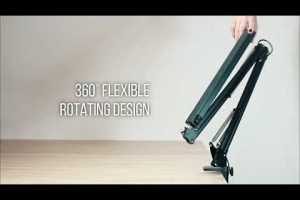
- Adjustability: Look for lamps with flexible necks, rotating heads, or gooseneck designs that allow you to direct light precisely onto your work surface without creating harsh shadows.
- Material Quality: Authentic classic desk lamps are built with solid brass, copper, cast iron, hardwood, or high-grade steel. Avoid thin, hollow-feeling bases or plastic components that compromise durability.
- Shade Design: The shade affects both light distribution and visual appeal. Glass shades provide focused illumination, fabric shades offer softer diffusion, and metal drum shades create a balanced ambient-to-task light ratio.
- Bulb Compatibility: Many classic desk lamps accommodate standard Edison-style bulbs, warm LED filaments, or dimmable CFLs. Check the maximum wattage rating before purchasing bulbs.
- Base Stability: A well-weighted base prevents tipping and absorbs the weight of an extended arm. Heavy cast iron or brass bases are preferred for long-term stability.
- Finish and Patina: Vintage or retro-finish lamps often feature antique brass, oxidized copper, or polished chrome finishes that develop a unique character over time.
Classic Desk Lamp vs. Modern Desk Lamp: A Comparison
Understanding the differences between a classic desk lamp and a contemporary LED desk lamp helps you determine which option best suits your needs. The table below highlights key distinctions.
| Feature | Classic Desk Lamp | Modern LED Desk Lamp |
| Design Aesthetic | Traditional, ornate, heritage-inspired | Sleek, minimalist, futuristic |
| Materials | Brass, copper, glass, wood, ceramic | Plastic, aluminum, ABS polymer |
| Light Source | Incandescent, Edison LED filament | Integrated LED panels, chips |
| Adjustability | Manual, mechanical joints | Often touch-sensitive, auto-dimming |
| Dimmability | Requires separate dimmer switch | Built-in touch dimmer or remote |
| Energy Efficiency | Lower (incandescent) to moderate (LED filament) | High (80–90% energy savings) |
| Durability | Excellent (decades of lifespan with maintenance) | Good (LED lifespan of 25,000–50,000 hours) |
| Collector Value | High (vintage and limited editions) | Low (functional, not collectible) |

How to Choose the Perfect Classic Desk Lamp
Selecting the right classic desk lamp depends on several factors, including the size of your desk, your primary tasks, the room’s decor style, and your budget. Here is a practical framework to guide your decision.
- Measure Your Desk Space: A large banker’s lamp may overwhelm a small writing desk, while a compact gooseneck lamp may get lost on a sprawling executive workspace. Always measure before purchasing.
- Match Your Decor Style: Pair an Art Deco banker’s lamp with a mahogany library; choose a mid-century modern lamp for a Scandinavian-inspired workspace; and use a traditional brass lamp in classic or Victorian interiors.
- Consider Your Lighting Needs: If you spend long hours reading or writing, prioritize lamps with adjustable necks and warm-toned bulbs. For craft or design work, look for lamps with a higher color rendering index (CRI) to ensure accurate color perception.
- Set a Realistic Budget: Authentic vintage classic desk lamps can range from $50 for restored models to over $500 for rare collector’s pieces. Reproductions and new retro-style lamps offer excellent quality at more accessible price points, typically between $60 and $200.
- Test the Mechanism: If buying in person, test the lamp’s arm movement, switch operation, and shade stability. A well-engineered classic desk lamp should feel smooth and secure in every position.
Expert Tips for Styling and Placement
Placement and styling can make or break the visual impact of a classic desk lamp. Keep these expert recommendations in mind to maximize both function and aesthetics.
- Position the lamp on the opposite side of your dominant hand to minimize shadows on your work surface.
- Place the lamp at a height where the shade bottom sits at or just below eye level when seated.
- Use the lamp as a focal accent piece — let it stand out against a neutral desk or bookshelf rather than competing with other decorative objects.
- Pair a brass-finish lamp with warm wood tones and leather accessories for a cohesive traditional look.
- Consider adding a smart-compatible plug or dimmer module to a vintage lamp for modern convenience without sacrificing its classic appearance.
Maintenance and Care Tips
A well-maintained classic desk lamp can last for generations. Regular care preserves both its appearance and its functionality over time.
- Dust metal and glass components weekly with a soft microfiber cloth to prevent buildup and tarnish.
- For brass or copper finishes, use a dedicated metal polish sparingly to maintain the desired patina or restore shine.
- Replace bulbs promptly when they flicker or dim, and always use bulbs within the recommended wattage range.
- Check wire connections and plug insulation annually, especially with lamps over 30 years old, to ensure electrical safety.
- Store replacement shades and parts in a labeled container so you can quickly repair or restore the lamp if needed.
Frequently Asked Questions
What is the best classic desk lamp for a small study or home office?
The compact banker’s lamp or a small swinging-arm Art Deco lamp is ideal for smaller desks. These designs provide ample task lighting without consuming excessive surface area. Look for models with a base footprint under 6 inches in diameter to keep your workspace uncluttered.
Can I use a modern LED bulb in a vintage classic desk lamp?
Absolutely. LED filament bulbs are specifically designed to mimic the warm glow and vintage appearance of traditional incandescent bulbs while offering dramatically improved energy efficiency and lifespan. Ensure the bulb’s base (typically E26 or B22) matches your lamp’s socket type and that the wattage rating is within safe limits.
How do I identify an authentic vintage classic desk lamp from a reproduction?
Authentic vintage lamps often feature manufacturer markings on the base, specific weight signatures from solid metal construction, and period-appropriate wiring. Check for patent numbers, brand logos, and the quality of the glass shade. Reproductions may lack these details or use lighter materials. Consulting antique lighting dealers or collector forums can also help verify authenticity.
What color temperature is best for a classic desk lamp used for reading?
Warm white light in the range of 2700K to 3000K is ideal for reading and writing in a classic desk lamp setting. This range mimics the soft, warm glow of traditional incandescent bulbs and reduces eye fatigue during extended reading sessions. Avoid cool white or daylight bulbs, as they can create a harsh, clinical atmosphere that undermines the lamp’s classic aesthetic.
Are classic desk lamps worth the investment compared to modern LED desk lamps?
Yes, if you value design heritage, craftsmanship, and the unique character that a well-made classic desk lamp brings to a space. While modern LED desk lamps excel in energy efficiency and smart features, classic desk lamps offer irreplaceable aesthetic appeal, durability, and often increase in value over time. For many enthusiasts, the choice is not either/or — they incorporate both styles to achieve the perfect balance of tradition and technology.
Final Thoughts
The classic desk lamp is far more than a functional accessory — it is a window into design history, a statement of personal taste, and a reliable companion for work, study, and creative pursuits. Whether you gravitate toward the polished elegance of a banker’s lamp, the sculptural lines of a mid-century articulating fixture, or the refined simplicity of a traditional brass reading light, investing in a quality classic desk lamp pays dividends in both ambiance and usability. By understanding the different types, key features, and care requirements outlined in this guide, you are well-equipped to find a lamp that not only illuminates your workspace but also becomes a cherished piece of your environment for years to come.